
The F1 2026 Grid: A New Era of Race Starts
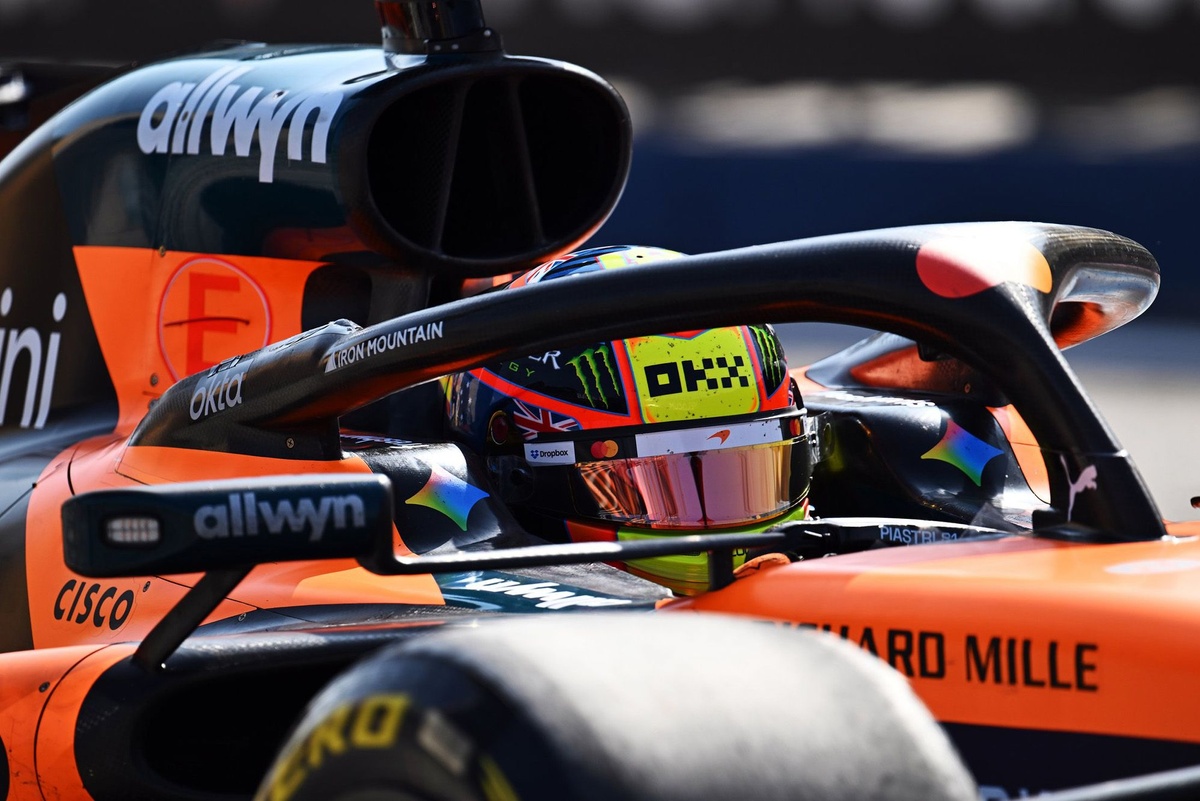
Get ready for a potentially chaotic opening lap in Formula 1's 2026 season, as McLaren ace Oscar Piastri warns that a botched start could cost drivers a staggering 'seven spots' – a scenario he likens to the high-stakes world of F2.
Key Takeaways from F1 2026 Start Debacle:
- F1 2026 race starts are drastically more complex due to MGU-H removal.
- Drivers must precisely rev engines for 10 seconds to avoid anti-stall or sluggish getaways.
- Oscar Piastri forecasts potential losses of up to "seven spots" from a single poor start.
- Safety and competitive balance tweaks are deemed "imperative" by McLaren and others.
The F1 2026 Grid: A High-Stakes Opening Gambit
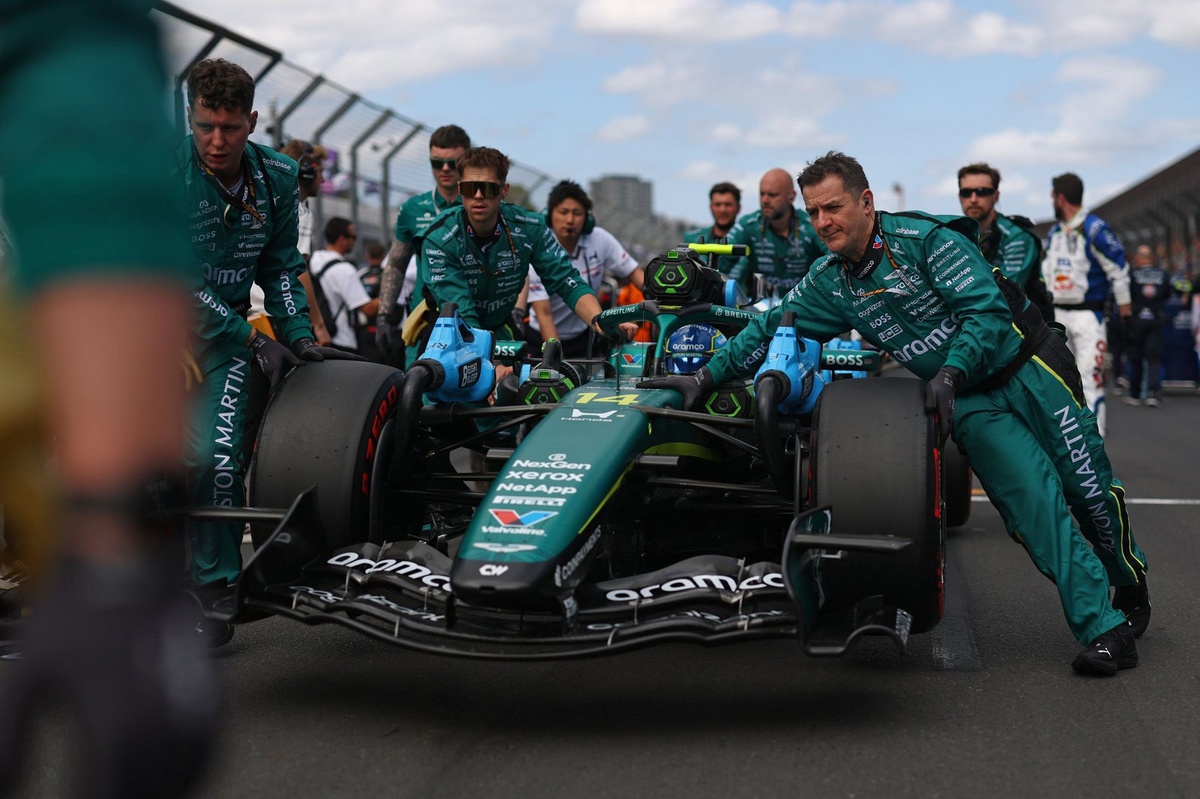
The roar of the engines on the grid has always been an adrenaline rush, but F1 2026 is set to redefine the term 'high stakes'. With radical new regulations looming, the simple act of launching a car off the line has become an intricate, perilous dance that could reshape races from the very first meter.
Why the Chaos? Understanding the MGU-H Removal
At the heart of this new challenge is the removal of the MGU-H component. This technical overhaul means drivers can no longer rely on its assistance for smooth power delivery off the line. Instead, they must rev their engines for a minimum of 10 seconds to spool up the turbo, a process that demands pinpoint accuracy.
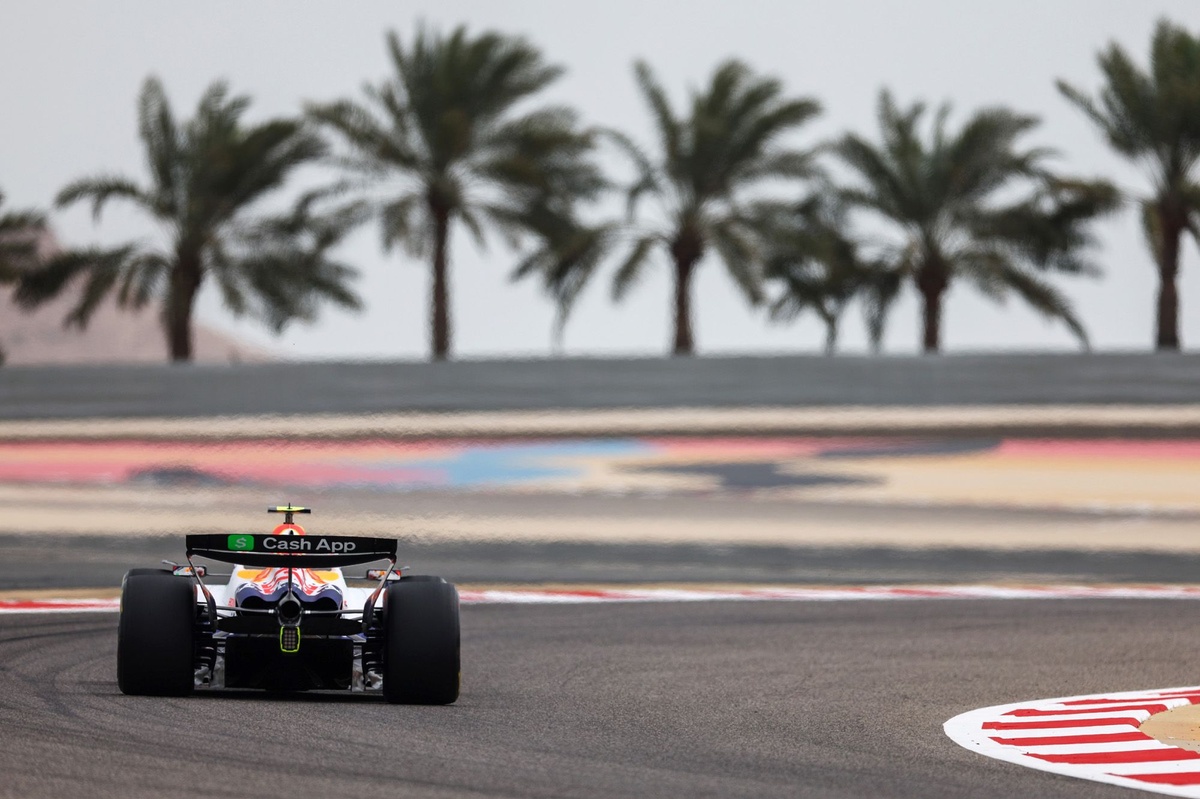
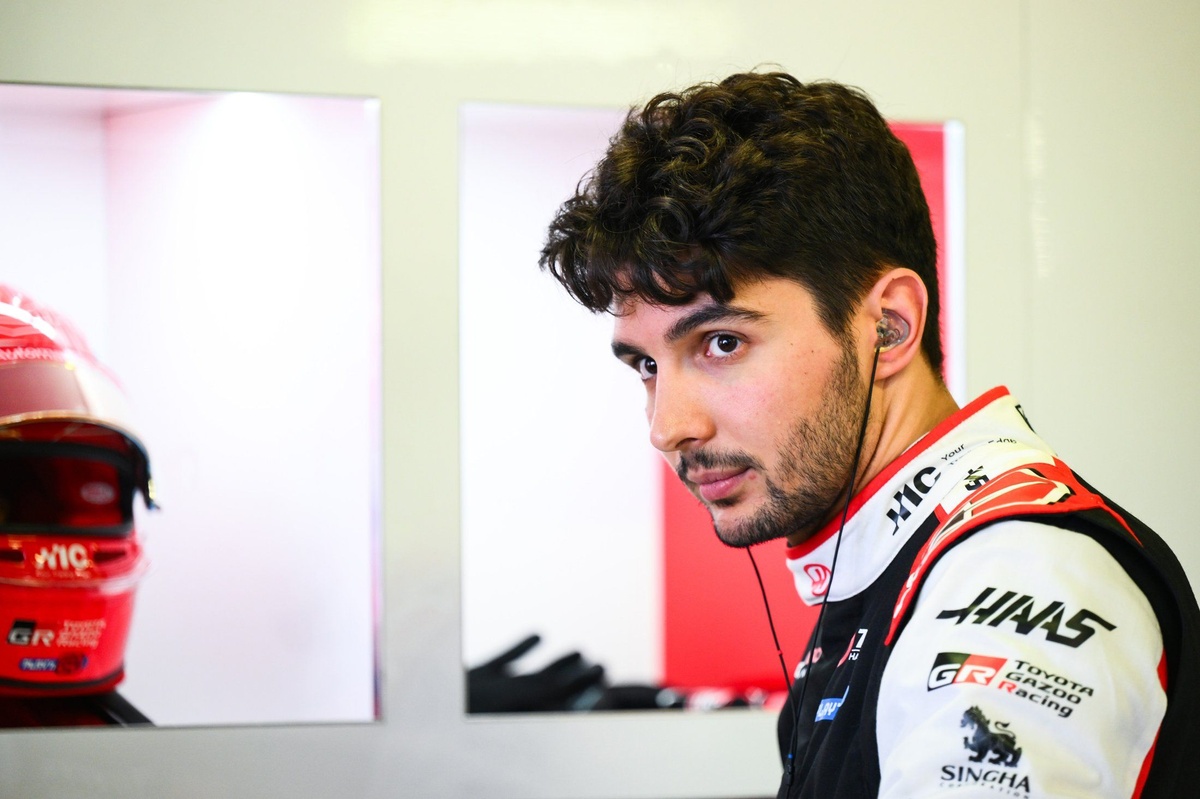
Timing this sequence incorrectly could result in a crippling slow getaway or, worse, pitching the car into anti-stall. We've already seen glimpses of this difficulty, with Franco Colapinto nearly spinning into the pitwall during Bahrain testing – a clear indicator that these new starts are far from seamless.
Piastri's Stark Warning: Seven Places in the Balance
Oscar Piastri pulls no punches regarding the learning curve. "Everyone's going to need different things for the start, and to be completely honest with you, I'm not sure any of us know exactly what we need yet," he stated. He emphasizes that the stakes are dramatically higher than before.
"The difference between a good and bad start last year was you got a bit of wheelspin or you had a bad reaction time. This year it could be effectively like an F2 race where you almost go into anti-stall or something. You're not just losing five meters or so, you could be losing six or seven spots if it goes wrong."
Beyond the Start Line: Overtaking and Safety Under Scrutiny
The concerns extend beyond the opening meters. McLaren boss Andrea Stella has already called for "imperative" safety tweaks to the 2026 start procedures, a sentiment echoed by Piastri. The current rules could even disadvantage drivers at the back of the grid, who might not get the crucial 10 seconds needed to ready their turbos.
Overtaking is also set for a major shake-up. The simple DRS advantage will be replaced by an "energy boost" system, requiring drivers to harvest and deploy energy strategically. This new dynamic presents its own set of optimization challenges for teams and engine manufacturers, promising a very different racing spectacle.
F1 Commission Steps Up: Crucial Discussions Loom
Thankfully, the gravity of these issues has not gone unnoticed. The F1 Commission meeting during the second Bahrain test is set to be a hotbed of discussion, with these critical topics at the top of the agenda. With the Australian Grand Prix in Melbourne just weeks away, timely solutions are paramount to ensure both safety and competitive fairness in F1 2026.