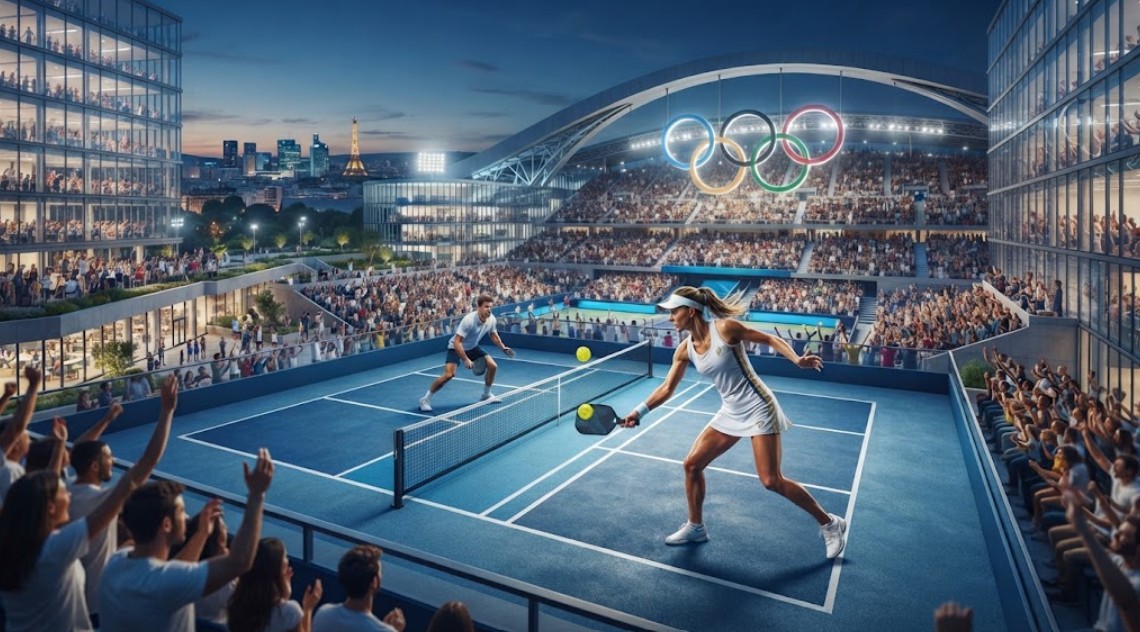

The roar of the crowd, the shine of a medal, the ultimate global stage – the Olympics beckon for pickleball, but the path isn't just about athletic prowess; it's a bureaucratic marathon demanding absolute unity and impeccable governance.
Key Points for Pickleball's Olympic Journey
- Olympic Recognition: The IOC mandates a single, globally recognized International Federation (IF) per sport, and one National Federation (NF) per country.
- Three Pathways: Pickleball can pursue Olympic status via unification, through the AIMS/ARISF sports recognition pathway, or as a discipline under an existing Olympic IF.
- Unification's Challenges: Merging rival federations is complex, involving leadership changes, rulebook alignment, and potential loss of local organizations.
- Strict Criteria: Any aspiring Olympic IF must demonstrate robust governance, WADA compliance, a global competition calendar, youth development, and significant global reach (75 men's, 40 women's NFs).
The Unifying Vision: Why One Body Rules Them All
Before pickleball can even dream of Olympic glory, it must navigate a fundamental truth: the International Olympic Committee (IOC) recognizes only one global governing body for each sport. This isn't just a guideline; it's the bedrock principle.
Similarly, each nation can have only one recognized National Federation (NF) serving as the official voice for the sport domestically. This singular structure ensures consistency, accountability, and a clear point of contact for the IOC. Without it, the Olympic push stalls before it even begins.
Navigating the Olympic Labyrinth: Three Paths to Glory
The journey to the Olympics isn't a straight line. According to the Global Pickleball Federation (GPF), there are three distinct avenues pickleball can explore, each with its own set of demands and hurdles.
Path 1: The Direct Merger - One Voice, One Goal
The most direct route involves rival international pickleball federations consolidating into a single, unified global entity. This new body must adhere to the IOC's stringent Olympic Charter standards, covering robust governance, WADA anti-doping compliance, genuine global reach, and transparent statutes. While unification provides invaluable clarity and a singular voice, it's crucial to understand it doesn't automatically guarantee Olympic recognition; the IOC still makes its own independent judgment.
Path 2: The Established Route - AIMS & ARISF
Many new sports find their way to Olympic consideration through the Alliance of Independent Recognised Members of Sport (AIMS) and the Association of IOC Recognised International Sports Federations (ARISF). To even qualify for AIMS, a federation needs strong governance, WADA compliance, a genuine global competition schedule, and, critically, a minimum of 60 National Federations spread across at least three continents. Each of these NFs must, in turn, meet their own high standards of governance. Progression through AIMS to ARISF sets the stage for potential IOC recognition.
Path 3: Under an Umbrella - Discipline Integration
A rarer, but still viable, option is for pickleball to become a discipline within an already Olympic-recognized sport. Imagine pickleball nestled under the umbrella of badminton, table tennis, or tennis, much like skateboarding falls under World Skate. This path would still necessitate clearing the same high bars for governance and global universality as the other two routes. Regardless of the chosen entry point, the ultimate destination remains unwavering: one fully IOC-compliant International Federation.
The Unification Hurdle: More Than Just Merging Names
While unification sounds like a silver bullet, its practical implementation is fraught with complexity. Rivalries aren't easily dissolved. Countries currently hosting multiple competing pickleball organizations may see one entirely superseded by IOC criteria. Leaders of merging federations could face significant changes in their roles or even lose positions. Harmonizing disparate rulebooks, ranking systems, and administrative structures across various regions demands immense time and cooperation. There's also the very human element: one side might feel absorbed rather than genuinely represented in the new unified body. These are common challenges in sports consolidation, but they inevitably slow the Olympic timeline.
The Olympic Gauntlet: What It Really Takes to Qualify
Assuming pickleball achieves unification, the resulting International Federation still faces a rigorous checklist from the IOC. This includes maintaining robust governance, implementing a single, universally accepted rulebook, establishing a consistent international event calendar, proving genuine youth development programs, and ensuring unwavering WADA compliance. Crucially, the IOC demands significant global reach: active National Federations in at least 75 countries for men's competition and 40 countries for women's. This isn't just about casual participation; it's about genuine Olympic-level readiness across the globe.
At the national level, the standards tighten further. Each NF under the recognized IF must be the sole official federation in its country, boasting transparent governance, proper statutes, formal recognition from its national Ministry of Sport or National Olympic Committee, and a demonstrable track record of running national events and development initiatives. If a country has competing pickleball organizations, the unified IF must make a definitive choice, prioritizing good governance, democratic elections, financial transparency, national reach, and adherence to the Olympic Charter.
The Road Ahead: Clarity Amidst Competition
Despite the emergence of new international federations, the fundamental equation remains unchanged. Any body aspiring to Olympic status must clear the identical IOC criteria: governance, WADA compliance, the challenging 75/40 universality benchmark, proper statutes, and a global calendar. Fragmentation only serves to slow the sport's Olympic aspirations. The GPF acknowledges these complexities, affirming its commitment to exploring all viable pathways that best serve its member nations and the broader goal of pickleball's global expansion.
Pickleball has undeniably proven its explosive popularity and capacity to captivate fans worldwide. The next, and arguably most critical, challenge is to demonstrate it can govern itself with the structure, integrity, and global unity demanded by the grandest stage in international sports.