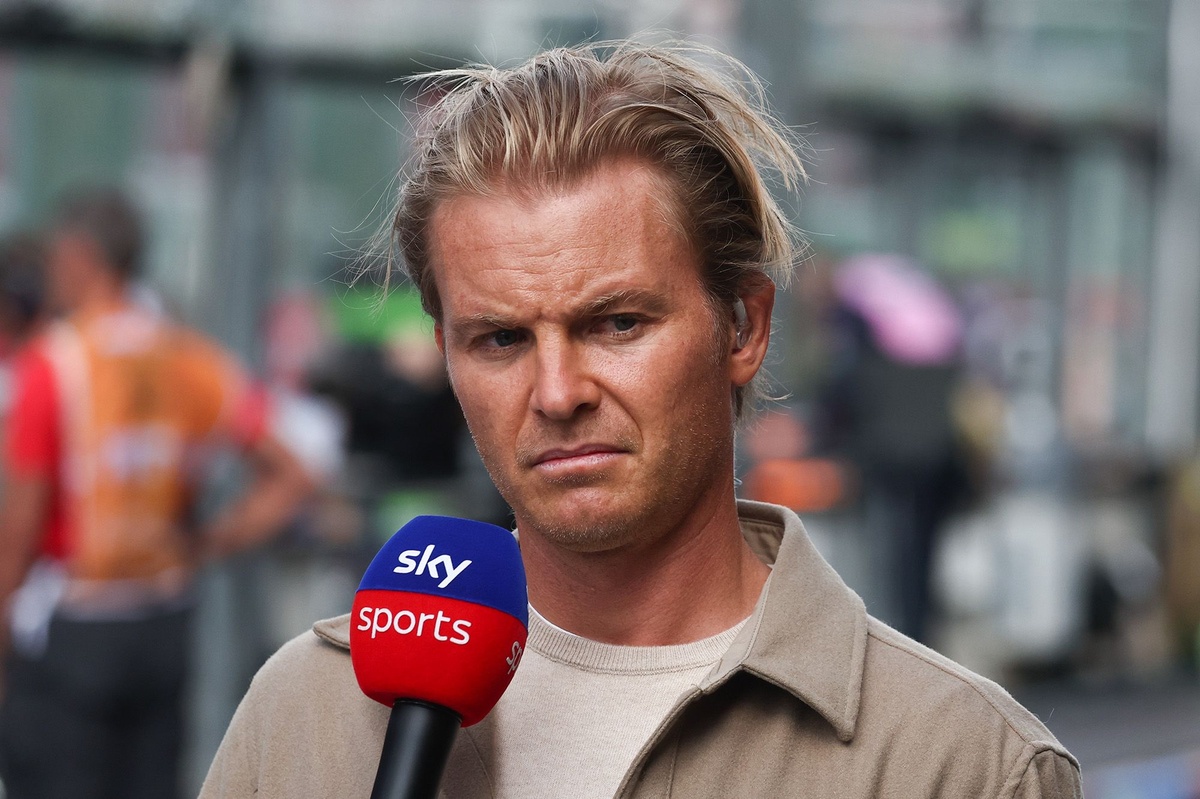

Forget the hand-wringing and "Mario Kart" comparisons; Nico Rosberg believes the upcoming 2026 Formula 1 regulations will ultimately deliver the thrilling spectacle fans crave. The 2016 F1 world champion is downplaying widespread driver concerns, emphasizing that compelling on-track battles will always trump technical intricacies for spectator appeal.
Key Points on F1's 2026 Shift:
- Rosberg's Optimism: The F1 champion is confident fans will embrace the new era if racing remains competitive.
- Tech Focus: The 2026 regulations introduce a 50:50 internal combustion and electric power split, alongside CO2-neutral fuels.
- Driver Concerns: Stars like Max Verstappen have voiced skepticism, comparing the changes to "Formula E on steroids."
- Battle-Centric View: Rosberg argues that close racing and intense rivalries are the ultimate drivers of fan engagement.
The Bold New Horizon: F1's 2026 Technical Revolution
The 2026 Formula 1 season promises a radical overhaul, ushering in an era defined by a significant shift in power unit philosophy. The new technical blueprint mandates an almost 50:50 split between internal combustion and electric power, a bold move towards greater sustainability and technological relevance. Beyond the engine, fans can expect smaller, lighter cars, equipped with innovative active aerodynamics, designed to enhance both speed and racing dynamics. Crucially, features like an "Overtake Mode" and a "boost button" aim to inject more strategic depth and excitement into every lap.
Power Units: Hybrid Evolution and Green Ambitions
Central to the 2026 regulations is the commitment to CO2-neutral fuels. This eco-conscious pivot sees Formula 1 aligning with broader societal goals, pursuing technology directly relevant to the automotive industry's future. Rosberg highlighted this, stating, "F1 is pursuing the technology that is most relevant to society, so this power unit is probably one of the most efficient there is in the world."
Driver Backlash: Verstappen's "Formula E on Steroids" Jibe
Despite the forward-thinking vision, not all figures within the paddock share Rosberg's relaxed outlook. Reigning four-time champion Max Verstappen famously described the 2026 rules as "Formula E on steroids," a sentiment echoed by others who likened the potential racing dynamics to a game of Mario Kart. These criticisms primarily revolve around the complex new energy harvesting and deployment systems.
The Awkward Power Delivery Dilemma
One of the most frequently cited concerns from drivers involves the peculiar power delivery. Rosberg himself acknowledged the awkwardness: "You can see at the last race, they go down the straight, sort of flat out bend, and have to downshift after the bend, whilst they're still on the straight, because their battery power switches off." This scenario, where cars aren't truly "flat out" on straights, presents a significant challenge to the traditional image of high-performance F1 racing.
Rosberg's Rebuttal: Why Raw Competition Matters Most
Despite these valid technical concerns, Nico Rosberg remains unfazed. His core argument is refreshingly simple: if the racing is good, the fans will follow. He believes that intra-team rivalries and fierce battles between different constructors will ultimately override any spectator discomfort regarding the new power unit characteristics.
The Thrill of the Fight: Overriding Technical Nuances
"From my point of view, as long as there are great battles, intra-team, and the other teams in the battle," Rosberg explained, "then I think all the fans won't mind what the technology is, and will just love and appreciate the racing and the battles." This "fan-first" philosophy suggests that close championship fights and unpredictable race outcomes are the true currency of Formula 1's appeal. The former Mercedes driver hopes to see teams like Ferrari and McLaren close the gap, creating multi-team contests.
A Glimpse of the Future: Kimi Antonelli's Inspirational Run
Reinforcing his point about compelling narratives, Rosberg points to the current season's breakout star, Kimi Antonelli. The 19-year-old Mercedes talent has astonished the paddock by leading the championship after just three races, becoming the youngest driver ever to top the standings. "And what an amazing story we have, 19-year-old Kimi Antonelli, the ultimate underdog, is leading this world championship, three races in," Rosberg enthused. This unexpected rise is a testament to how captivating an underdog story can be, proving that engaging personalities and surprising results can grab fan attention, irrespective of underlying technical debates.
Ultimately, Nico Rosberg's message is one of cautious optimism. While the 2026 regulations bring significant technical hurdles, he believes the sport's innate ability to deliver breathtaking competition and legendary battles will ensure its continued success and fan loyalty.


