
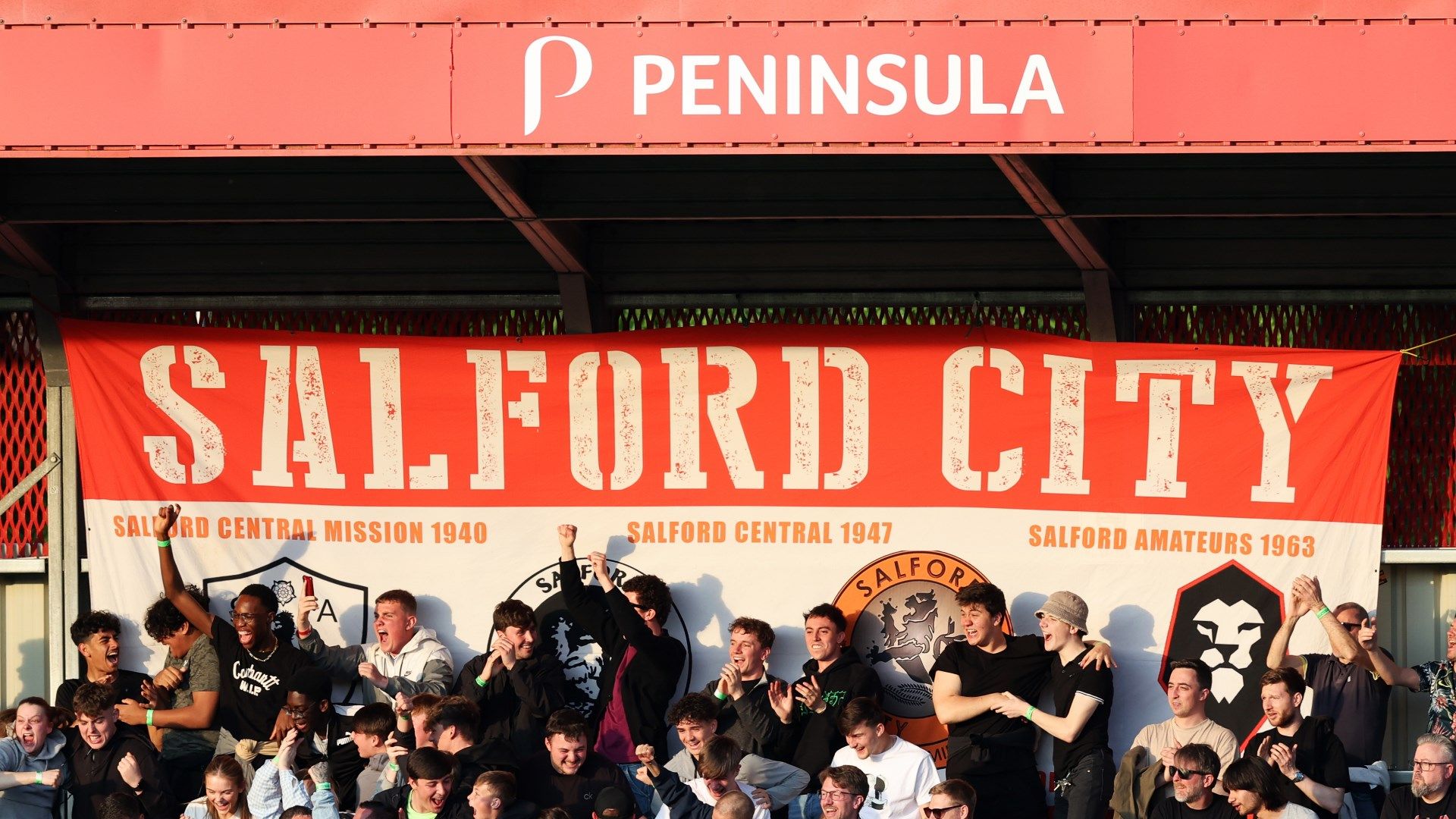

The Unmistakable Roar: Salford City's Anthem
It's more than just a song; it's the very heartbeat of a football club and its community. When Salford City FC fans launch into Ewan MacColl's 'Dirty Old Town,' they're not merely singing a tune – they're roaring out their identity, their history, and their unwavering pride.
Key Points:
- 'Dirty Old Town' serves as the unofficial anthem for Salford City FC supporters.
- The iconic folk song was penned by legendary artist Ewan MacColl in 1949.
- Its poignant lyrics paint a vivid picture of Salford's industrial heritage and working-class spirit.
- Fans adopted the song to celebrate their deep-rooted local identity and community connection.
The Unmistakable Roar: Salford City's Anthem
There are few sounds in football as authentic as a stadium united in song. For supporters of Salford City, that unifying force is the evocative melody and lyrics of 'Dirty Old Town'. It's a chant that echoes through the Peninsula Stadium, a powerful reminder of where they come from and what their club represents.
This isn't a modern pop hit repurposed for the terraces; it's a timeless folk classic deeply embedded in the cultural fabric of Salford. The song connects generations of fans, from those who remember the city's industrial boom to the new wave witnessing its modern renaissance. For many, it's the ultimate expression of loyalty to Salford City.
Tracing the Roots: Ewan MacColl's Vision
The story of 'Dirty Old Town' begins not in a stadium, but on a stage. Written by the renowned British folk singer and playwright Ewan MacColl in 1949, the song was originally intended as a scene-change filler for his play, "Landscape with Chimneys." MacColl, who spent his formative years in Salford, drew heavily on his personal experiences and observations of the bustling, industrial city.
His lyrics weren't just abstract poetry; they were a raw, honest portrayal of the environment he knew. MacColl’s connection to Salford ran deep, and the song quickly transcended its theatrical origins to become a standalone masterpiece of British folk music.
A Poetic Snapshot of Industrial Salford
What makes 'Dirty Old Town' resonate so profoundly with the Salford City faithful? It’s the unflinching lyrical depiction of an industrial landscape, a reality that defined the city for centuries. Lines about 'a smoky train,' 'a dirty old town,' and 'a factory wall' paint a picture of a place forged in grit and hard work.
The song captures the paradox of feeling a deep affection for a place, despite its imperfections. It speaks to nostalgia for a bygone era, the resilience of its people, and the enduring spirit of community found within its streets. This emotional depth makes it the perfect fit for a club so intrinsically linked to its local identity.
From Stage to Terraces: Embracing the Salford City Spirit
The journey of 'Dirty Old Town' from a folk classic to a football anthem for Salford City is a testament to the song's timeless relevance. As the club grew, particularly under the ownership of the Class of '92, its identity remained firmly rooted in the local community. The fans, recognizing the song's powerful resonance with their city's narrative, embraced it wholeheartedly.
It became more than just a popular tune; it became a declaration. Singing 'Dirty Old Town' is a way for Salford City fans to affirm their pride in their heritage, their working-class values, and their unique place in the football world. It’s an organic adoption, driven by genuine connection rather than commercial promotion.
More Than a Chant: A Club's Enduring Identity
Today, 'Dirty Old Town' isn't just a favourite at Salford City matches; it's a symbol. It encapsulates the club's journey from the lower leagues to professional football, all while holding onto its core values. The song reminds everyone that despite modern developments, the heart of Salford City FC beats with the same rhythm as the city it represents.
It's a powerful statement of identity, a link to the past, and an inspiring soundtrack for the future. For the fans, it’s a constant, defiant celebration of their 'dirty old town' – a place they proudly call home, and a club they passionately support.





.jpg)