
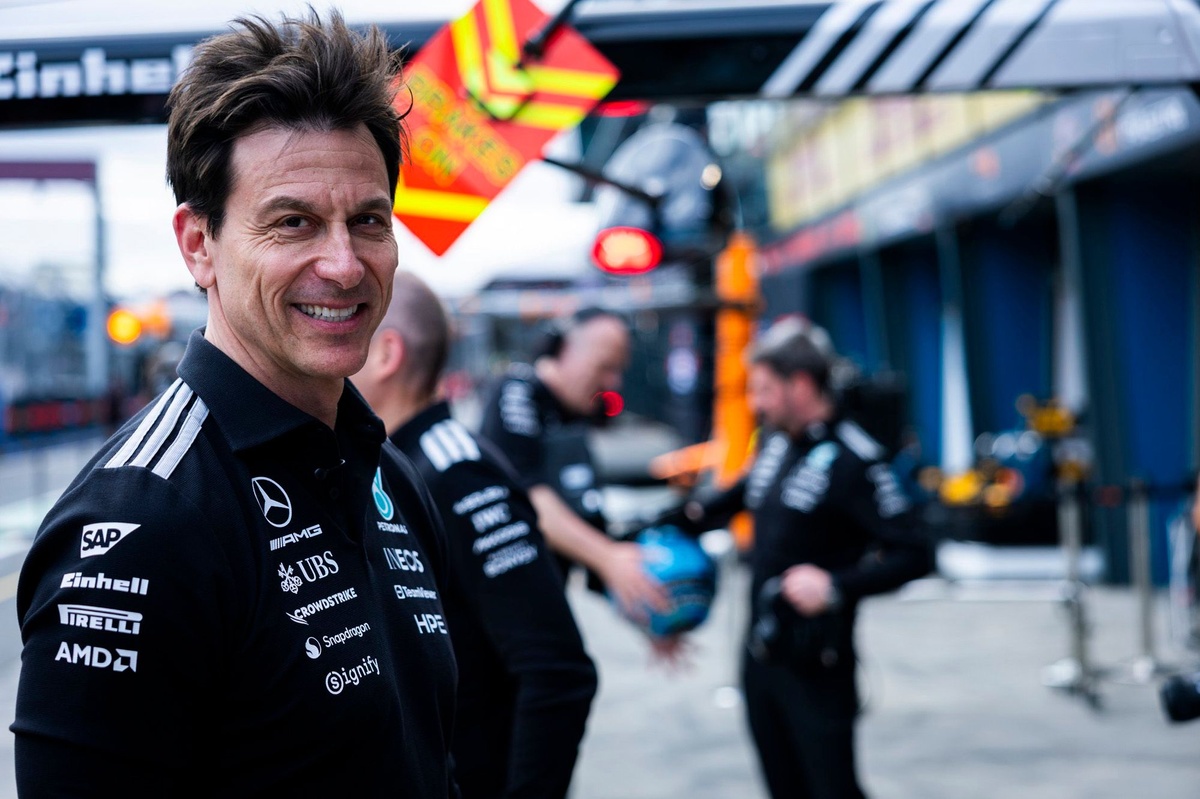

Toto Wolff: F1 2026 Critics "Should Hide" After Miami GP Thriller
If you're still complaining about Formula 1's 2026 regulations after the exhilarating Miami Grand Prix, Toto Wolff has a blunt message for you: 'hide.' The Mercedes team principal is unreservedly positive about the recent rule adjustments, calling the Miami race "spectacular" and "great advertising" for F1.
Key Points:
- Toto Wolff declares F1 2026 regulations a success after Miami Grand Prix tweaks.
- Mercedes boss believes critics of the new rules, especially after Miami, "should hide."
- Initial concerns about hybrid power and "artificial" overtakes are being addressed.
- Wolff cautions against immediate, drastic engine rule changes, advocating for mid-term optimization.
Miami's Roaring Success: A Turning Point for 2026 F1 Rules?
The initial rollout of F1's 2026 regulations brought a torrent of criticism. Drivers and fans alike voiced concerns over smaller, lighter cars and the drastically altered hybrid power units. The near 50:50 split between electric and combustion power led to strategic "lifting and coasting" and complex "super clipping" to manage battery levels, often dampening on-track action.
However, a crucial meeting involving F1, the FIA, and key stakeholders led to significant regulatory tweaks ahead of the Miami Grand Prix. These adjustments, designed to enhance racing and driver experience, appear to have paid dividends.
Wolff's Fiery Defense: "Hide If You're Still Complaining"
Toto Wolff's post-race comments in Miami were unequivocal. "If there's one single person that complains about the race today, I think they should hide, honestly," he stated, highlighting the dramatic improvement in racing quality. He acknowledged that the Miami International Autodrome might be less demanding energetically, but stressed the overall positive impact.
The Mercedes chief sees the Miami event as a powerful endorsement of the sport's direction. "That was great, great advertising for Formula 1," he asserted, suggesting the tweaks successfully debunked prior complaints about "artificial" overtakes and drivers being unable to push flat out.
Diving Into the Technical Fixes
What exactly changed? The FIA increased super clipping to a full 350 kilowatts, aiming for more predictable car speed profiles and enhancing the electric boost. This move directly counters the earlier criticisms of inconsistent power delivery.
Additionally, the harvesting limit in qualifying was reduced from eight to seven megajoules. While this might make cars slightly slower, the intention is to push drivers to the absolute limit, making qualifying more intense and skill-dependent.
A Call for Patience: No Snap Decisions on Engine Changes
Despite the positive feedback, discussions already surfaced about potentially modifying the engine rules again for next year, favoring a 60/40 split between hybrid and electric power. Wolff strongly advised against such hasty decisions.
"Whoever talks about changing engine regs in the short-term should question his way of assessing Formula 1 at that stage," he warned. He pointed to the "spectacular race" and intense "fight for the lead" as evidence that the core regulations are working.
While open to mid-term optimizations, such as increasing "straightline speed with the SM modes" and potentially extracting more performance from the Internal Combustion Engine (ICE), Wolff emphasized the need for "enough lead time" for teams to adapt. The message is clear: let the current system mature before proposing another overhaul.


