
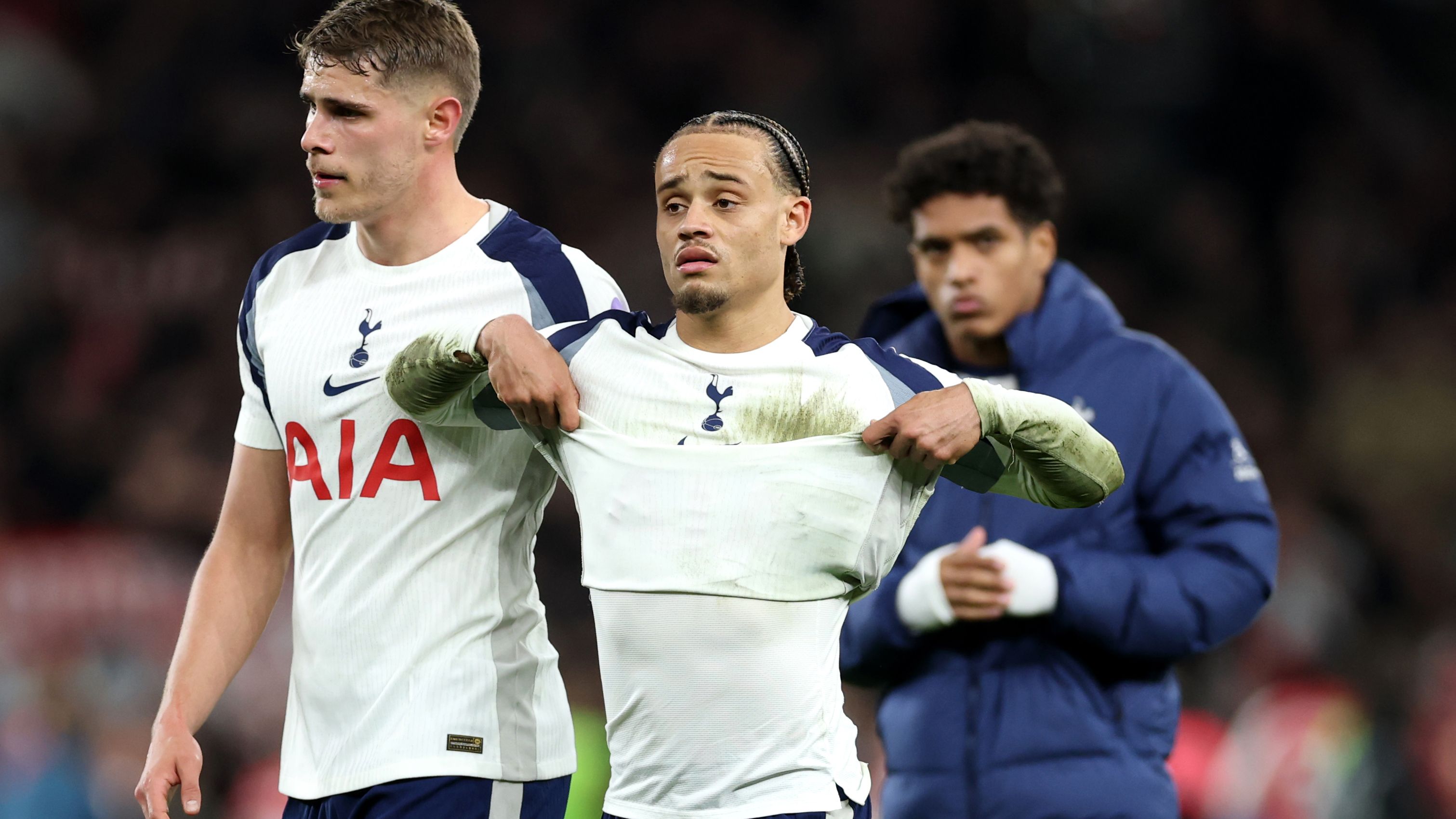

It’s a thought that sends shivers down the spine of any Tottenham Hotspur faithful: relegation. Yet, rewind the clock, and the unthinkable once happened. While today’s Spurs are firmly entrenched in the Premier League elite, there was a time when the club faced the ignominy of dropping out of England's top flight. This isn't just a tale of footballing misfortune; it's a fascinating look at a bygone era, both on and off the pitch.
Key Takeaways from Tottenham's Relegation History
- Tottenham Hotspur was last relegated in the 1976-77 season from the First Division.
- They bounced back immediately, securing promotion in the 1977-78 season at the first attempt.
- The late 1970s football landscape was vastly different, marked by a grittier style and less commercialisation.
- The world beyond White Hart Lane in 1977 was a distinct cultural and political environment.
The Unthinkable: When Spurs Last Fell
The 1976-77 season remains a unique, albeit painful, chapter in Tottenham Hotspur's storied history. Under the stewardship of manager Keith Burkinshaw, the team struggled to find consistency and form. Despite having talented players, the squad ultimately finished at the bottom of the First Division, sealing their fate and dropping into the Second Division. It was a stark reminder that even giants can stumble.
This relegation was a significant shock, given Tottenham's rich history of success, including multiple FA Cup wins and European triumphs. The fall from grace highlighted the intense competitiveness of English football, even before the modern Premier League era. Fans watched in disbelief as their beloved club prepared for life outside the top tier.
A Swift Return to the Top Flight
Thankfully for the Spurs faithful, their stint in the Second Division was short-lived. The 1977-78 season saw Tottenham exhibit remarkable resilience and determination. They secured promotion back to the First Division at the very first attempt, finishing third in the league. This immediate return underscored the club's ambition and commitment to elite football.
A pivotal figure in this swift resurgence was a young, emerging talent: Glenn Hoddle. His burgeoning skills and influence on the pitch were crucial in guiding Spurs back to where they belonged. This period proved that even setbacks could forge stronger foundations for future success, laying the groundwork for a more stable future for Tottenham.
A Different Era: Football in the Late 70s
Stepping back into 1977 reveals a football world almost unrecognisable to today's fans. The pitches were often muddy, the tackles were ferocious, and the tactical approaches were less sophisticated. The game was grittier, raw, and deeply connected to local communities, long before global broadcasting deals transformed the landscape.
Clubs like Liverpool and Nottingham Forest were dominating the English and European scenes, showcasing a blend of physical prowess and tactical shrewdness. Transfer fees were a fraction of what they are today, and player power, while growing, was far from its modern-day zenith. It was a time when passion often trumped commercialism.
The World Beyond White Hart Lane
Beyond the football stadiums, 1977 was a year of significant cultural and global events. Queen Elizabeth II celebrated her Silver Jubilee, captivating the United Kingdom. On the silver screen, Star Wars exploded into cinemas, beginning a global phenomenon that redefined blockbuster entertainment. Music was equally vibrant, with punk rock challenging the established order and disco dominating dance floors.
Technologically, the world was on the cusp of major changes. Personal computers were still a niche curiosity, mobile phones were non-existent, and global communication was a far slower affair. It was a pre-internet, pre-digital age, where news travelled differently, and the pace of life felt decidedly slower. This backdrop makes Tottenham's relegation feel like a distant echo from a truly different time.
The Modern Spurs: An Unbreakable Top-Flight Streak?
Since their return in 1978, Tottenham Hotspur has enjoyed an unbroken run in England's top football division. They were a founding member of the Premier League in 1992 and have remained a constant fixture, competing at the highest level for decades. The idea of Spurs facing relegation now seems almost ludicrous, a testament to the club's growth and stability.
The club's modern infrastructure, financial might, and consistent European aspirations paint a picture far removed from the struggles of the late 70s. While football remains unpredictable, the foundations are firmly in place to ensure Tottenham's status as a perennial top-flight competitor for the foreseeable future. The 1977 relegation is a stark reminder of where they've been, but also a measure of how far they've come.