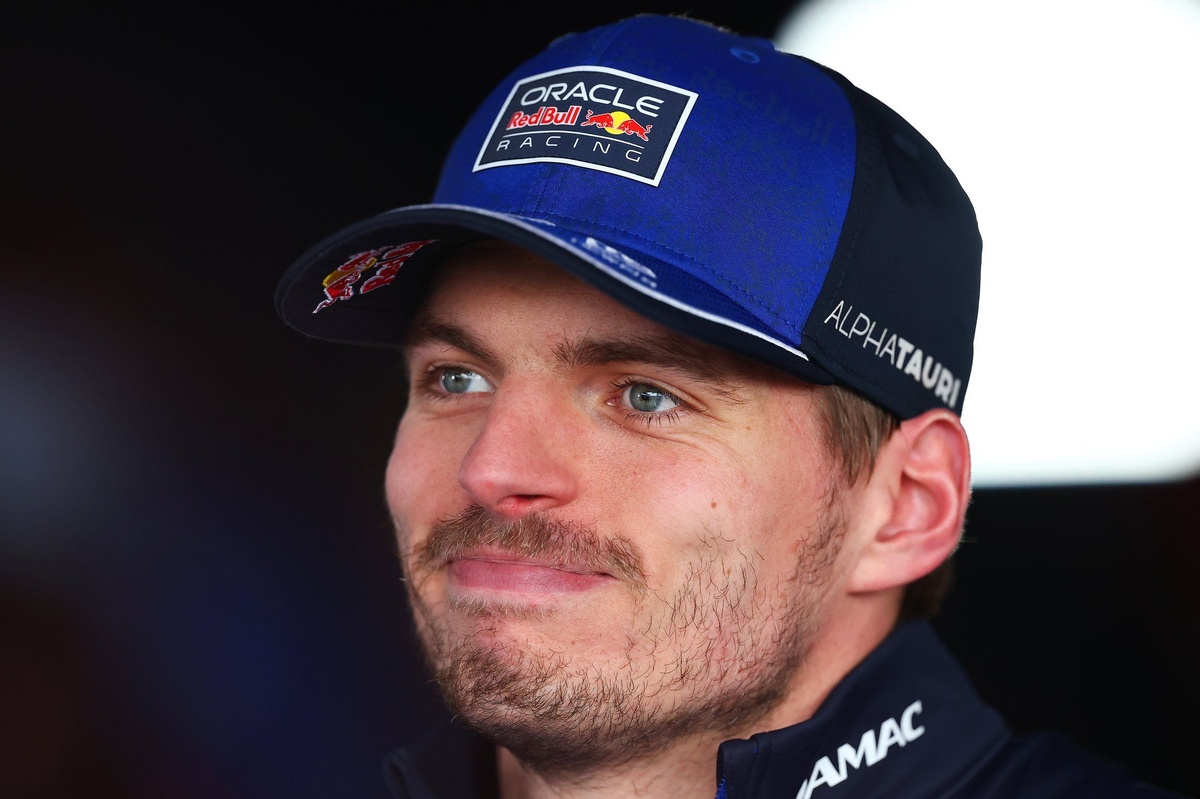

The sight of a reigning champion seemingly waving an opponent past him at full speed isn't just unusual; it's a flashing red light for Formula 1's future. Max Verstappen's visible exasperation during the 2026 Japanese Grand Prix laid bare the profound challenges and potential pitfalls of the sport's radical new technical regulations.
Key Points:
- Max Verstappen publicly expressed deep frustration with F1's 2026 regulations at Suzuka.
- An energy-depleted Red Bull saw Pierre Gasly easily overtake the champion.
- The new rules introduce a near 50:50 ICE/electrical power split and a battery-based boost replacing DRS.
- Drivers face intense pressure for energy management, leading to "Mario Kart" comparisons from Verstappen.
Suzuka Spectacle: A Champion's Conundrum
At Suzuka, the pinnacle of Formula 1 skill often unfolds, but this year it offered a different kind of drama. Fans watched in disbelief as Max Verstappen, a driver synonymous with relentless attack, practically surrendered a position to Alpine's Pierre Gasly on the legendary start-finish straight. The reason? A stark lack of electrical energy for deployment, leaving the Red Bull machine utterly defenseless.
The New Power Game: 2026 Regulations Under Scrutiny
The 2026 regulations ushered in a fundamental shift in Formula 1 power units. These new engines feature an almost even 50:50 split between the traditional internal combustion engine and electrical power. Crucially, the familiar DRS system has been replaced by a novel battery-based boost, awarded to drivers within one second of their rivals. This system demands unparalleled energy management, forcing competitors to constantly juggle power deployment against the dreaded "super clipping" – a sudden loss of pace when the electrical energy runs out.
Verstappen's Blistering Critique: "Mario Kart" on Steroids?
Never one to mince words, Max Verstappen has been outspoken about his discontent. He famously labeled the new format a "Mario Kart" boost system, jokingly admitting he'd swapped simulator time for Nintendo Switch sessions. His quip about being "good with mushrooms, but not so much with blue shells" perfectly captures the unpredictable, sometimes comical, nature of the new energy game.
Beyond the Banter: A Champion's Core Concerns
While the "Mario Kart" analogy draws laughs, Verstappen's underlying message is serious. He highlighted the tactical nightmare during the Japanese Grand Prix, explaining, "You just can't pass. Well you can pass, but then you have no battery the next straight. So I tried one time just to have a look, so I passed him into the final chicane, but then yeah, you have no battery the next straight. So I was like, 'see you later.'" This isn't just about losing positions; it's about the fundamental ability to race strategically and aggressively, which he feels is being stifled.
Red Bull's Rocky Ride in Japan
The Japanese Grand Prix proved to be a weekend to forget for Red Bull Racing. Max Verstappen's frustration wasn't limited to energy management; he'd started 11th after a shocking Q2 exit, calling the car "completely undrivable." Despite his efforts to salvage points, he crossed the line in seventh, notably behind Pierre Gasly, securing just 6 points for the team. Teammate Isack Hadjar also struggled, finishing outside the points in 12th. The Suzuka results underscore that the 2026 regulations are presenting a steep learning curve, even for the sport's dominant forces.