
The future of Formula 1 hangs in the balance, at least in the eyes of its reigning champion. Max Verstappen has delivered a brutal, no-holds-barred assessment of the upcoming 2026 F1 regulations, labeling them "anti-racing" and so unpleasant he actively refused to drive the concept car in the simulator. This isn't just a critique; it's a stark warning from the sport's biggest star that could reshape his career.
Key Points from Verstappen's 2026 F1 Regulations Critique:
- "Anti-Racing" Philosophy: The Red Bull star described the new rules as fundamentally detrimental to the racing spectacle.
- Simulator Refusal: Verstappen explicitly told Red Bull he didn't want to continue testing the 2026 car in the simulator due to its poor feel.
- Formula E Comparison: He likened the tactical energy management required to "Formula E on steroids," a direct dig at F1's direction.
- Motivation Dip: The unappealing nature of the future cars could significantly shorten his illustrious career in Formula 1.
Verstappen's Fiery Critique: A Stinging Indictment
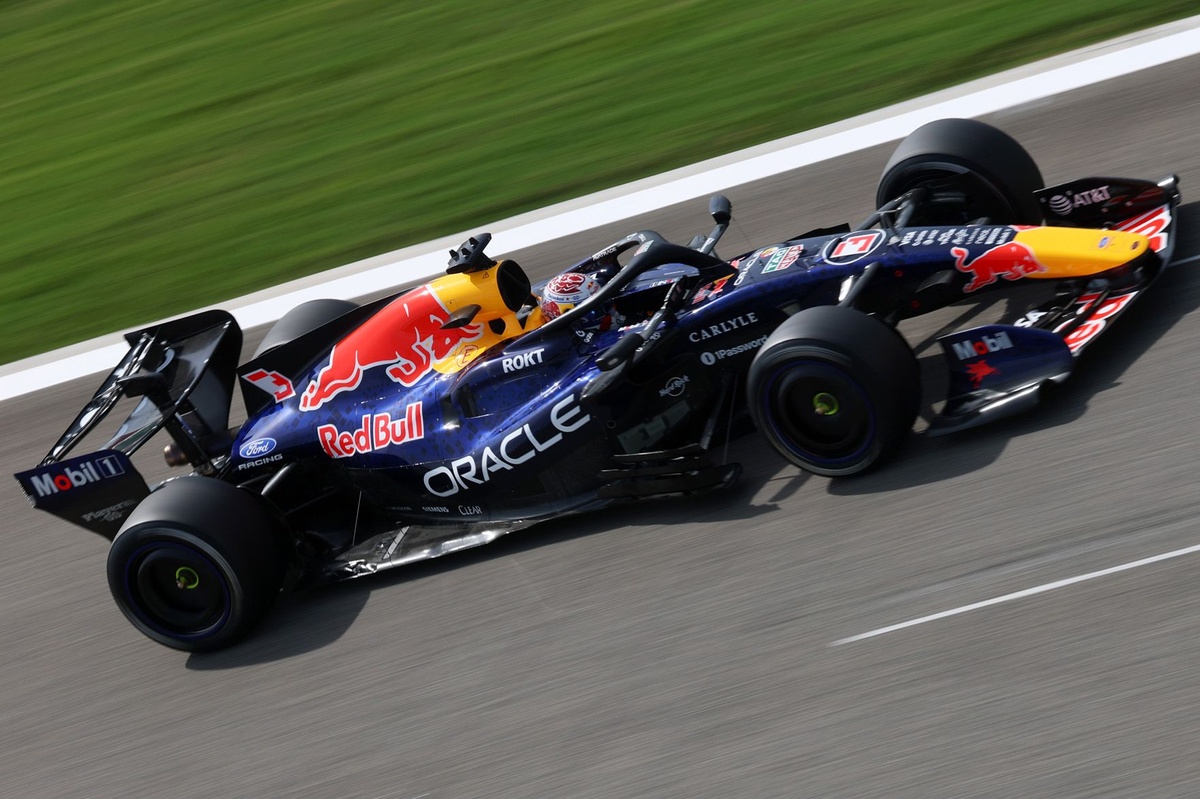
Fresh off testing in Bahrain, Max Verstappen didn't mince words about the 2026 F1 regulations. His candid remarks send a tremor through the paddock, highlighting deep-seated concerns from a driver whose pure joy of racing is evident every time he gets behind the wheel. The three-time world champion feels the sport is veering off course.
Why the Red Bull Ace Hates the Future of F1
Verstappen's issues with the 2026 F1 regulations are multifaceted. He points to critical flaws in energy efficiency on straights and a general "feel" of the car that he finds fundamentally "not fun." For a driver of his caliber, enjoyment is paramount, and the proposed changes seem to strip that away.
Simulator Sidelines: Too Unpleasant to Drive?
Perhaps the most damning revelation came when Verstappen admitted he deliberately stopped simulator work on the 2026 car. He openly told Red Bull that he preferred to focus on the current machinery. This isn't just a minor complaint; it's a professional driver actively opting out because the experience was that poor, even "ten times worse" than the previous ground-effect cars he sometimes disliked.
The "Formula E on Steroids" Warning
George Russell previously hinted at a more tactical, energy-saving approach for 2026, where drivers might intentionally go slower through corners to recuperate power for straights. Verstappen confirms this fear, outright rejecting the concept. He believes this "makes no sense at all" for Formula 1, dismissively suggesting it belongs in Formula E.
Is Verstappen's F1 Future on the Line?
This isn't merely about performance; it's about passion. Verstappen's honesty extends to his long-term commitment to F1. He candidly stated that the prospect of racing cars he doesn't enjoy "certainly doesn’t help to keep going for a very long time," especially having already achieved so much in the sport.
Beyond the Track: A Champion's Priorities Shift
The champion is already exploring other avenues, mentioning a growing interest in endurance and GT3 racing. He even revealed he was working on his GT3 car that very morning. If F1 fails to offer the driving thrill he craves, Verstappen seems genuinely ready to pursue other challenges.
A Call for Change: Ignoring the Critics
Verstappen believes the FIA and Formula One Management might not fully grasp the negative implications of these new rules. He warns that while Bahrain might mask some issues, circuits like Melbourne will truly expose the extent of the problems, particularly the forced lift-offs on straights for energy recovery. He acknowledges his comments might upset some but insists on sharing his authentic perspective with the fans. The message is clear: the rules need a serious re-evaluation if Formula 1 wants to keep its brightest star truly engaged.