

The echoes of cheers and the roar of the crowd at West Ham United's iconic Boleyn Ground have faded, replaced by the quiet hum of a new residential estate. This is the stark reality for fans of the Hammers, as the beloved stadium, home for over a century, has been completely transformed into a modern housing development. The shift marks a significant chapter in London football history, closing one venerable book and opening another.
Key Takeaways from Boleyn Ground's Demise:
- West Ham United's home from 1904 to 2016, officially known as the Boleyn Ground, affectionately called Upton Park.
- The historic stadium was demolished after the club moved to the London Stadium post-2012 Olympics.
- The site now hosts 'Upton Gardens,' a vast development comprising 842 flats and houses.
- Memorials, including the Bobby Moore garden and the John Lyall Gates, preserve the stadium's legacy.
From Hallowed Turf to Urban Sprawl: The Boleyn Ground's Evolution
For 112 years, the Boleyn Ground stood as a fortress for West Ham United, witnessing countless moments of triumph and despair. Opening its gates on September 1, 1904, with a 3-0 victory over rivals Millwall Athletic in front of 10,000 fans, the stadium quickly became synonymous with the club's identity. Despite its official designation as the Boleyn Ground, a nod to nearby Boleyn Castle's links to Anne Boleyn, it was more commonly known as Upton Park by the loyal supporters.
Over the decades, the stadium saw numerous expansions and modernisations, evolving from its initial design to an all-seater capacity of 35,016 by its closure. However, its true peak attendance predates the all-seater era, with a staggering 42,322 fans packing the ground on October 17, 1970, to watch West Ham battle Tottenham Hotspur to a 2-2 draw. This record highlights the fervent support that once filled its stands.
The Inevitable Move: Why West Ham Left Upton Park
By the 2010s, the writing was on the wall. The Boleyn Ground's urban location, hemmed in by residential streets and homes, offered no further room for expansion. With aspirations to compete at the highest level, West Ham United needed a larger, more modern arena. The London 2012 Olympics presented a unique opportunity, leading the club to secure a 99-year lease at the former Olympic Stadium, now rebranded as the London Stadium in Stratford. This move promised increased capacity and state-of-the-art facilities, but at the cost of leaving a century of history behind.
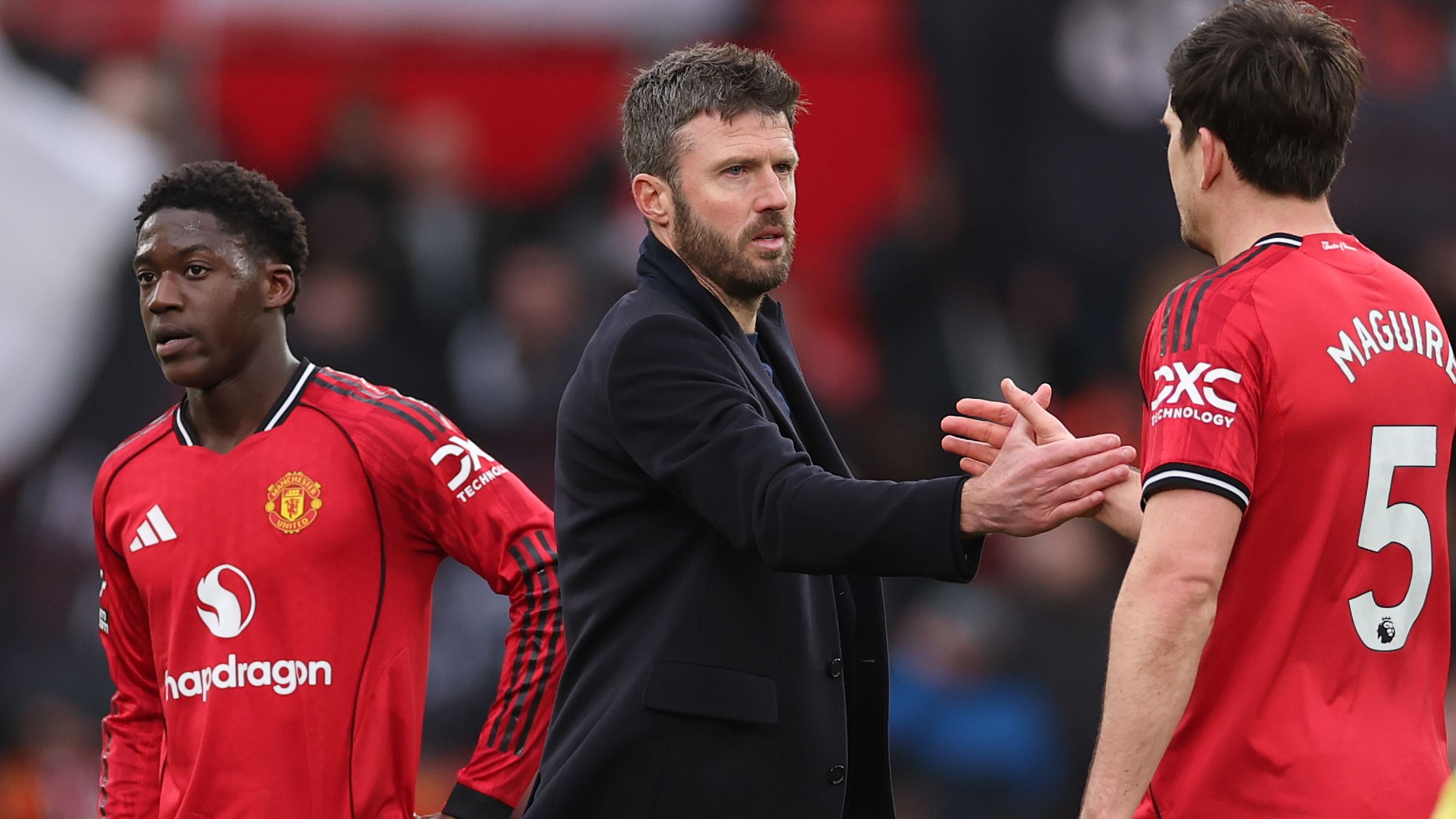
The final, emotionally charged match at Upton Park took place on May 10, 2016. In a fittingly dramatic farewell, West Ham delivered a thrilling 3-2 victory against Manchester United, with Winston Reid netting the decisive goal. It was a poignant end to an era, a perfect send-off for a stadium that had meant so much to so many.
A New Legacy: Upton Gardens Rises
Following its swansong, the Boleyn Ground had a brief cameo in the action movie Final Score before demolition commenced in late 2016 and continued into 2017. Developers Galliard Group and Barratt London then transformed the site into 'Upton Gardens.' This extensive project now boasts 842 flats and houses, meticulously arranged around a central green area where the iconic football pitch once lay.
While the stadium itself is gone, its spirit endures. A poignant memorial garden dedicated to legendary West Ham captain Bobby Moore provides a space for reflection. Furthermore, cherished artifacts like the John Lyall Gates were carefully relocated to the London Stadium, ensuring that pieces of the old home journeyed with the club to its new abode. The Boleyn Ground's physical form may have changed, but its place in football lore is forever cemented.