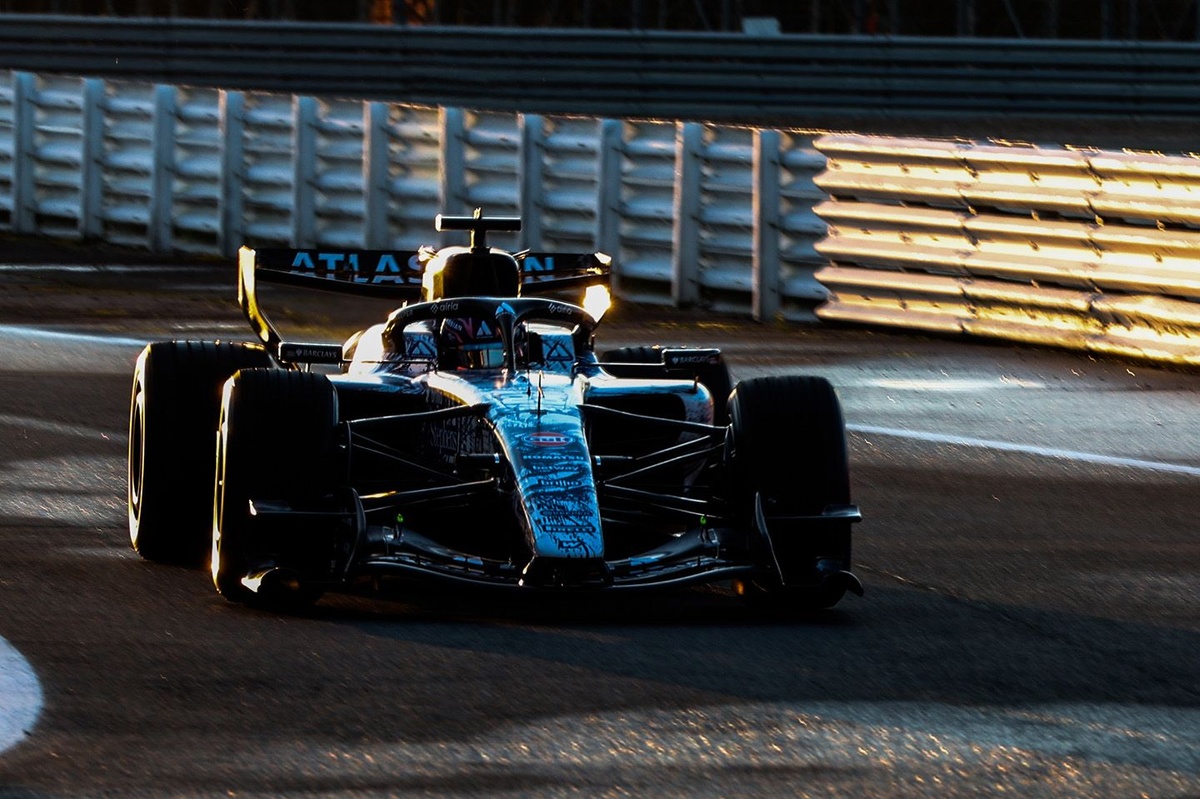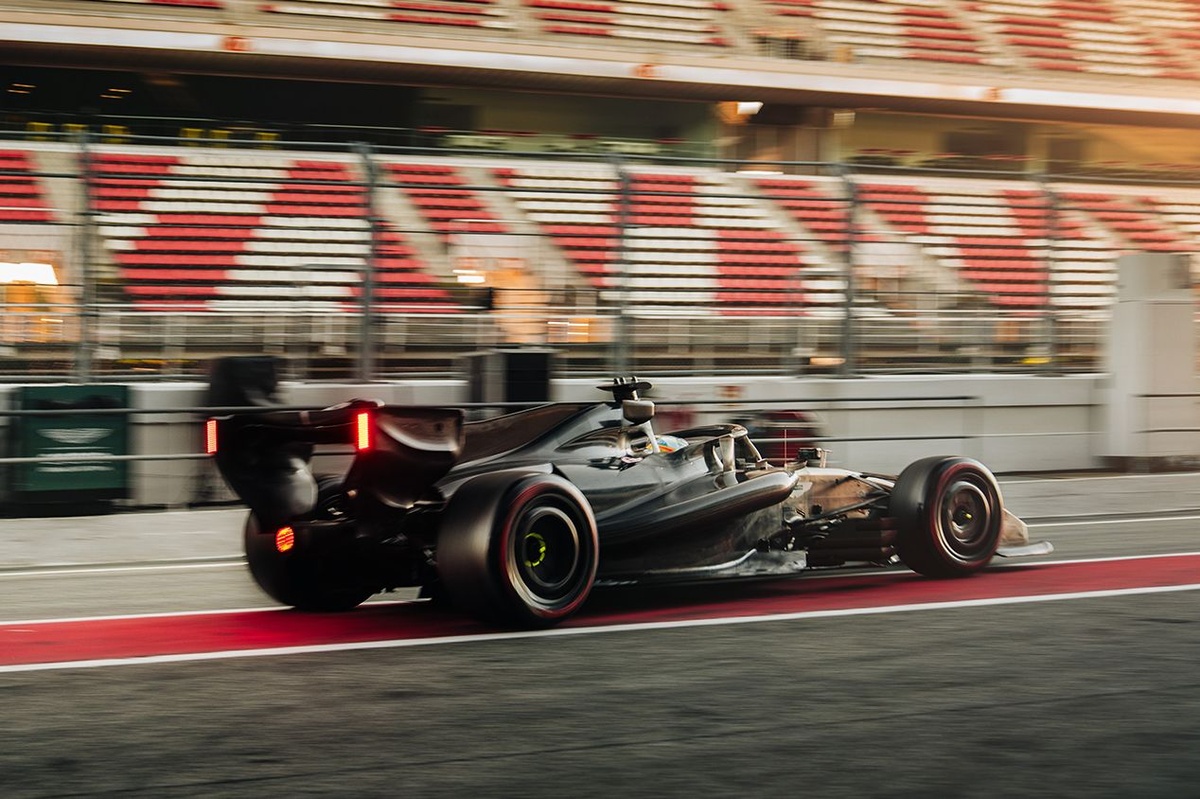

When Adrian Newey designs a Formula 1 car, the paddock holds its breath. His latest creation, the Aston Martin AMR26 for 2026, is no exception—already declared “spectacular” by rivals, it’s a bold statement that could redefine the grid.
A New Era Unveiled: Aston Martin's Audacious AMR26
The AMR26 finally broke cover during the Barcelona shakedown, immediately drawing widespread attention. Rival engineers and drivers were quick to praise—or perhaps nervously observe—its distinct features. Mercedes star George Russell labelled it “spectacular” and the “most standout car design.”
Even Williams team principal James Vowles, a former Mercedes strategist, expressed admiration for Newey’s creative genius. He highlighted the “wishbones in places that I don’t think they should be,” calling it “very impressive, very creative, very extreme.” This isn’t just a car; it’s a conversation starter.
Newey's Vision: Beyond Aggression, Towards Pure Interpretation
Despite the awe and buzz, Adrian Newey himself offers a surprisingly understated take on his latest masterpiece. He insists he doesn’t perceive his designs as “aggressive.” Instead, the legendary designer views the AMR26 as a meticulous, holistic response to the dramatically different 2026 Formula 1 regulations.
Newey’s approach focused on achieving specific “flow fields” and evolving geometry to suit them. While it boasts “quite a few features that haven’t necessarily been done before,” he believes it’s simply pursuing what he deems the “right direction” for the rulebook.

Image: Planet F1
The Blueprint: Packaging, Suspension, and Aero Innovation
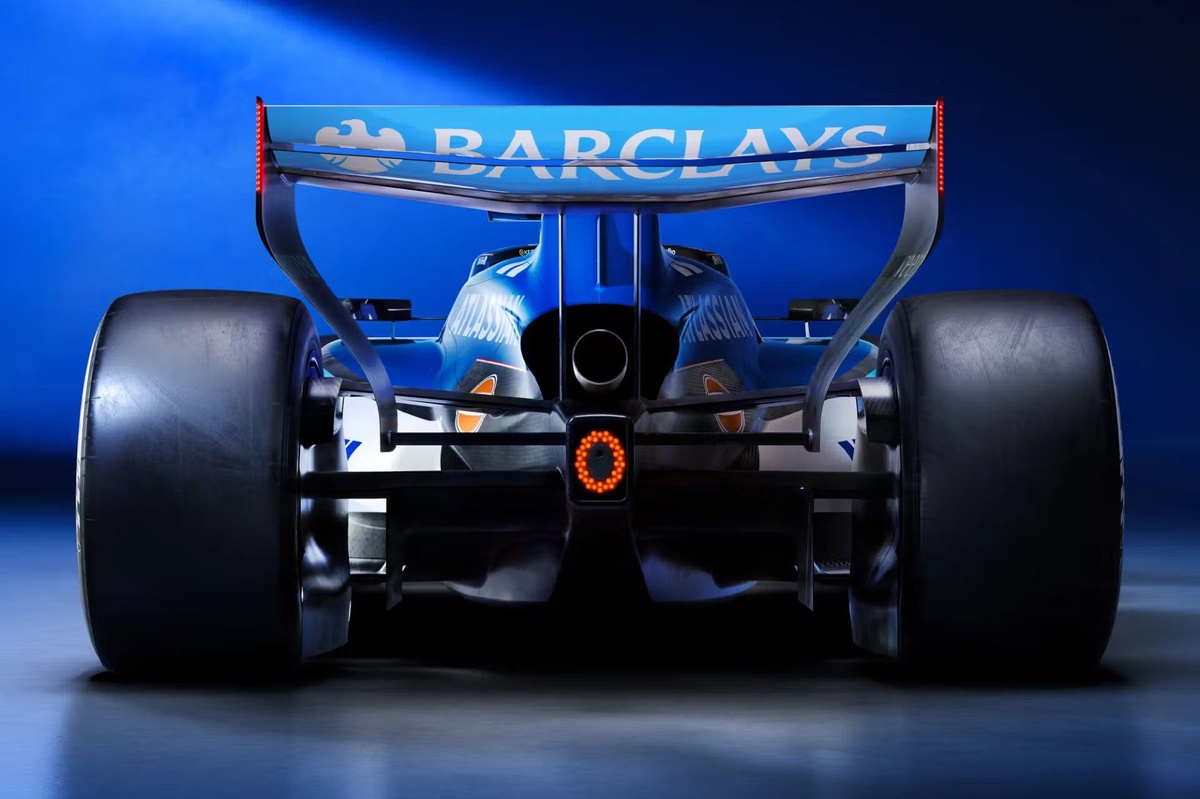
The AMR26 is a testament to Newey's renowned attention to detail. He elaborates on the design process, beginning with the car’s overall packaging, including the strategic placement of main masses and weight distribution over the wheelbase.
Crucially, both the front and rear suspension systems play a pivotal role in manipulating the aerodynamic flow field. This holistic design extends to a unique front wing and nose shape, distinct sidepods, and an innovative treatment around the car’s rear. The result is a “tightly packaged” machine, demanding close collaboration between aerodynamicists and mechanical designers.
High Stakes: The Compressed Timeline Challenge
However, the journey to this groundbreaking design wasn’t without its hurdles. Aston Martin faced a significant four-month delay in bringing its new wind tunnel online. This setback meant the 2026 car’s development proceeded on a “compressed timescale,” forcing a decisive path forward.
Newey candidly acknowledges the inherent uncertainty in interpreting entirely new regulations. He stated, “nobody is ever sure what the right philosophy is.” Only time, and the relentless pursuit of performance on track, will reveal if Aston Martin’s bold interpretation of the 2026 regulations will translate into championship glory.