
Get ready for a seismic shift in Formula 1! The 2026 regulations are unleashing a beast of an electric motor, tripling its power output, yet leaving teams scratching their heads over a critical challenge: keeping the batteries charged for an entire lap.
The Electrified Gauntlet: F1's 2026 Power Unit Conundrum
The upcoming 2026 Formula 1 season promises a revolution under the hood. The new power units will see the electric motor's output soar from 120 kW to a staggering 350 kW. This monumental leap in electrical power, however, isn't matched by a proportional increase in battery capacity.
This imbalance creates a fundamental problem: how do teams generate enough electrical energy to power the car for a full racing lap? While active aerodynamics are designed to reduce drag and conserve energy, it appears this might not be enough. Teams are scrambling to find novel solutions to avoid running out of crucial electric power mid-straight.
Williams' Radical Solution: Fueling the Electric Beast
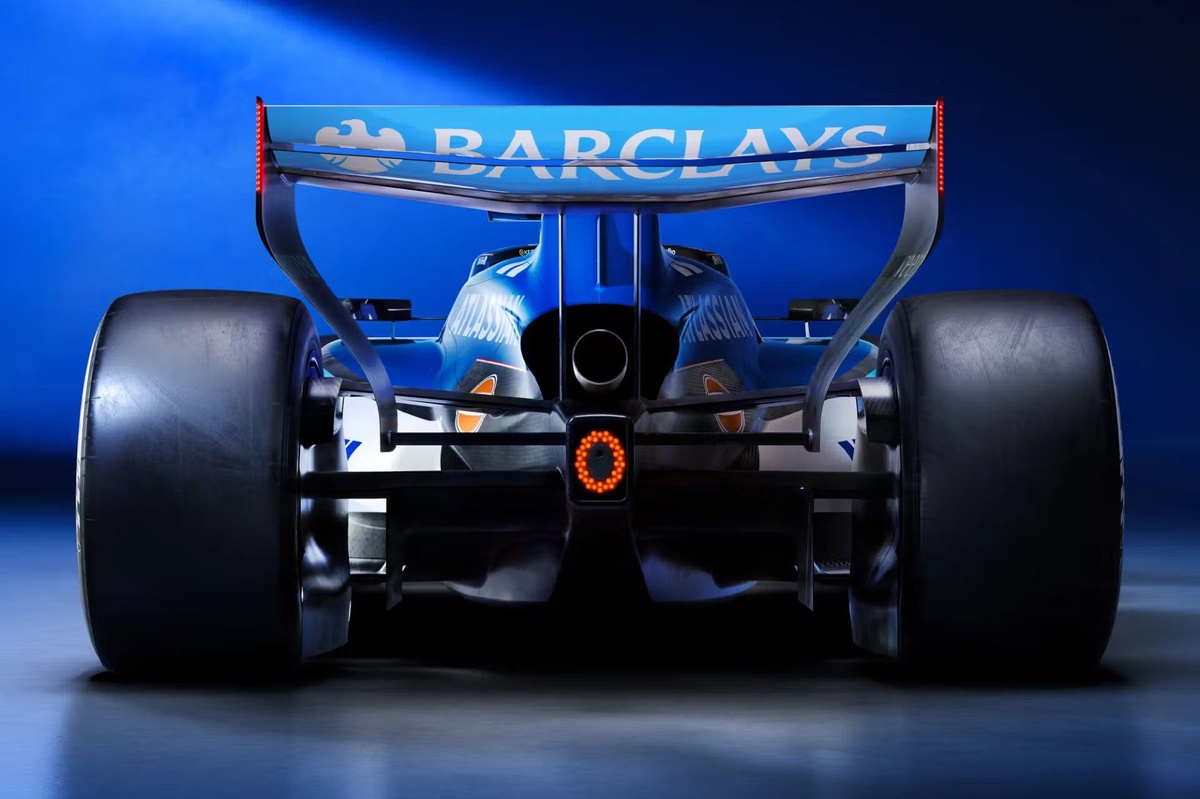
Enter Williams and their engineering technical director, Matt Harman, who recently shed light on some truly innovative thinking. Harman confirmed that fans might hear internal combustion engines 'singing' through corners in 2026, a surprising strategy aimed at recharging batteries using fuel.
"Energy recovery will be a massive challenge," Harman stated during the FW48 livery launch. "We need to maximize that recovery. One thing you might see is drivers pulling much lower gears than ever before, even first gear, to boost recovery in key stages of the lap. This is a significant departure from current driving styles."
Such a dramatic change isn't without its complexities. Forcing the engine to run at high revs in low gears for recovery introduces stability challenges at the rear of the car. This demands sophisticated power unit control and new rear stability systems.
Harman emphasized that drivers will need to adapt their natural styles. "They won't naturally want to do that, I don't think," he noted, highlighting the steep learning curve ahead for the grid's elite.
Decoding the Hybrid Strategy
Adding further detail, Angelos Tsiaparas, Williams' head of trackside engineering, clarified the concept. He drew parallels to hybrid road cars, explaining that teams can essentially 'burn fuel to create electricity' by putting the electric motor into a harvesting mode.
This isn't entirely new, Tsiaparas explained, as current regulations allow for similar strategies. However, with the 2026 electrical component being nearly three times more powerful, these fuel-burning, energy-generating tactics will become 'way more potent' and strategically vital.
The Chassis-Engine Synergy: Key to 2026 Dominance
The success of these intricate power unit strategies ultimately hinges on seamless integration. Harman underlined that the marriage between Formula 1's new engines and the updated chassis will be paramount to success in 2026.
A team with advanced power unit and chassis integration could lead the pack, while those struggling in certain areas might need to drastically alter their car's setup. The daily discoveries are making it 'quite exciting,' according to Harman, hinting at a fascinating development race.
The 2026 F1 season is shaping up to be a tactical masterpiece, demanding unprecedented ingenuity from engineers and a profound evolution in driving technique. The race isn't just on the track; it's also in the labs, redefining how electric power fuels speed.