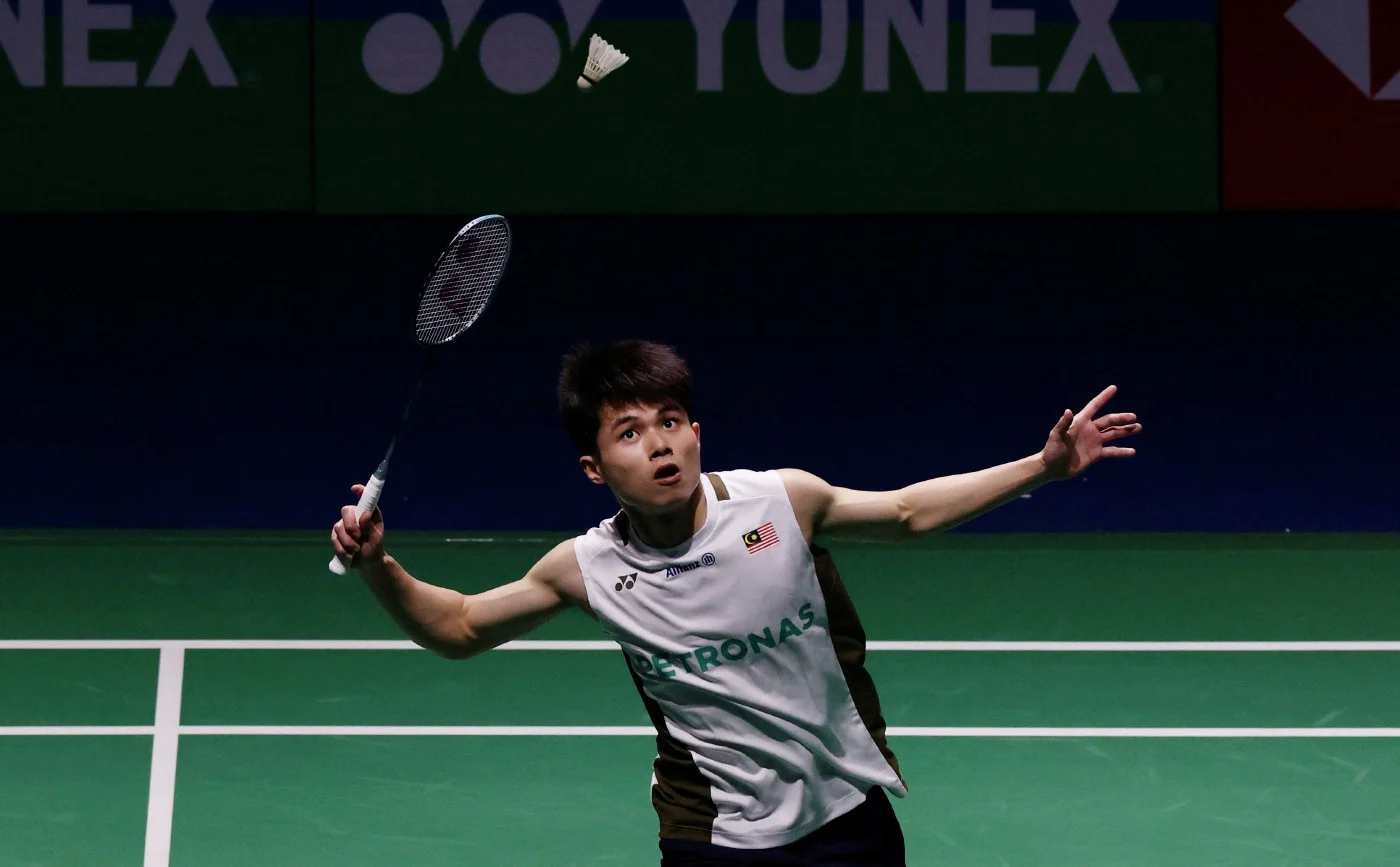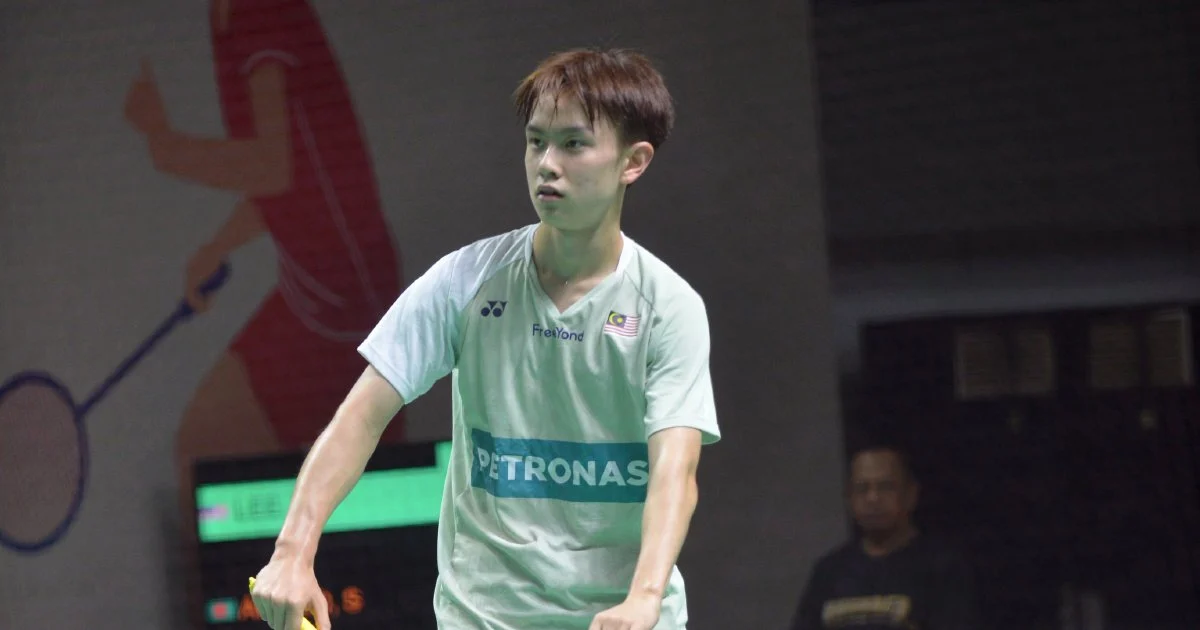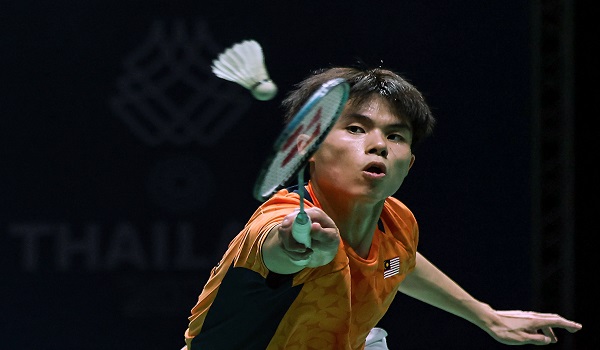


The roar of the crowd for Malaysian men's singles has dimmed, leaving fans yearning for the glory days when champions consistently graced the podium. While Malaysia dominates in doubles categories, the pressing question remains: what happened to the men's singles prowess?
Key Takeaways from the Men's Singles Slump:
- Malaysian badminton's men's singles department is struggling to find a consistent world-beater since the retirement of legend Lee Chong Wei.
- Former SEA Games gold medalist Chong Wei Feng points to a shift in player mindset, arguing that the drive for national team selection has diminished.
- The "professional era" fosters a comfort that clashes with the rigorous pursuit of national team spots.
- Badminton Association of Malaysia (BAM)'s new initiatives, including a focus on junior development, expanded coaching, and a more holistic training approach, aim to rebuild the pipeline.
The Fading Glory: Malaysia's Singles Conundrum
For years, the BAM has grappled with a glaring void in its men's singles ranks. Since the iconic Lee Chong Wei hung up his racket, the nation has struggled to find a successor capable of consistently challenging for top international honors. Even Lee Zii Jia, once hailed as the next big thing and a former All England champion, has shown flashes of brilliance but struggled with consistency, leaving fans hungry for more.
Wei Feng's Candid Assessment: "Comfort" vs. Commitment
Former SEA Games champion Chong Wei Feng, a vital part of the 2014 Thomas Cup runner-up squad, offers a sobering perspective on the current state of affairs. He highlights a stark contrast between his era and the modern "professional era," where the single-minded pursuit of a national team spot seems less urgent for some aspiring shuttlers.
The Vanishing Drive
"The determination of the current singles players to get selected for the national team is not as strong as my time," Wei Feng reveals. A decade ago, securing a place in the national squad was the ultimate dream, with failure often meaning the end of a career. Today, the expanded international circuit and the option to turn professional offer alternative paths, leading to a perceived "comfort" among some players. This shift, Wei Feng suggests, has diluted the fierce competition that once forged champions.
The Peril of Premature Exits
Beyond mindset, Wei Feng identifies another critical factor: BAM's talent management. He argues that in the past four to five years, many promising players were dropped prematurely. "Some of the good ones have been dropped (by BAM) too early, I would say. Not given more time," he states. Unlike early bloomers such as France's Alex Lanier or Indonesia's Alwi Farhan, most players, including Wei Feng himself (who won SEA Games gold at 28), peak later, often around 24 or 25. Cutting them at 20 or 21 robs them of crucial development time and the chance to fulfill their potential. This shortsightedness has significantly contributed to the current talent deficit.
Charting a New Course: BAM's Path Forward
Recognizing the severity of the situation, BAM has reportedly begun implementing changes. Wei Feng acknowledges these efforts, particularly the focus on development from the ground up.
Rebuilding from the Ground Up
The strategy now involves cultivating a larger pool of junior players, specifically targeting talents aged 15 to 16. This "build from the junior set-up" approach is essential given the scarcity of experienced senior players, who are vital for pushing each other in training. Furthermore, the national singles coaching director, Kenneth Jonassen, has shown a progressive stance by considering potential players without strict age criteria, even recalling ex-national players for trials. This move signals a willingness to cast a wider net and correct past errors.
The Coaching Conundrum: Holistic vs. Specialized
BAM has also bolstered its coaching department, hiring more coaches to support the team. Kenneth Jonassen champions a holistic coaching approach, where coaches like Tey Seu Bock, K. Yogendran, and Iskandar Zulkarnain Zainuddin are equipped to handle both men's and women's singles players. While this contrasts with the traditional Asian model of highly specialized coaches, examples like Thailand's Patapol Ngernsrisuk (who guides former world champions Kunlavut Vitidsarn and Ratchanok Intanon at his club) and the Popov brothers in France (coached by their father) demonstrate that a smaller, focused holistic setup can indeed thrive.
Ultimately, while the holistic model offers flexibility, Wei Feng believes that specialized development with ample funding for a larger coaching staff could yield faster results. The journey to reclaim Malaysia's men's singles glory will be long and arduous, but with renewed focus on player determination, judicious talent management, and strategic coaching, the future holds promise.