
Mercedes Roars Back: The Silver Arrows' Dominant Return
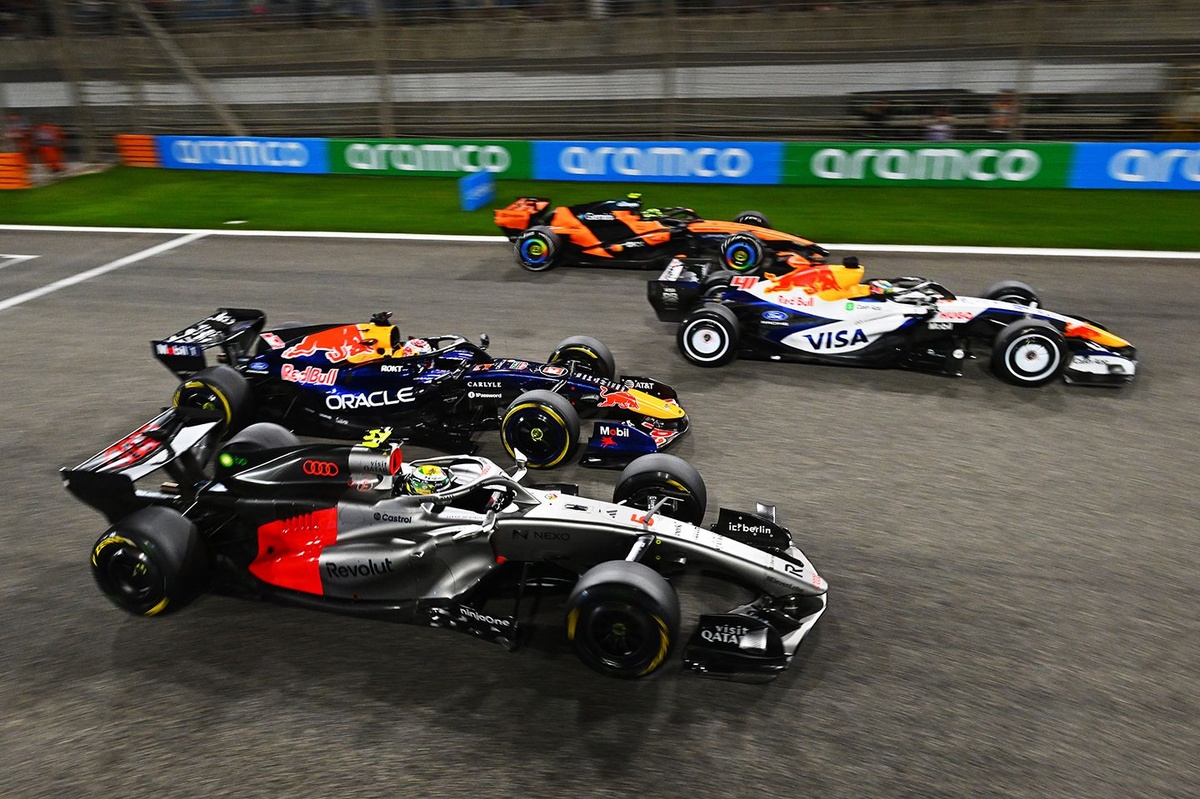
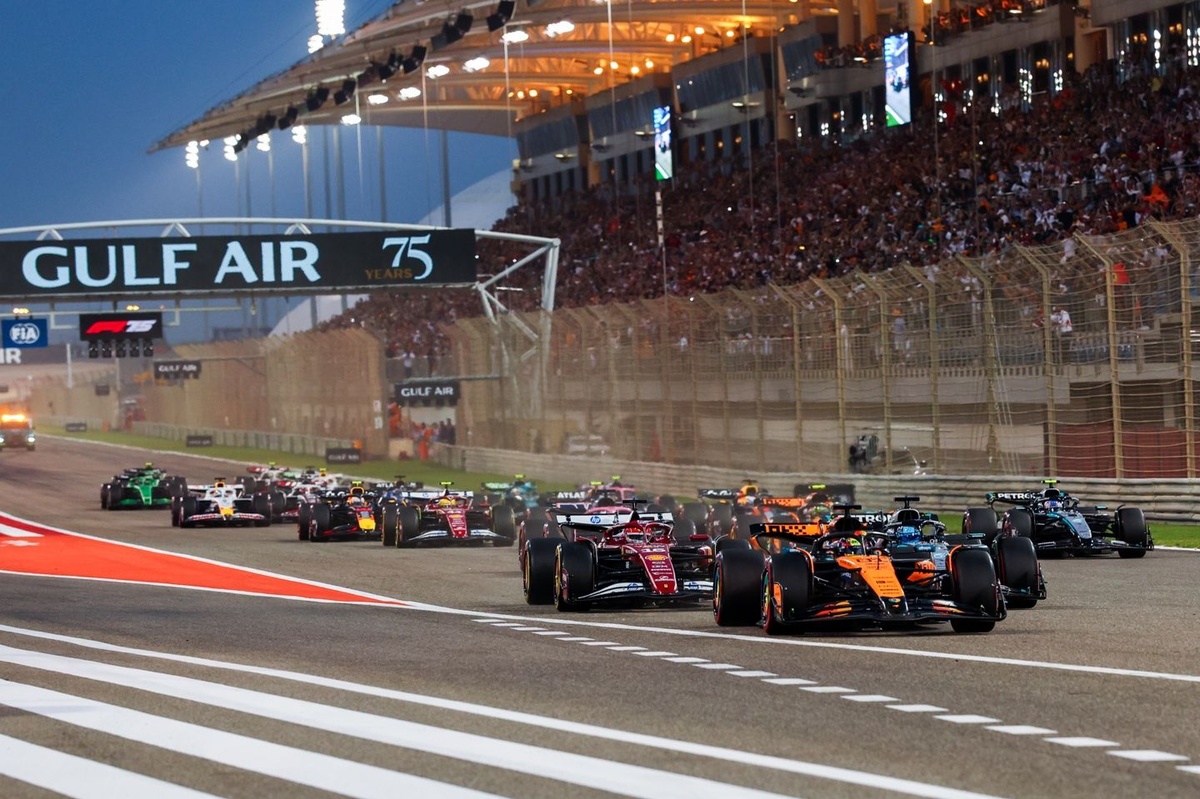
The 2026 F1 season opener in Australia wasn't just a race; it was a seismic shift, announcing Mercedes' triumphant return and exposing early fault lines for others. The Australian Grand Prix proved a dramatic stage for the sport's new era, delivering both elation and despair in equal measure.
Key Takeaways from the Australian GP
- Mercedes makes a resounding comeback, leveraging a shrewd power unit strategy for dominant performance.
- The Aston Martin-Honda partnership suffers a disastrous debut, plagued by crippling technical issues and finger-pointing.
- New power unit manufacturers, Red Bull-Ford Powertrains and Audi, defy expectations with remarkably strong initial showings.
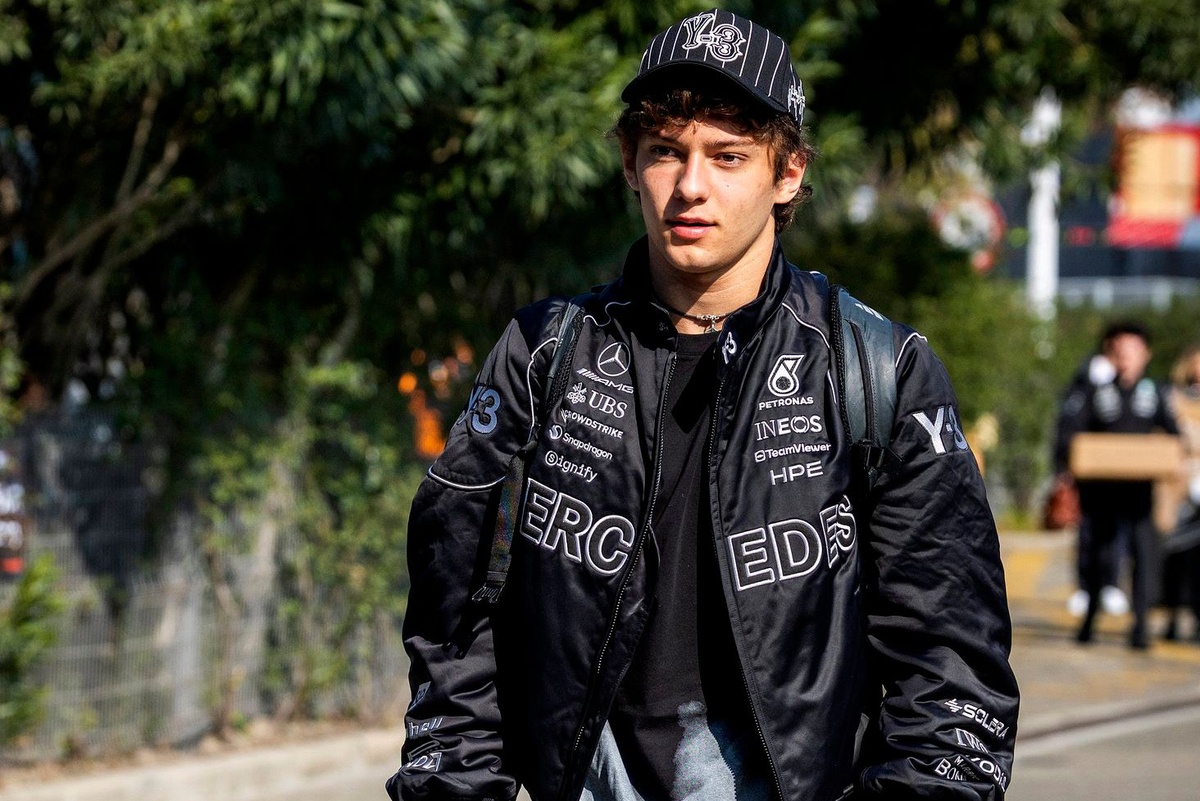
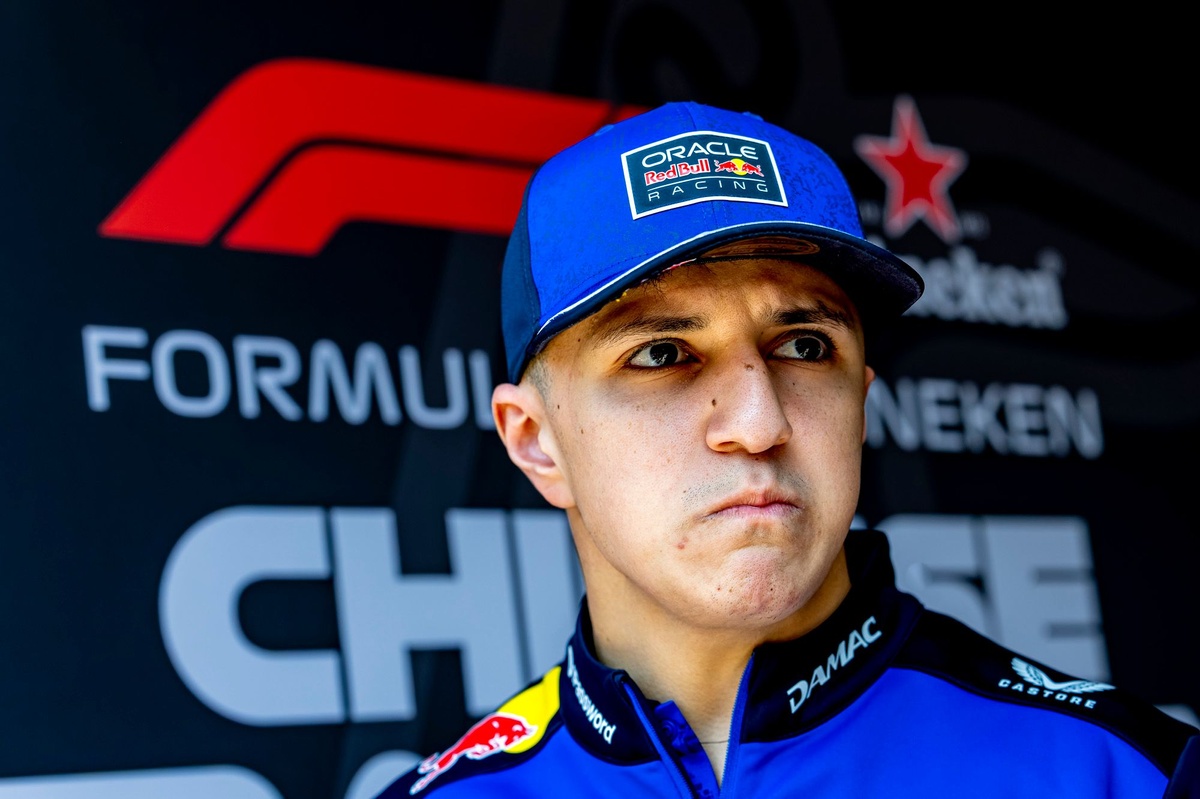
- Young talents Isack Hadjar and Arvid Lindblad steal the spotlight, delivering impressive, mature drives.
Mercedes Roars Back: The Silver Arrows' Dominant Return
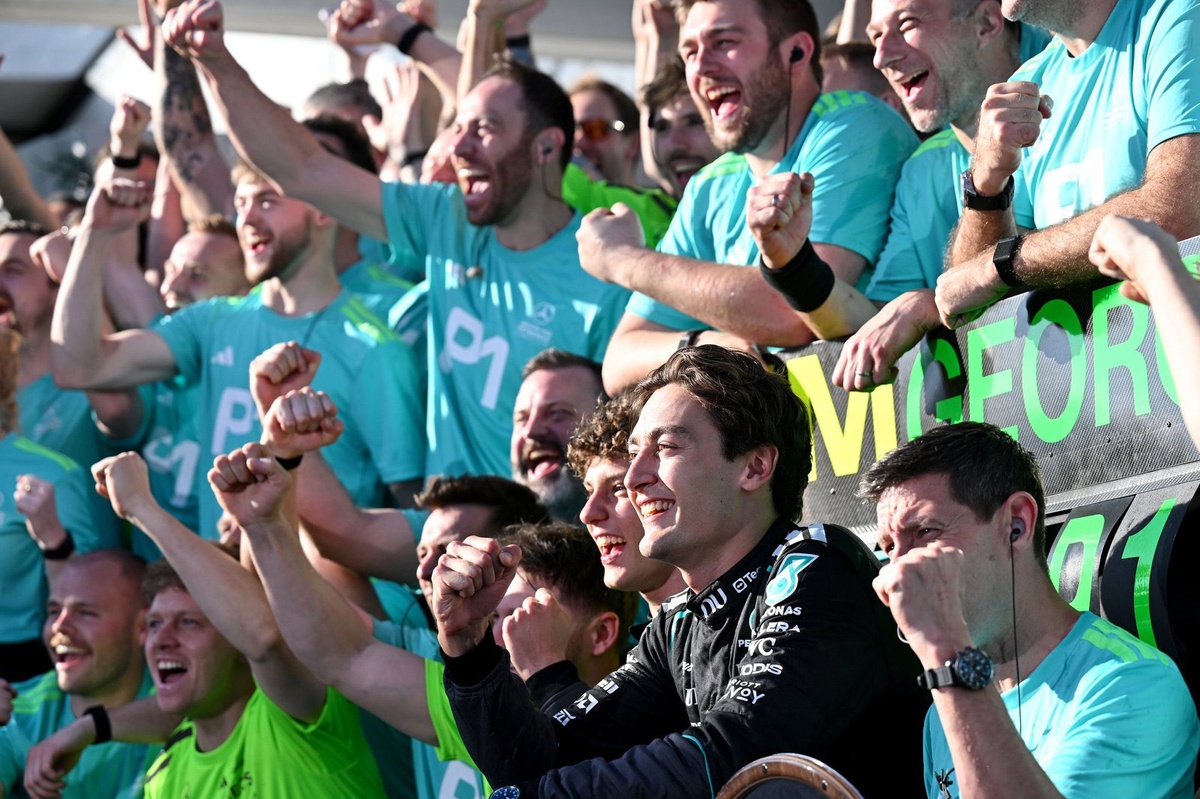
Toto Wolff's triumphant grin said it all: Mercedes is back. After years of navigating the ground-effect era's complexities, the Silver Arrows have unleashed a formidable package for F1 2026. Their strategic development, particularly around the power unit in Brixworth, has been nothing short of genius.
Engineering Mastery: Mercedes' PU Secret Unveiled
Mercedes' power unit department, once again, cooked up some magic akin to their 2014 dominance. They skillfully masked their energy deployment capabilities throughout winter testing, revealing their true harvesting potential only in qualifying. This left rival customer teams like McLaren, Williams, and Alpine baffled, showcasing a significant performance advantage.
George Russell, nearing his peak, capitalized brilliantly, while an impressively maturing Kimi Antonelli recovered from an FP3 shunt to secure his best F1 result. This is just the first battle, with Ferrari lurking, but the initial statement from Mercedes is ominous.
Aston Martin-Honda's Nightmare Debut: A Partnership Under Strain
Lawrence Stroll's vision for Aston Martin as an F1 superteam hit a brutal reality check with their new works Honda partnership. The AMR26 chassis development was behind schedule, and Honda's reconfigured power unit department struggled immensely with the 2026 regulations.
Vibrations and Vexations: The AMR26's Crippling Issues
Severe vibrations from the Honda power unit wreaked havoc, tearing apart the team's battery units. This critical flaw severely limited mileage for learning and left them short on spare parts. Both Fernando Alonso and Lance Stroll were forced to retire from the race after lengthy pit stops, a truly calamitous start.
Team boss Adrian Newey’s public criticism of Honda echoed past mistakes, particularly McLaren’s fraught relationship with the Japanese manufacturer. While Honda will undoubtedly focus on solutions, this partnership is far from the seamless powerhouse Stroll envisioned.
Red Bull‑Ford and Audi Shake Up the Grid
While Mercedes reclaimed dominance, the arrival of Red Bull‑Ford Powertrains and Audi added a fresh twist to the 2026 season opener. Both new power unit manufacturers outperformed many expectations, demonstrating that the engine landscape is undergoing a significant shift.
Red Bull‑Ford Powertrains, built from the remnants of the former Honda F1 engine program, impressed with its blend of power and drivability. Teams powered by the RBPT unit showed a competitive pace throughout the weekend, suggesting that Red Bull’s in‑house engine project has made a remarkable early impact.
Meanwhile, Audi’s entry, though still in its infancy, wasn’t merely symbolic. The German marque’s power unit exhibited solid performance and reliability, keeping competitors on notice that it won’t be a back‑marker engine for long. Their debut hinted at future battles higher up the order as development gains momentum.
Rising Stars: Hadjar and Lindblad Impress Under Pressure
Not all the headlines from Albert Park were about seasoned veterans or established teams. Two rising talents, Isack Hadjar and Arvid Lindblad, stood out as some of the weekend’s most compelling stories.
Hadjar’s Poise and Precision
Isack Hadjar, already known for his aggressive yet calculated style, delivered a mature performance that belied his relative lack of experience. In a race where chaos defined outcomes, Hadjar kept his cool, made smart overtakes, and managed his tyres and energy with a sense of strategic awareness beyond his years. His result, significantly better than many anticipated, signals a driver rapidly finding his groove in Formula 1.
Lindblad’s Breakthrough Weekend
Similarly, Arvid Lindblad turned heads with a stunning drive that combined composure and speed. Despite the pressure and unpredictability of Melbourne’s opening GP, Lindblad carved his way through the field, showcasing racecraft and consistency that would make even seasoned competitors take notice. His pace in both clean air and during wheel‑to‑wheel action highlighted the potential of a future frontrunner in the making.
Both drivers not only scored important results but also provided a narrative of youthful promise, reminding fans that, amidst the technical and strategic battles, Formula 1 remains a sport where emerging talent can rise quickly.