
Unforeseen Challenges for the Paddock
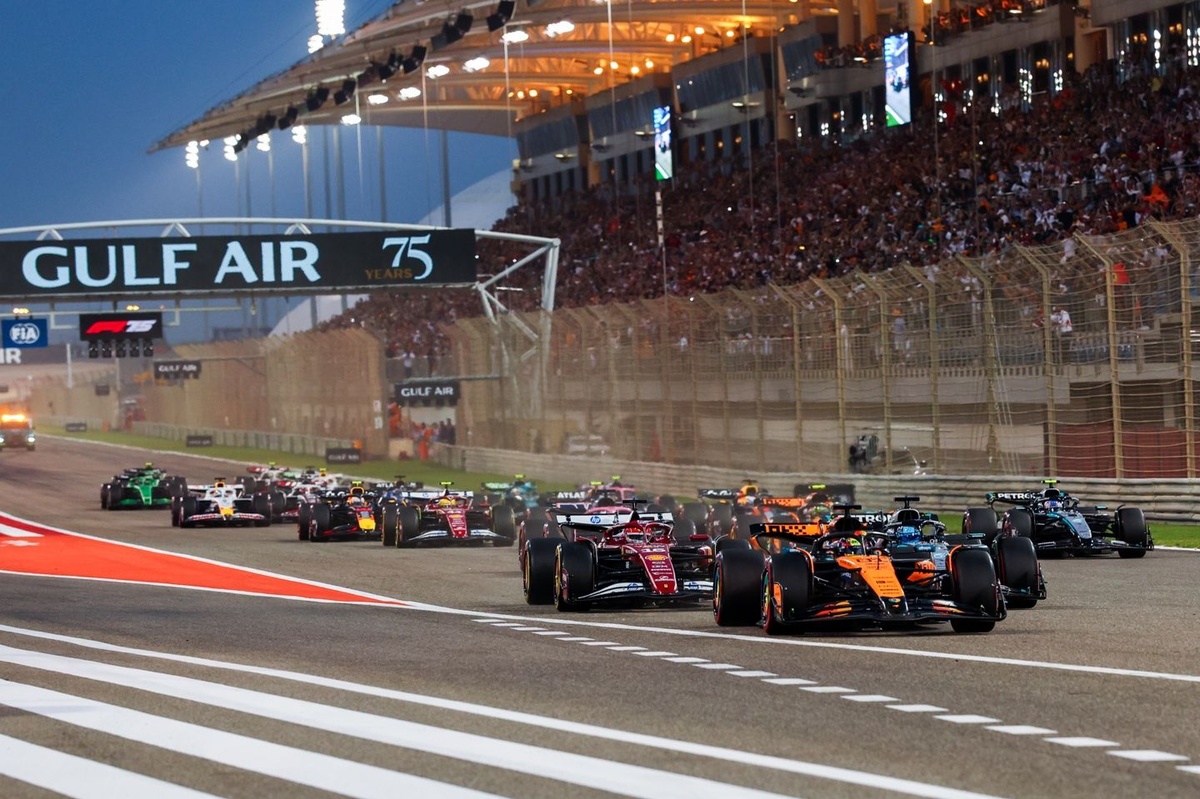
The official confirmation of the Bahrain and Saudi Arabian Grand Prix cancellations, driven by ongoing Middle East unrest, plunged Formula 1 teams into a frantic reassessment of their entire season strategy. While the logistical headache of stranded freight in Bahrain is a significant immediate concern, the deeper sporting and financial implications are far more profound, especially with the 2024 regulations pushing a relentless development race.
Upgrade Headache: Teams Scramble to Adapt
Every team on the grid plans its development cycle meticulously, often earmarking specific races for significant car upgrades. The loss of these two early-season events throws those carefully crafted plans into disarray. Many teams had new parts in the pipeline, hoping to use the established data from Bahrain winter testing to accurately assess performance gains.
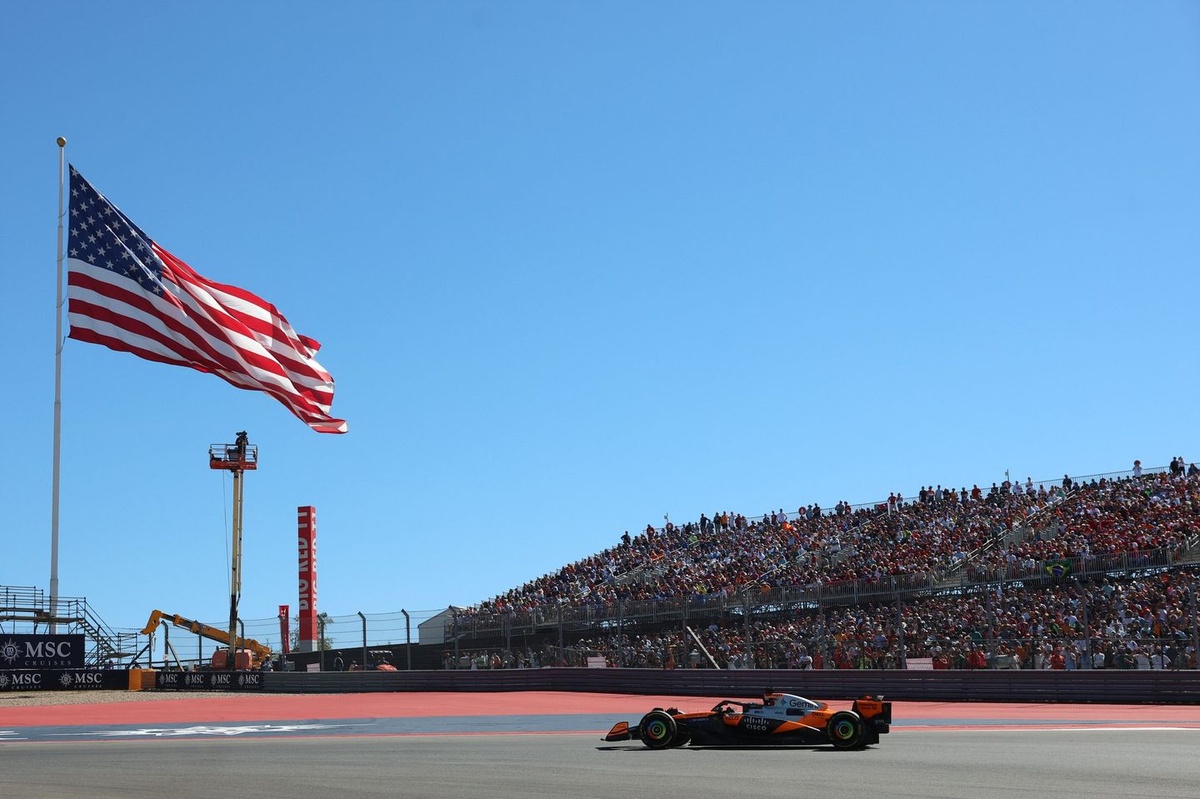
Now, those upgrades must be pushed back, likely to the upcoming American continent races in Miami or Montreal. This isn't just a timing issue; it's a financial one. As Alpine managing director Steve Nielsen emphasized, every shipment, every cardboard box, now counts against the restrictive budget cap. Teams must weigh the performance benefit against the cost of expedited shipping.
Oscar Piastri of McLaren highlighted another critical factor: the current focus on understanding and optimizing the power unit and energy management. The extra time, though disruptive, could offer a brief reprieve for engineers to fine-tune these complex areas before new hardware is introduced.
Engine Power Play: The ADUO Conundrum
A critical element of F1's new technical regulations is the Additional Development and Upgrade Opportunities (ADUO) system, designed to help manufacturers lagging in engine performance catch up. Originally, engine power was to be assessed after every six races, with underperforming manufacturers granted one or two additional upgrade tokens.
Honda, in particular, was rumored to be in line for such an opportunity, with figures like Adrian Newey hinting at their need for a significant power unit step. The cancellation of two races, however, disrupts this six-race cycle, leaving the FIA to scramble for a solution.
The governing body is currently reviewing options, from strictly adhering to the six-race count (shifting the first upgrade window to Monaco) to segmenting the revised 22-race calendar by dates. The decision will have direct implications for the competitive balance of the grid, especially for those seeking to close the engine performance gap.
Mercedes' Compression Ratio: Advantage Cut Short?
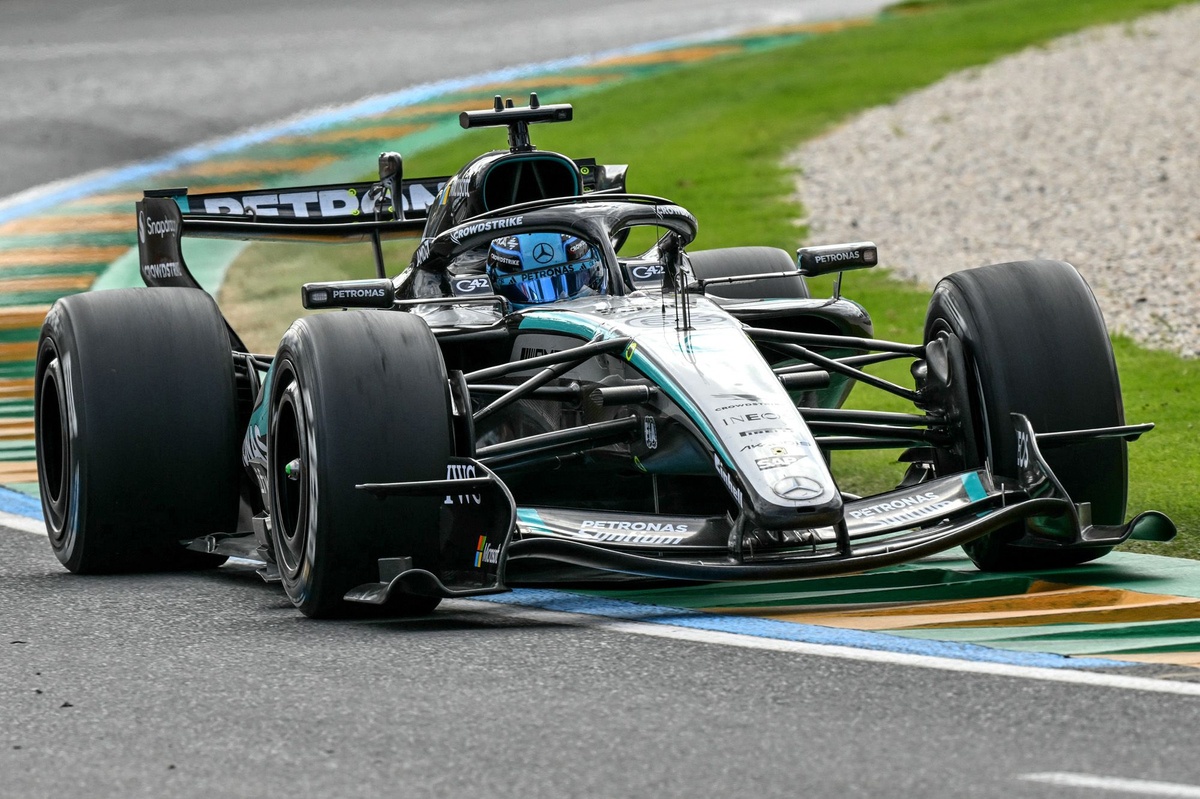
Perhaps one of the most intriguing consequences involves the hotly debated compression ratio rules. Mercedes had faced scrutiny over their ability to achieve a higher compression ratio during track running compared to static tests.
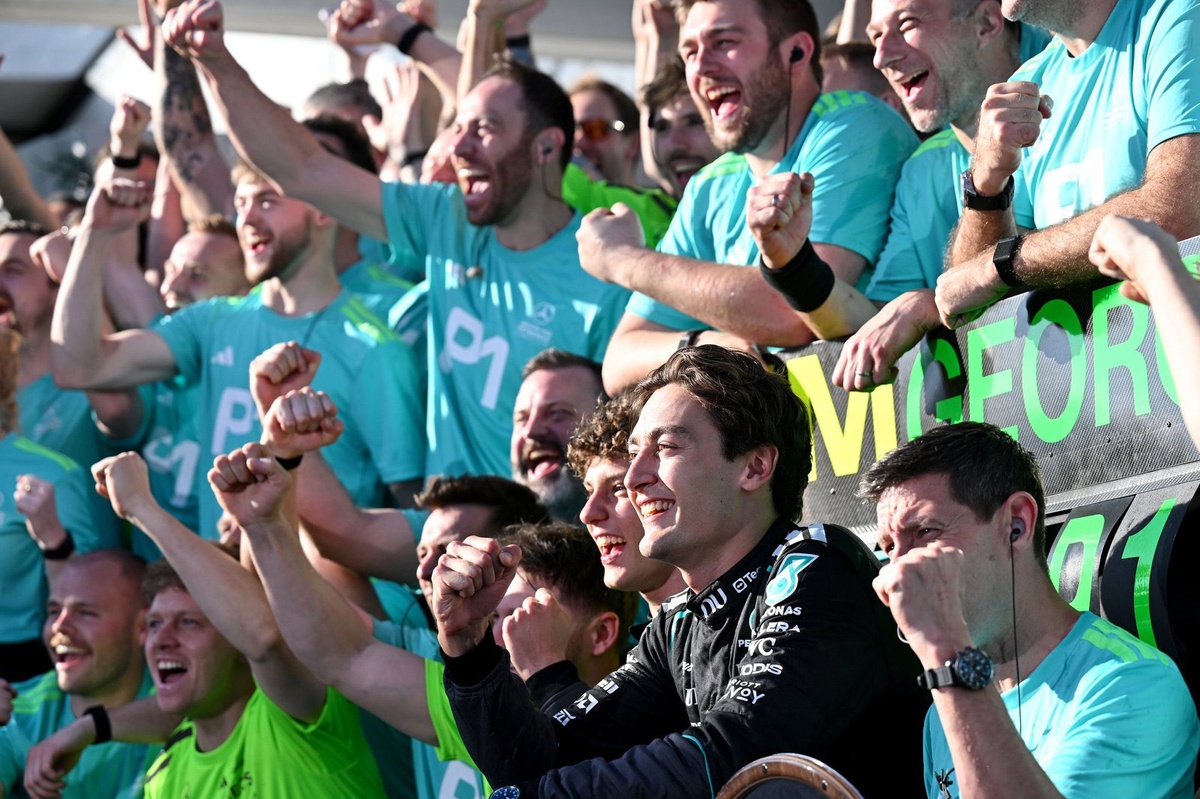
The FIA ultimately brokered a compromise, introducing an additional hot engine compression ratio test from June 1st. Crucially, the cancellation means that instead of seven races, teams now have only five races (including Australia and China) before this new test comes into effect. This significantly shortens the window where Mercedes could potentially exploit any perceived advantage.
While some reports dramatically overstated Mercedes' on-track gains from this technicality, the reality is more nuanced. The team's overall performance strength is multi-layered, encompassing efficiency, chassis, and aero. Indeed, paddock whispers suggest Mercedes may not even require major hardware changes to comply, reinforcing Toto Wolff's initial assessment of the controversy as