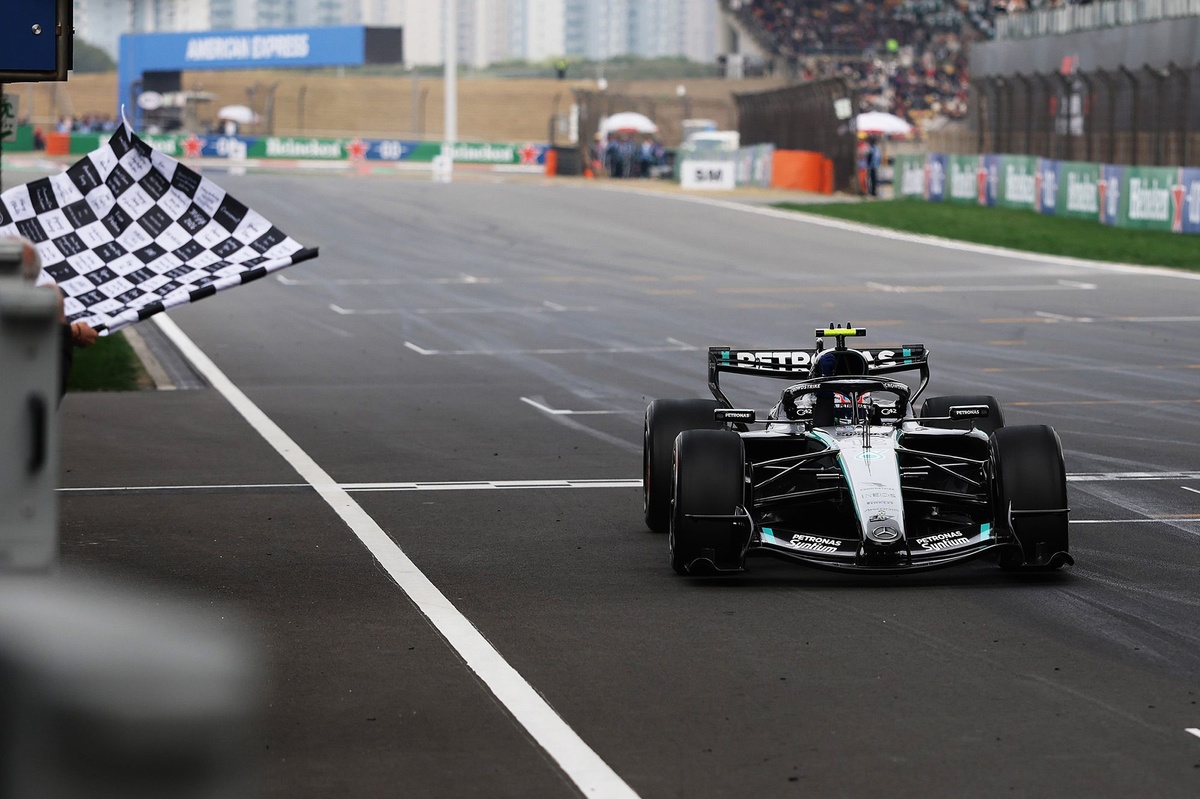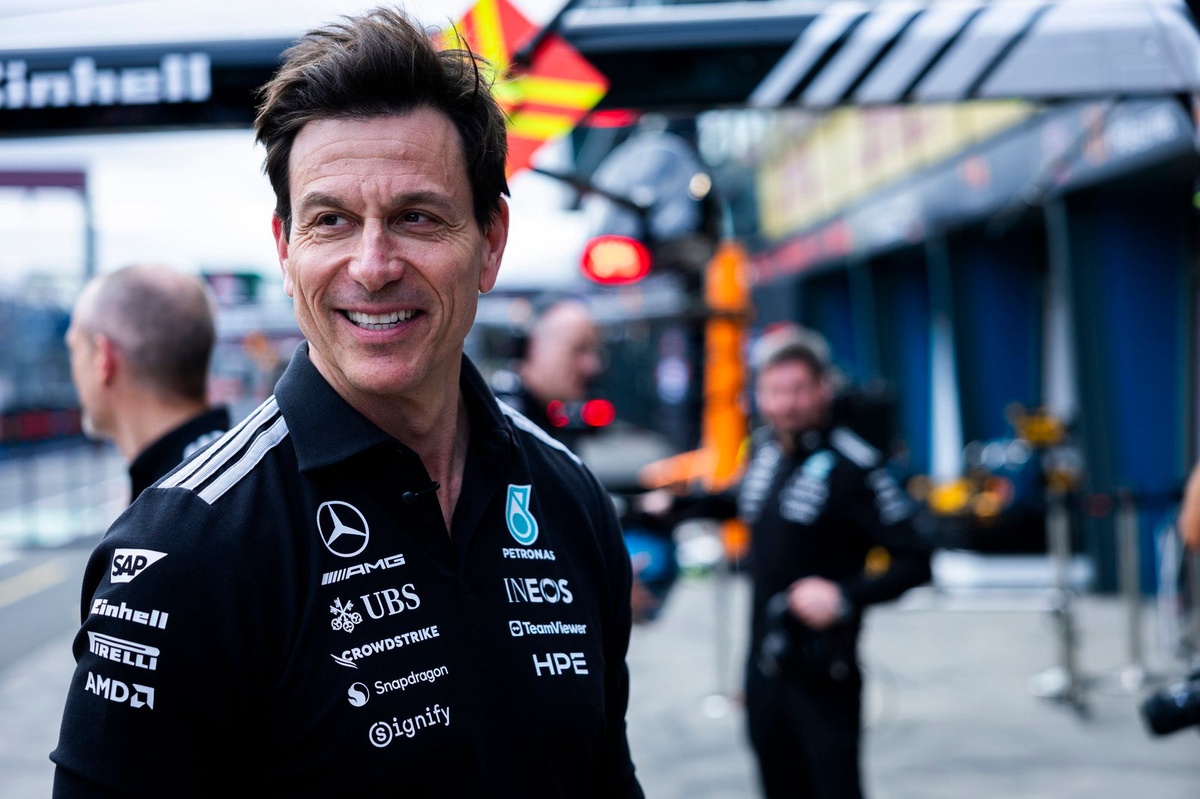
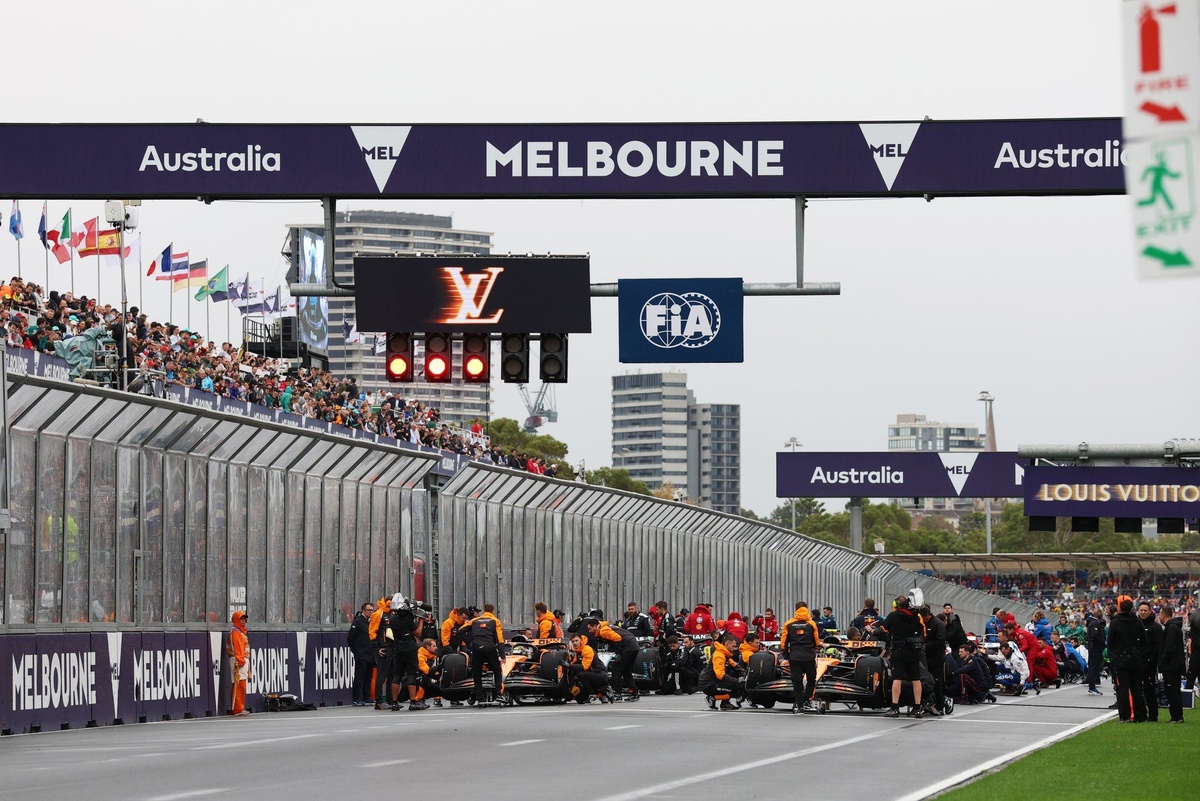

The murmurs are growing into a roar: Formula 1's 2026 regulations face their first true crucible, and it's shaping up to be a brutal one at the Albert Park Circuit in Melbourne. What was merely a concern in Bahrain is poised to become a full-blown energy crisis Down Under, threatening the pure, unadulterated speed F1 fans crave.
Key Points:
- Max Verstappen and other drivers predict severe energy management challenges at "harvest-poor" circuits like Melbourne and Jeddah.
- The 2026 F1 regulations demand excessive "lift and coast" on high-speed tracks, leading to "unnatural" driving.
- FIA is under pressure from drivers like Carlos Sainz to remain "open-minded" about adjustments.
- Potential "Plan B" fixes include increasing "super clipping" from 250kW to 350kW or reducing electrical deployment power.
The Champions' Dire Prophecy: Verstappen's Warning Rings True
It began with Max Verstappen. The reigning champion, never one to mince words, warned that while Bahrain International Circuit might mask the issues, Melbourne would expose the raw truth of the 2026 F1 regulations. He foresaw cars "running out of energy on the straights" – a prospect that chills any racing fan to the bone.
This isn't just one driver's opinion. Rising stars Oliver Bearman and home hero Oscar Piastri have echoed these sentiments, having wrestled with the virtual versions of the new machinery. Their simulator sessions paint a stark picture: Albert Park demands a driving style fundamentally at odds with the current regulations.
Why Melbourne is the Ultimate Energy Gauntlet
Albert Park presents a unique challenge for the 2026 F1 cars. Unlike tracks with heavy braking zones that allow for efficient energy harvesting, Melbourne is a "harvest-poor" circuit. As Oliver Bearman explained, drivers simply cannot recover enough energy.
Oscar Piastri, a native of Melbourne, described the simulator experience as "very different." He highlighted that without aggressive "super clipping" or "lift and coast," cars would be "running out of energy very, very quickly." This means drivers will be forced into "unnatural" actions to maintain power, potentially compromising lap times and race excitement. Jeddah Corniche Circuit is another track expected to suffer similarly.
A Call for Flexibility: Drivers Urge FIA Action
The concerns extend beyond the cockpit. McLaren Team Principal Andrea Stella distinguishes between "harvest-rich" and "harvest-poor" circuits, underlining the core problem. He noted that in Bahrain, drivers could harvest effectively under braking, but Australia would demand "uncommon ways of driving a car." This isn't just about efficiency; it's about preserving the essence of F1 racing.
Carlos Sainz, a respected voice within the paddock, has urged the FIA and FOM to adopt an "open-minded" approach. He fears the regulations might be "a bit exaggerated" and lead to a compromised spectacle. The message is clear: the spirit of F1 demands flat-out racing, not tactical energy conservation on every straight.
The FIA's 'Plan B': Super Clipping to the Rescue?
Thankfully, the FIA isn't deaf to these pleas. Nikolas Tombazis, the FIA's single-seater director, acknowledged the potential for "adjustments as we learn about the cars." While no immediate changes are planned before the season opener – a sensible move to avoid further uncertainty – options are on the table.
Two primary "short-term fixes" are being discussed. One involves reducing the electrical power deployment in race trim from 350kW to 250kW, potentially alleviating mid-straight energy deficits. The other, and more talked-about solution, is increasing the "super clipping" limit.
Decoding 'Super Clipping': A Technical Lifeline?
"Super clipping" is a crucial, if technical, concept. As Andrea Stella elaborated, it's when the electrical engine can harvest energy even while the driver is at full throttle. The current limit is 250kW, but increasing this to 350kW would mean drivers wouldn't have to "lift and coast" as much to recharge.
McLaren successfully tested this increased super clipping during the final day of Bahrain testing, finding no major issues. However, concerns remain for power unit manufacturers like Honda, who might face additional challenges. Ultimately, the FIA will decide if this technical adjustment becomes a regulatory reality.
Melbourne and Beyond: The True Test Awaits
The opening races, particularly Melbourne and the subsequent Jeddah sprint weekend, will serve as vital data points. They will show whether the 2026 F1 regulations can deliver the thrilling racing fans expect on high-speed, harvest-poor circuits. The pressure is on the FIA to act decisively if the spectacle suffers.
Fans and teams alike will be watching intently. Will Formula 1 adapt, or will the "unnatural" become the new normal? The future of F1's electric era hangs in the balance, and Melbourne is about to deliver its verdict.