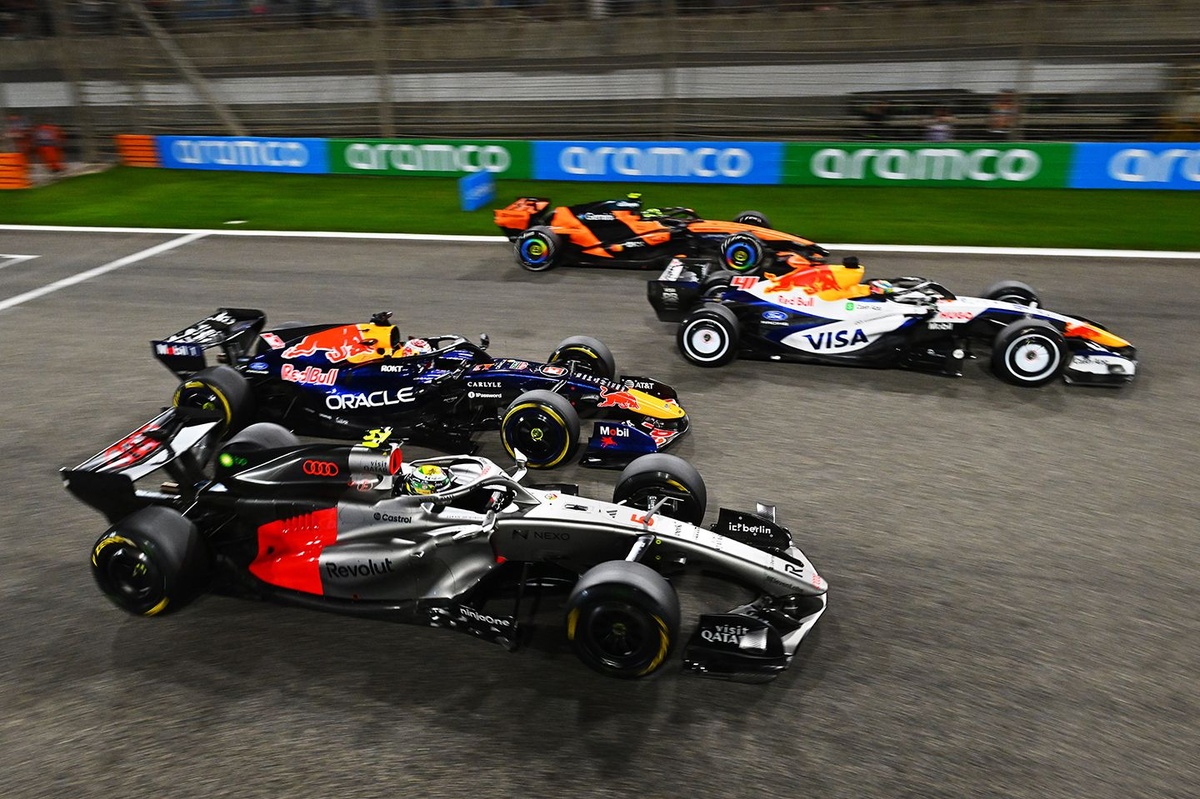
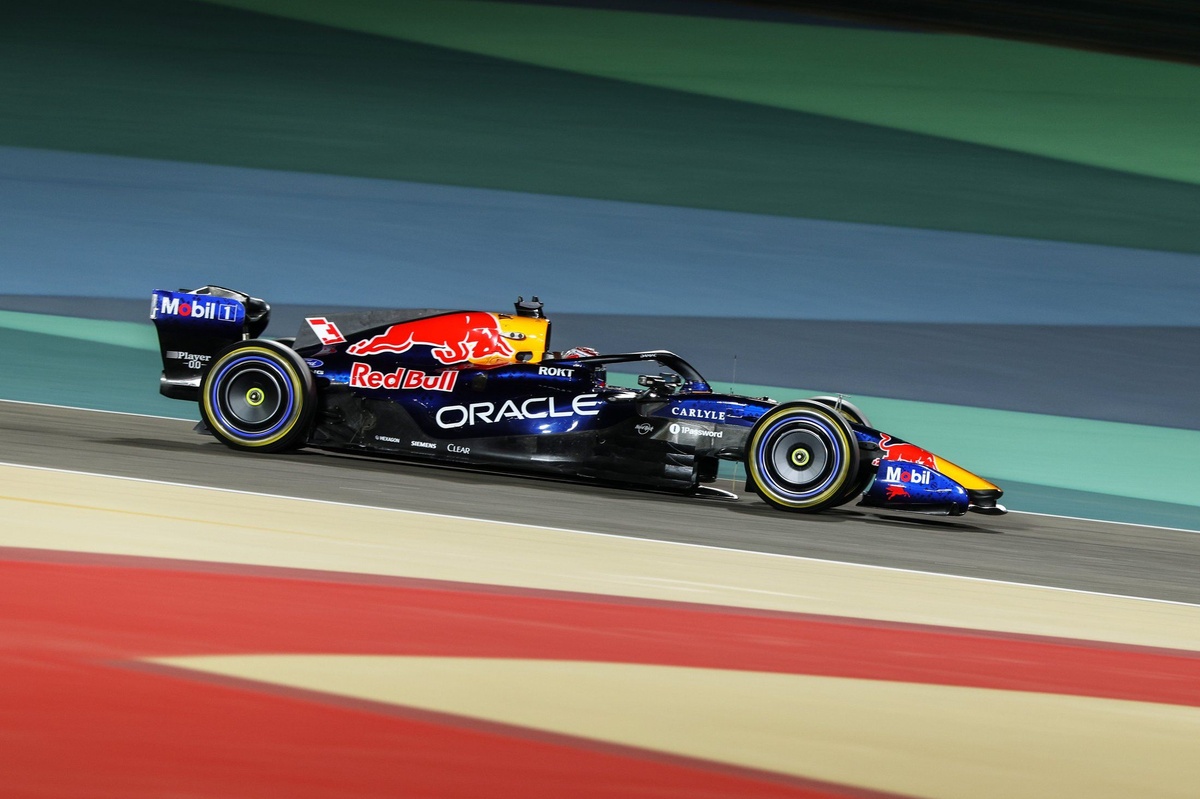

The battle for F1 supremacy in 2026 is already heating up, and if George Russell's observations from pre-season testing are any indication, Red Bull Racing has once again stolen a significant march on the competition. The Mercedes-AMG Petronas F1 Team driver is adamant that Red Bull holds the definitive edge in energy deployment, a critical factor under the radical new power unit regulations.
- Red Bull's energy deployment is identified as the grid's strongest by George Russell.
- The 2026 F1 regulations emphasize electrical energy, making battery harvesting paramount.
- Drivers like Max Verstappen and Lando Norris are divided on the controversial "downshifting on straights" concept.
- Despite Mercedes' progress, concerns linger over Red Bull's early technical advantage heading into the Melbourne season opener.
The Energy Revolution: F1's 2026 Power Shift
The upcoming 2026 Formula 1 season promises a seismic shift in technical regulations, particularly concerning the power units. With a greater emphasis on electrical energy, battery harvesting will transition from a nuanced advantage to a cornerstone of race strategy. This change demands innovative solutions, and it appears Red Bull has hit the ground running.
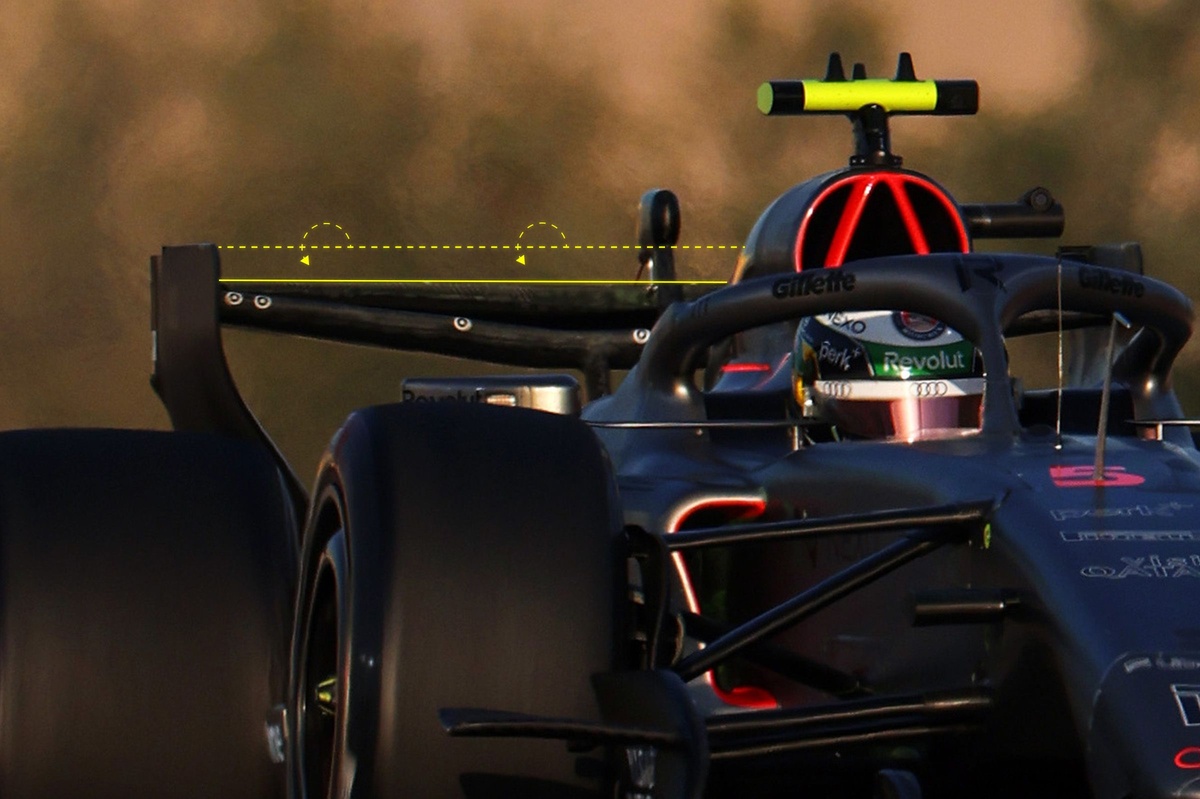
This new era means that how teams manage and deploy energy will be more crucial than ever before. Drivers might even need to engage in "downshifting on straights" to maximize battery regeneration, a prospect that has ignited considerable debate within the paddock.
Driver Debate: Fun or Farce?
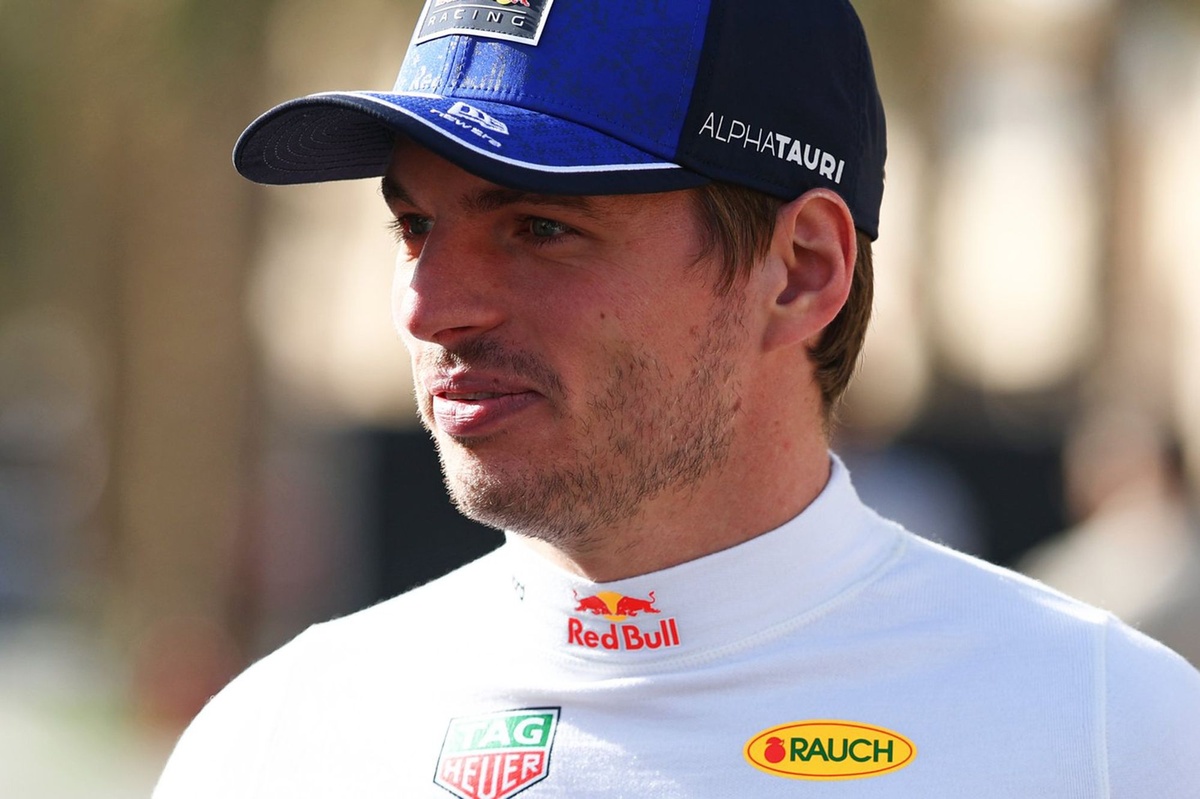
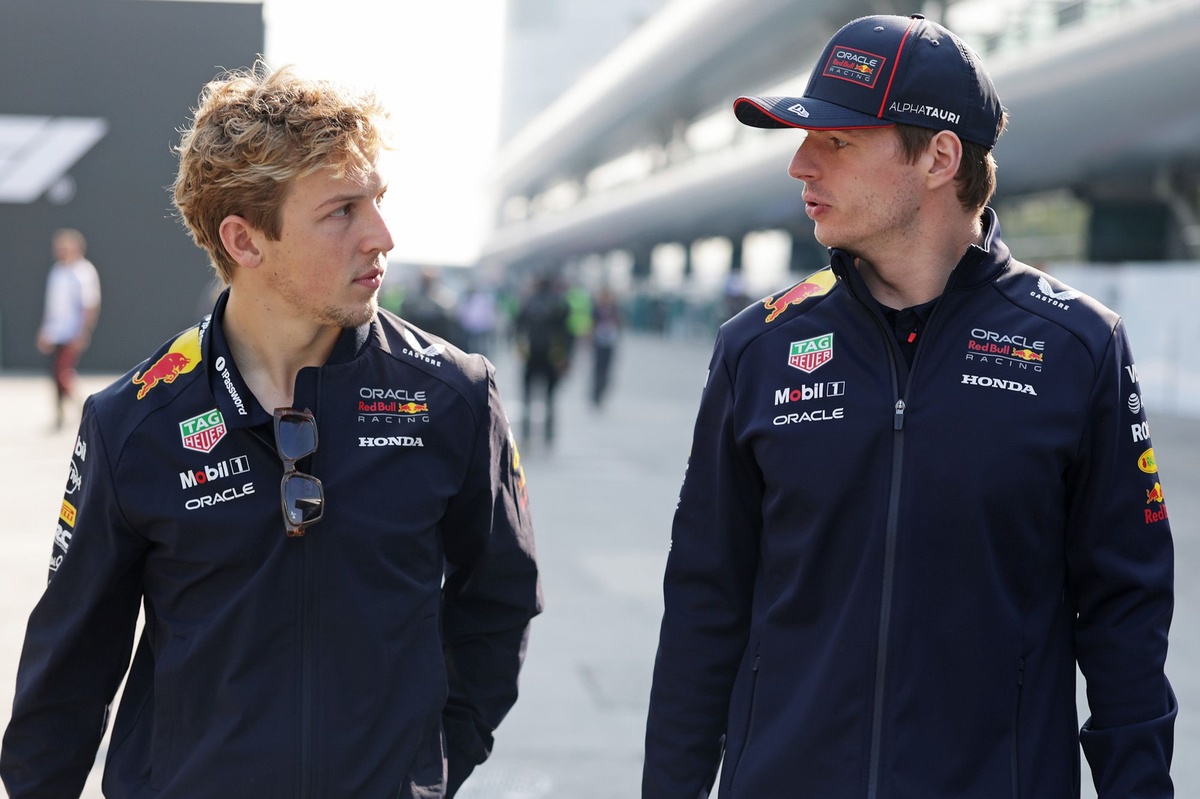
The potential for drivers to manually influence energy harvesting through unusual techniques has sparked strong reactions. Red Bull's triple world champion, Max Verstappen, famously likened the experience to "Formula E on steroids," expressing concerns that it could detract from pure racing.
Conversely, McLaren's Lando Norris has voiced a more optimistic view, suggesting it could be "a lot of fun" and add another layer of challenge for the drivers. This divergence in opinion highlights the profound impact the new rules could have on the racing spectacle.
Red Bull's Secret Weapon: Unpacking Russell's Concerns
For Mercedes driver George Russell, the data from pre-season testing in Bahrain painted a clear picture. Despite early optimism from some quarters, Red Bull's in-house developed power unit appears to have set a new benchmark for energy management. Russell echoed sentiments previously shared by his team principal, Toto Wolff, who had already labeled Red Bull's engine as "the benchmark" that Mercedes struggled to match.
"Their deployment definitely still looks the best on the grid, which is kudos to them and I think was a bit of a surprise to everybody," Russell stated, acknowledging Red Bull's technical prowess. While he noted that "Mercedes-powered teams have made a lot of improvements... that gap has closed drastically" since the early days of testing, a palpable sense of unease remains regarding the reigning champions' head start. The limited track time in testing versus the extensive practice sessions at a race weekend like Melbourne amplifies these worries.
Track Dynamics: Why Testing Tells Only Half the Story
It's vital to remember that pre-season testing provides only a snapshot. The unique characteristics of a circuit like Bahrain, with its numerous straights, offer different energy harvesting opportunities compared to more flowing tracks. McLaren driver Oscar Piastri elaborated on this, explaining how certain circuits will present greater challenges for energy management.
"At certain tracks we're going to be much more harvest-limited than we are here," Piastri commented from Bahrain. He highlighted circuits like Jeddah and Melbourne as examples where "if you didn't want to do any [lift-and-coast], you'd be running out of energy very, very quickly." The complexity of managing these new power units, especially where fast corners link straights, will undoubtedly be a significant variable throughout the 2026 F1 season, making the early advantage of Red Bull even more intriguing.