
The Great Debate: Flawed Vision or Strategic Evolution?
The 2026 Formula 1 regulations have ignited a firestorm of debate, splitting the paddock and fan base right down the middle! What began with defensive statements from F1 CEO Stefano Domenicali after shaky Bahrain testing and an unconvincing Australian Grand Prix, found a surprising spark in Shanghai. The question isn't whether the rules are perfect, but whether their controversial racing dynamics are here to stay.
- Qualifying's Downfall: Battery management has severely impacted the raw speed and spectacle of a single-lap qualifying session.
- Divisive Racing: While Lewis Hamilton finds the new racing engaging, Max Verstappen has voiced strong criticism, calling it artificial.
- Commercial Imperative: Formula 1 leadership, notably Toto Wolff, prioritize fan engagement and commercial appeal over driver sentiment.
- Inevitable Evolution: The regulations are a "fundamentally flawed compromise" but offer a reasonable starting point for future adjustments.
Qualifying: A Crushing Blow to Pure Pace?
For many, the soul of Formula 1 qualifying has been compromised. Drivers are now forced to strategically manage their batteries, often "coasting" through critical corners, rather than pushing the car to its absolute limit. This "clipping and harvesting" during a hot lap fundamentally undermines what qualifying should be: a pure test of driver and machine against the clock. Even **Mercedes** boss **Toto Wolff**, whose team is currently benefiting from these regulations, admits changes are urgently needed.
The Grand Prix Grind: Artificial Thrills or Enhanced Strategy?
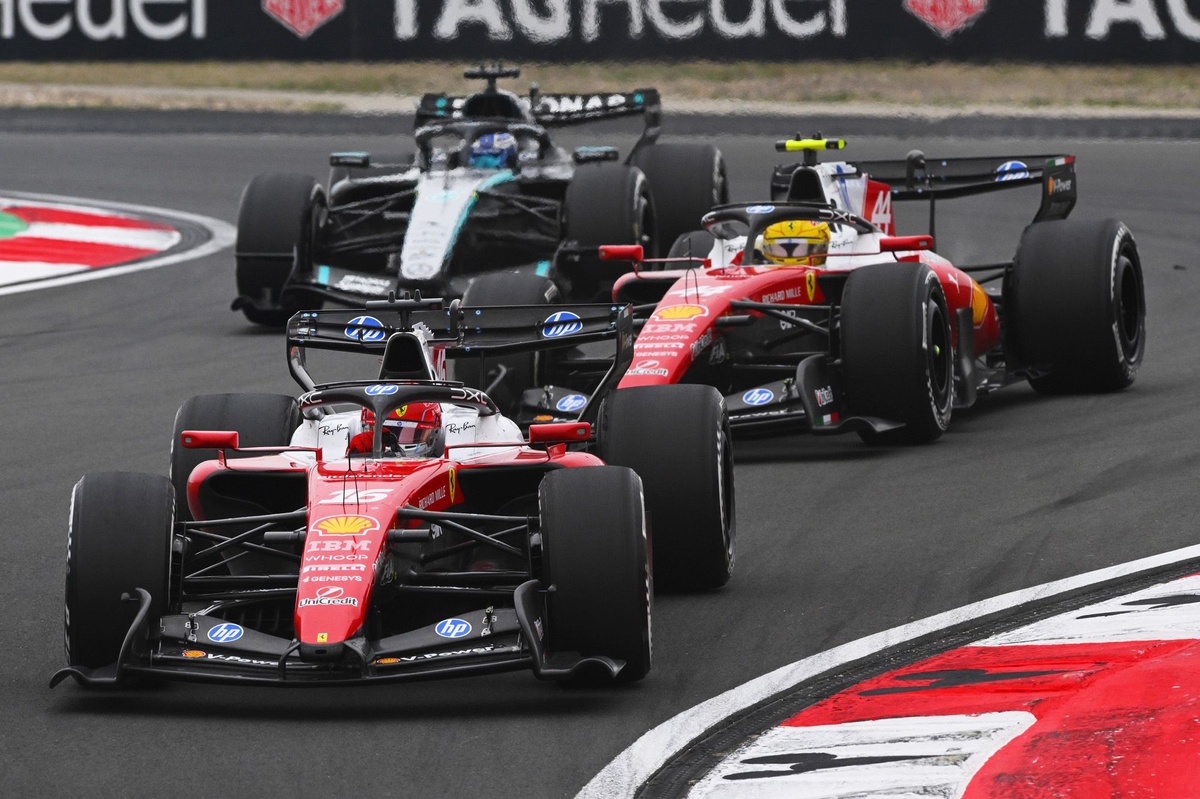
The actual racing itself presents a more nuanced picture. While some compare the battery-led racing to the often-criticized "artificial" boost of DRS, it undeniably introduces a new layer of strategic depth. Drivers must meticulously plan their overtakes and defenses, weighing aggression against energy conservation. This shift rewards tactical thinking as much as raw speed, a dynamic seen in other series like **IndyCar**, where thrilling, calculated lunges still captivate fans. It’s a different kind of challenge, and for some, an exciting one.
The Business of Speed: F1's Unwavering Direction
Despite the vocal criticism from some of its biggest stars like **Max Verstappen**, Formula 1 is ultimately a commercial powerhouse. **Liberty Media** and **F1 CEO Stefano Domenicali** are keenly focused on fan data and engagement metrics. If the numbers indicate that the new rules are delivering exciting races and attracting new viewers, the sport's leadership will likely stand firm. As **Toto Wolff** bluntly stated, "all the indicators say and all the data say people love it." This commercial reality means driver sentiment, while important, plays a secondary role to the broader appeal of the spectacle.
Charting the Future: Adapt, Adjust, and Accelerate
The **2026 F1 regulations** are neither a perfect triumph nor an utter disaster. They represent a significant compromise, shaped by the demands of major manufacturers. However, this doesn't mean they're set in stone. Expect ongoing adjustments, with potential tweaks as early as the **Miami Grand Prix**. The sport's stakeholders are already working behind the scenes to refine these rules, aiming to restore qualifying's glory, address safety concerns, and strike a better balance between energy management and flat-out racing.
Ultimately, these regulations are here to stay. Instead of lamenting the changes, **Formula 1** fans and teams alike will need to adapt. Finding the joy in this new, more strategic era of racing might just be the best way forward. It’s a new reality, and the thrill of the chase continues, albeit with a different set of rules.