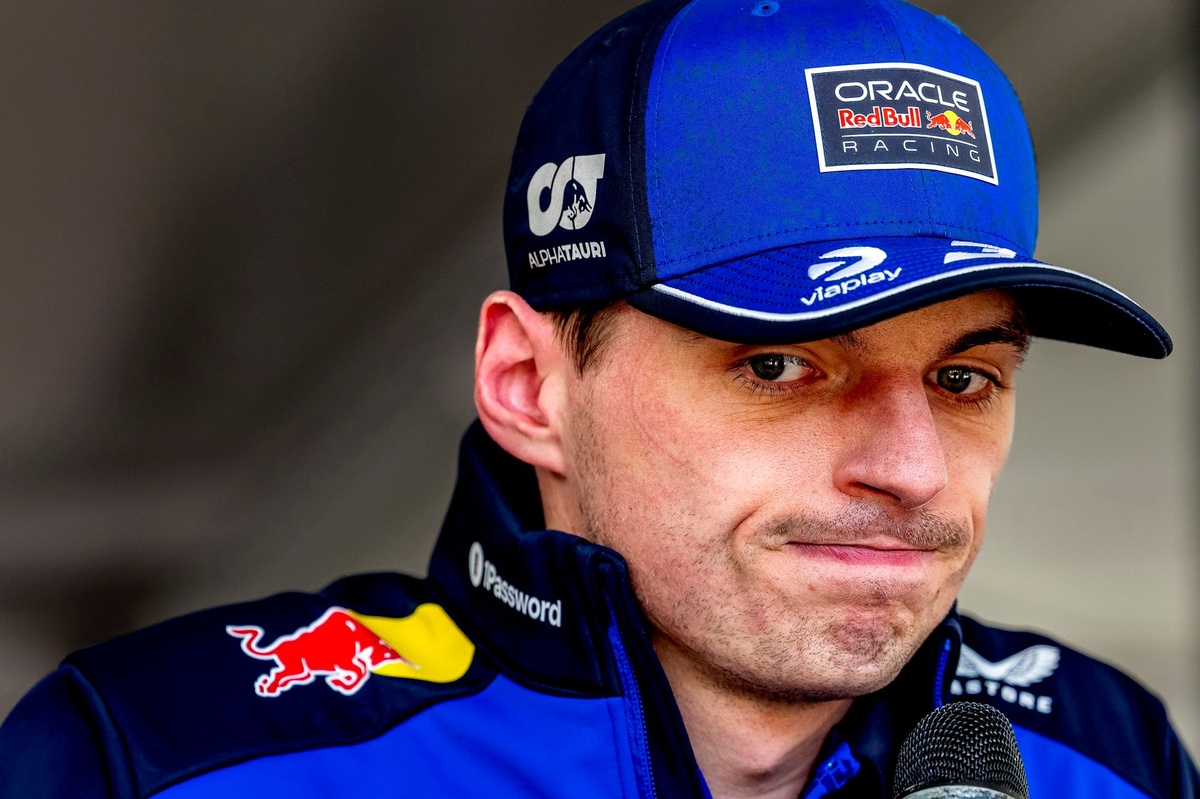

Is Max Verstappen's fiery condemnation of the 2026 F1 regulations truly about the rules themselves, or is there a deeper, more immediate frustration at play? Jonathan Wheatley, the new Audi F1 Team Principal and former Red Bull Racing stalwart, offers an unvarnished truth: Verstappen's blistering comments are likely a reflection of where Red Bull finds itself amidst the current season's challenges.
- Jonathan Wheatley (Audi F1) suggests Max Verstappen's critical view of the 2026 F1 regulations is tied to Red Bull's ongoing performance struggles.
- Verstappen has branded the future formula "anti-racing" and "Mario Kart" due to anticipated energy management complexities.
- Audi, a major proponent of the 2026 power unit revolution, is actively collaborating with the FIA to optimize the regulations.
- Other F1 drivers, including Lewis Hamilton, have recently expressed enjoyment over the quality of racing on track, offering a contrasting perspective.
Unpacking Verstappen's 'Anti-Racing' Rant
Max Verstappen has pulled no punches regarding the 2026 F1 regulations, which promise a dramatic shift towards a near-50:50 split between electrical and combustion power. He has vociferously labeled the proposed changes "terrible," "anti-racing," and even likened the experience to "playing Mario Kart." His primary concern revolves around the extensive energy harvesting requirements, which he fears will lead to repetitive "boosting past, then running out of battery" scenarios. This Red Bull Racing champion's strong words highlight widespread driver apprehension about the impact on pure racing spectacle.
The Red Bull Connection: A Former Colleague's View
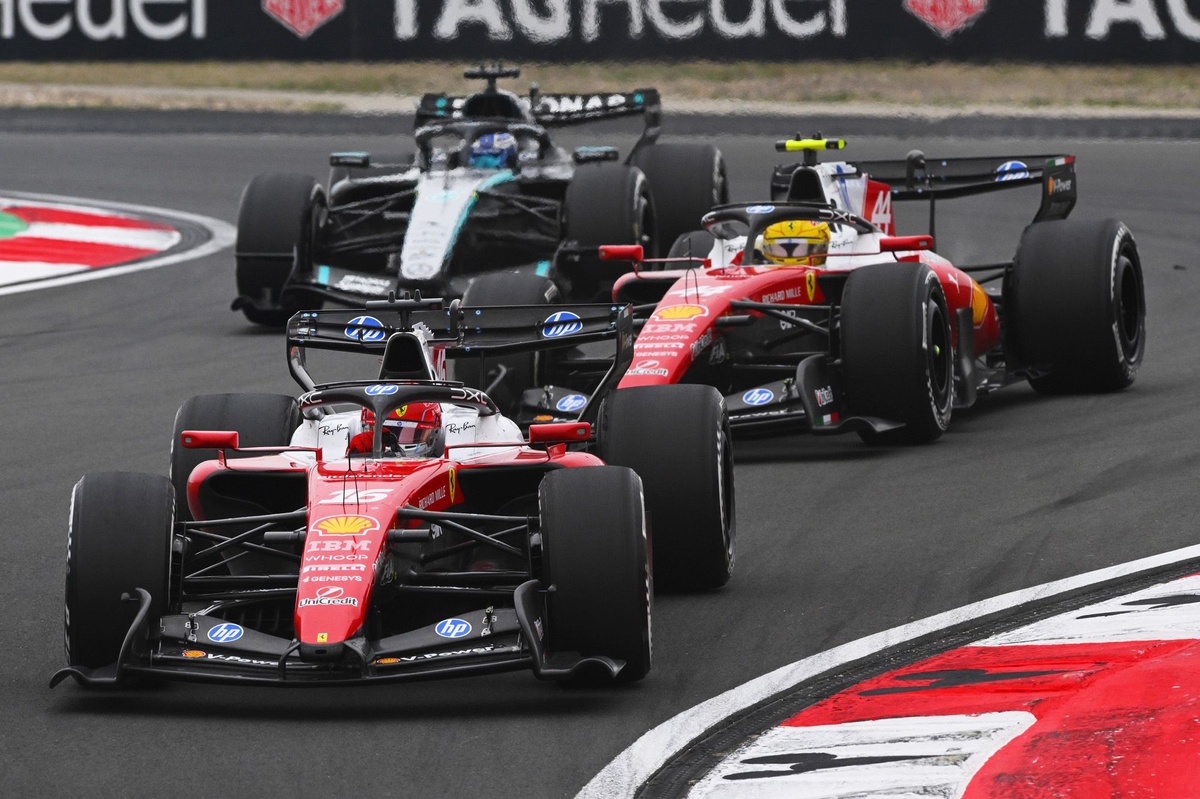
Jonathan Wheatley, now leading Audi's F1 charge and formerly a key figure at Red Bull Racing, understands Verstappen's mindset intimately. He posits that the current competitive landscape significantly influences the Dutchman's outlook. "If you can't win, then if you can just race cleanly... I have to say, it didn't look to me like any kind of false racing," Wheatley remarked, referring to recent events where drivers like Lewis Hamilton (Mercedes) and the Ferrari duo (Charles Leclerc, Carlos Sainz) praised the intensity of their on-track battles. Wheatley believes Verstappen's frustration is rooted in Red Bull's perceived difficulties, rather than an objective assessment of future racing.
Audi's Vision: Embracing the Electric Future
For Audi, the 2026 F1 regulations are a cornerstone of their entry into the sport. The German powerhouse was specifically drawn to the innovative power unit architecture, which emphasizes increased electrical power and sustainable fuels. This commitment to the future sets Audi apart from the skepticism voiced by some established teams and drivers. They view the new technical roadmap as an exciting challenge and a crucial step for Formula 1's evolution.
Fine-Tuning the Future: Collaboration with the FIA
Despite the differing opinions, the FIA and various teams are actively addressing concerns surrounding the 2026 F1 regulations. Issues such as erratic starts and the need for energy harvesting even on qualifying laps are being evaluated. Audi has positioned itself as a constructive partner, engaging openly with the FIA to find solutions. Jonathan Wheatley confirmed their proactive stance, stating they've "tried various solutions" and are committed to helping "make that happen" if any changes are deemed necessary to ensure thrilling, competitive racing. The goal remains to deliver a formula that balances technological advancement with unadulterated sporting excitement.