Formula 1's future, specifically the highly anticipated 2026 regulations, is already igniting fierce debate amongst the sport's elite, but Racing Bulls star Liam Lawson offers a refreshingly candid take: drivers, he argues, are simply wired to complain. Yet, even Lawson acknowledges that beneath the surface-level grumbling lie some deeply valid concerns, particularly regarding safety and performance.
Key Takeaways from the 2026 F1 Debate:
- Liam Lawson believes F1 drivers are inherently critical of new rules and will "complain about everything."
- The 2026 F1 regulations mandate smaller, lighter cars with a greater emphasis on electrical energy in the power units.
- Concerns over safety, particularly after Oliver Bearman's high-speed crash at Suzuka, are a significant priority.
- Current F1 cars are noticeably two seconds slower in qualifying, fueling an intense development race to regain pace.
The Rulebook Rumble: F1's Future Sparks Controversy
The impending 2026 F1 regulations, designed to usher in a new era of smaller, lighter cars and a significantly ramped-up electrical power component, have become a lightning rod for criticism. This sweeping overhaul aims to make the sport more sustainable and competitive, but it hasn't landed without pushback from the grid's biggest names.
Championship titans like Max Verstappen have openly likened the future vision to "Formula E or Mario Kart," expressing strong reservations about the potential driving dynamics. Similarly, Lando Norris has also voiced his concerns about certain aspects of the evolving rulebook, highlighting a growing consensus of apprehension among elite drivers.
Lawson's Candid View: Drivers Just "Complain About Everything"
Liam Lawson, the talented Racing Bulls driver, doesn't shy away from admitting that his peers have a natural inclination to critique changes. "As racing drivers we kind of complain about everything, literally, so I think that'll never change," Lawson told media, offering a frank assessment of the driver mindset.
However, Lawson is quick to distinguish between general griping and genuine, pressing concerns. He emphasizes that valid issues exist, particularly regarding safety. The recent high-speed incident involving Oliver Bearman at Suzuka serves as a stark reminder of the inherent dangers, underscoring the urgent need for robust safety measures in any future car design.
The Quest for Speed: Performance Evolution and Safety Priorities
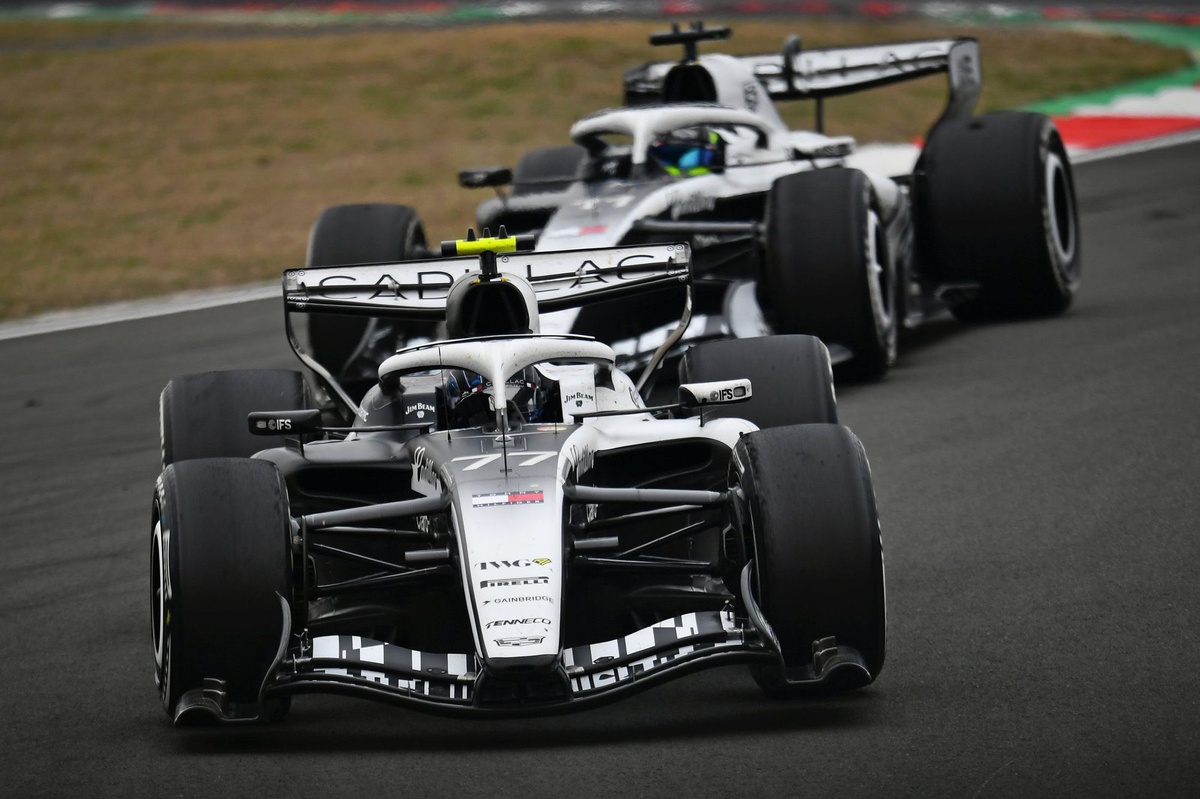
Fans have noticed a palpable drop in pace this season. Qualifying times have been consistently two seconds slower than previous seasons at every Grand Prix so far this year, a noticeable difference for both drivers and spectators. This performance deficit has ignited an urgent development race across the grid.
Teams are pouring resources into upgrades, hoping to shave precious seconds off lap times as early as the next race in Miami. Lawson remains optimistic, believing that this ongoing development will not only increase performance but also make the 2026 cars "nicer to drive" and allow drivers to truly extract their maximum potential.
Recognizing the escalating concerns, the FIA has already initiated crucial discussions with F1 and engine manufacturers. These "constructive dialogues" are focused on potential tweaks to energy usage and other vital aspects of the 2026 regulations, with further talks scheduled to ensure the sport evolves safely and spectacularly.
![Hong Kong pair spoil Tang Jie-Ee Wei's day [WATCH]](https://assets.nst.com.my/images/socialmedia/F9EDE5FB6F26416FDD86B2B93A888E96_data_1.jpg)