
Melbourne Unveils the New Era: Power & Pace
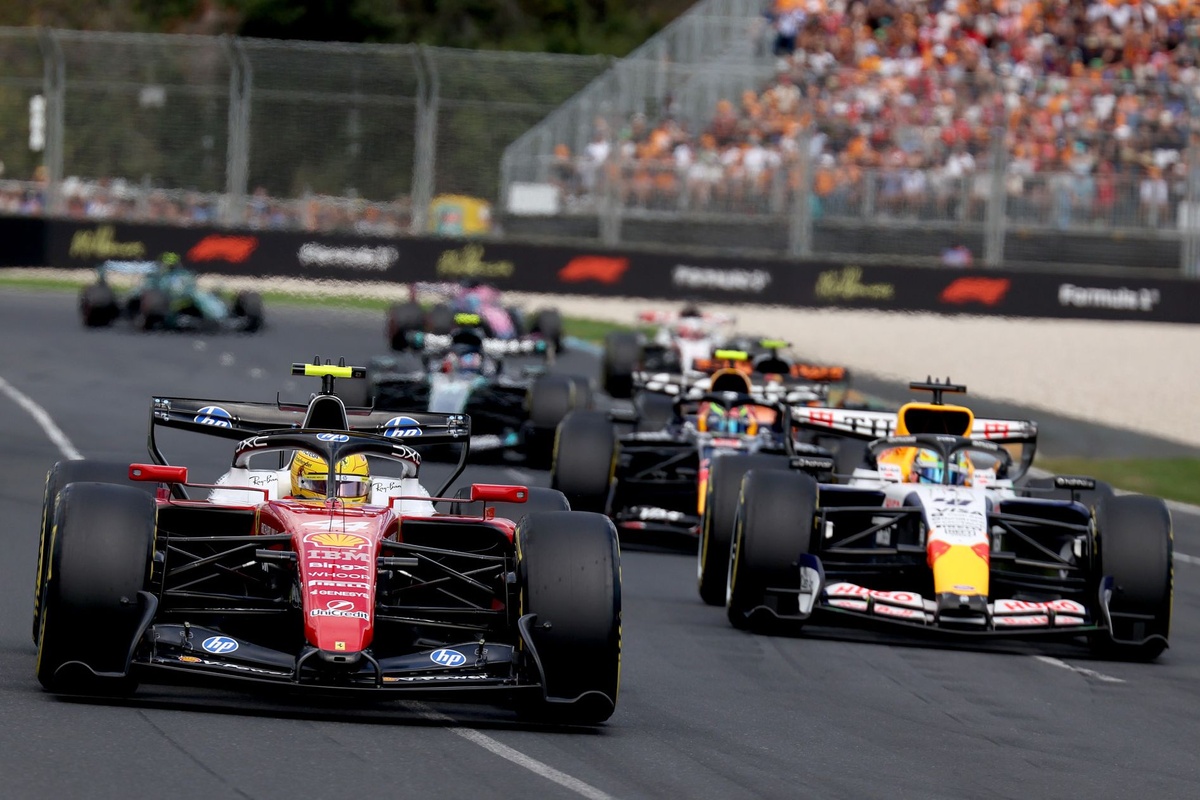
The Australian Grand Prix didn’t just signal the start of the 2026 season, it introduced a bold new chapter in Formula 1’s evolution. Under the latest 2026 regulations, cars now boast smaller, lighter designs with significantly updated power units that rely on a near 50:50 split between electrical energy and traditional internal combustion fuel. This hybrid overhaul aims to make the sport more sustainable while reshaping how races are won and lost on the track.
Beyond engines, the era ushers in active aerodynamics, movable front and rear wing elements that can optimize grip in corners and reduce drag on the straights, replacing the old DRS system entirely. These sweeping changes were on full display at Albert Park, offering fans a tantalizing preview of what’s to come.
Mixed Reactions: Drivers Weigh In on the New Cars
While the technical revolution impressed from an engineering standpoint, it divided opinions within the paddock, and sparked some of the season’s most heated comments yet.
Criticism from the Grid
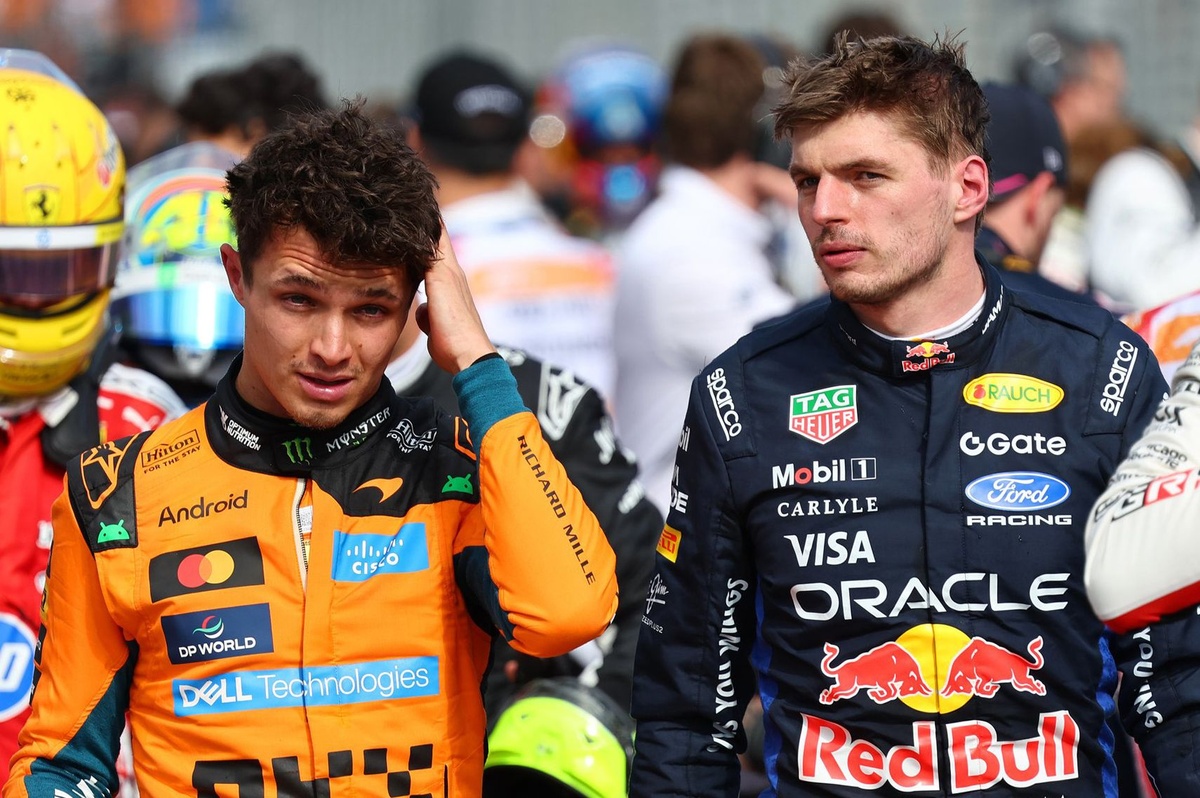
Several top drivers openly questioned the direction Formula 1 has taken with its new machinery. Lando Norris slammed the 2026 cars as potentially the “worst ever,” expressing frustration with how the hybrid focus changes the driving rhythm and demands constant management of electrical systems rather than pure speed.
Max Verstappen, similarly candid, described the cars as feeling more like “Formula E on steroids”, hinting that the emphasis on hybrid energy harvesting and deployment detracts from what many consider real wheel‑to‑wheel racing.
These complaints weren’t isolated. Other drivers have also voiced unease with the heavy reliance on energy strategy and button management, suggesting it may overshadow fundamental driving skills.
Defenders of the Change
Not all voices were critical. Australian GP winner George Russell urged patience, asserting that the new hybrid era deserves time before being judged, especially after Mercedes’ dominant performance showed how teams can adapt and still deliver exciting racing.
There’s growing sentiment among some team leaders and former drivers that while the hybrid blend complicates certain aspects, it also opens up new strategic challenges and could yield an unpredictable and engaging championship over the long haul.
Safety and Spectacle: Debate Beyond Speed
Drivers’ criticisms haven’t been limited to performance alone. Concerns have also been raised about potential safety implications and how the new power management systems affect on‑track behavior.
World champion Norris warned that the significant energy differentials cars can experience, especially with features like the new “overtake mode”, could increase the likelihood of accidents if drivers encounter unexpected speed changes mid‑lap.
Yet others maintain that a transitional period is normal after such a seismic technical reset and that teams and drivers will refine their approaches as the season progresses.
The Big Picture: Change in Motion
What’s clear after Melbourne is that Formula 1’s 2026 overhaul is more than cosmetic, it’s a philosophical shift in how the sport thinks about hybrid technology, sustainability, and racecraft. While opinions differ wildly among drivers and fans alike, there’s no denying that this new era has set the stage for intriguing battles both on and off the track.
As teams further develop their cars and strategies, the ongoing debate over whether these changes enrich or detract from F1’s core identity will likely shape headlines long after the chequered flag falls.