
Ferrari's Wet-Weather F1 2026 Active Aero Test Revealed
Formula 1's future is taking shape, and Ferrari just gave us a thrilling glimpse, pushing the boundaries of what's possible in challenging conditions! The secretive 2026 F1 shakedown at Circuit de Catalunya has provided invaluable insights, particularly from Charles Leclerc's groundbreaking wet-weather test of the new active aerodynamics. This isn't just a technical upgrade; it's a strategic move to redefine how cars manage power, downforce, and speed.
Key Takeaways from Ferrari's 2026 Aero Test:
- Ferrari's Charles Leclerc extensively tested the revolutionary 2026 "Partial Active Aero Mode" in the rain.
- The crucial evaluation took place during a closed-doors session at Circuit de Catalunya.
- This new aero state directly addresses concerns regarding hybrid energy drain and potential skid block wear.
- It represents a significant step forward in preparing for the radical 2026 Formula 1 technical regulations.
Rain-Soaked Revelation at Barcelona
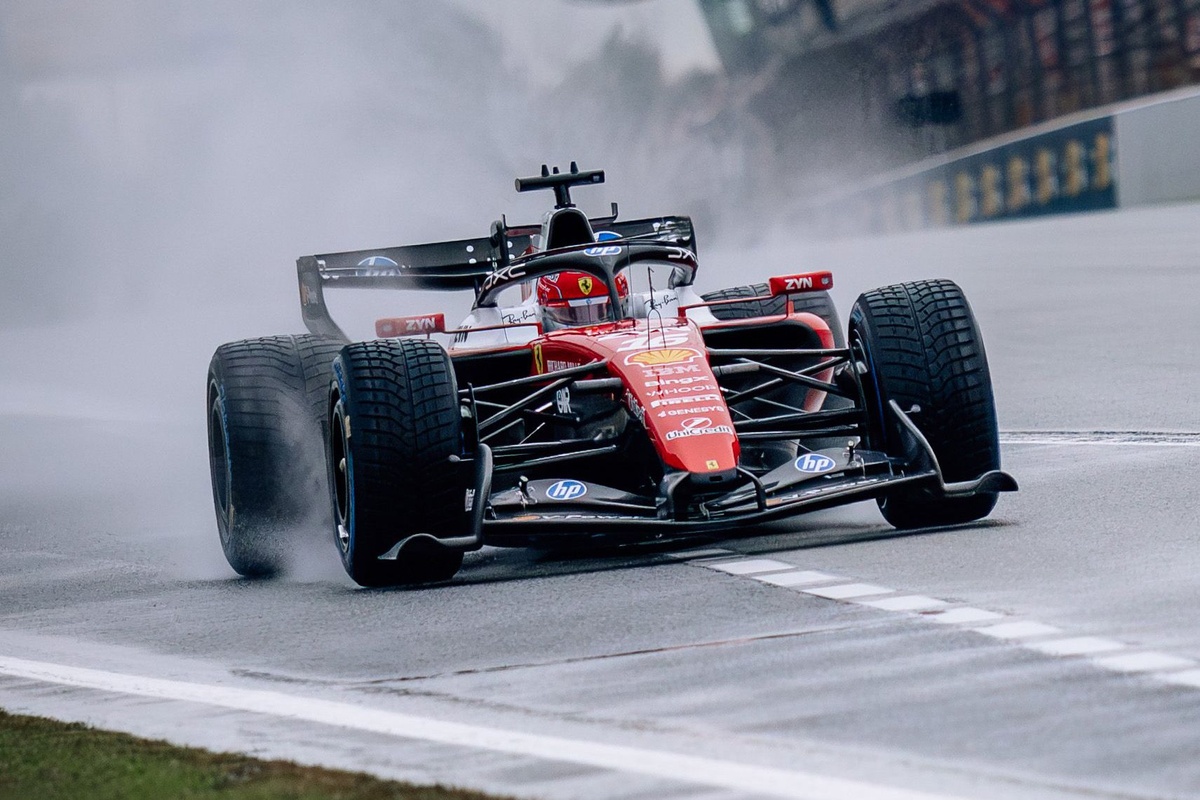
While many teams shied away from the damp Circuit de Catalunya, Ferrari embraced it. On the second day of the five-day 'shakedown', the Scuderia made the bold decision to send Charles Leclerc out in the rain, leveraging their allocation of Pirelli's new full wet tyres. This wasn't just about logging laps; it was a targeted mission to assess the revolutionary "Partial Active Aero Mode" under the most demanding conditions.
Leclerc's extensive running in the wet provided critical data on how the SF-26's new system performs when grip is minimal. This foresight by Ferrari could give them a crucial edge as teams grapple with the complexities of the upcoming regulations.
Unpacking the 2026 Active Aero Revolution
The 2026 season will usher in an era where active aerodynamics completely replace the venerable DRS. The core objective is clear: enhance efficiency on straights, reduce aerodynamic resistance, boost top speed, and significantly cut the energy demand on the cars' sophisticated hybrid systems. This transition marks a fundamental shift in how downforce and drag are managed throughout a lap.
Initially conceived as a simple 'on or off' system, the active aero concept has evolved. The latest draft of the regulations introduces a vital third state, the "Partial Active Aero Mode," which **Leclerc** evaluated. In this configuration, while the rear wing remains 'closed' (high drag), the second and third elements of the front wing flatten out. This intelligent design allows for a nuanced approach to aerodynamic performance, especially in variable conditions.
Why This "Partial Mode" Matters So Much
The introduction of this "Partial Active Aero Mode" is a direct response to two pressing concerns that surfaced during the drafting of the new regulations. Firstly, there was significant worry that running full downforce on straights – even with active aero engaged – could lead to excessive energy drain from the hybrid system. This would not only diminish the spectacle but also risk cars running out of battery power prematurely.
Secondly, and perhaps more controversially, the issue of skid block wear loomed large. Memories of **McLaren's** disqualification from the **Las Vegas Grand Prix** last season, due to excessive plank wear, highlighted the need for a solution. High downforce levels on straights, without careful management, could exacerbate this problem, leading to potential penalties. The "Partial Active Aero Mode" cleverly mitigates these risks, offering a balanced solution for both performance and regulatory compliance. It’s a testament to the sport’s commitment to innovation without compromising fairness or spectacle.