
A Soggy Welcome: Brazil's Chaotic Comeback
The image projected from Goiania was far from ideal, especially with Liberty Media leadership expected at the upcoming Austin GP. Almost three decades after the last Brazilian Grand Prix, MotoGP's return became a nightmare of torrential rains and local flooding.
The location itself proved a major vulnerability. Goiania lies in Brazil's tropical zone, where March historically records the year's highest rainfall. From Monday onwards, the deluge left significant parts of the Autódromo Ayrton Senna underwater, including the pitlane access and paddock tunnel.
Efforts to combat the rising waters were monumental. Workers, including around 30 prisoners from nearby facilities as part of a reintegration program, battled tirelessly. Despite a brief reprieve from the sun, the track action, which began Friday, remained heavily conditioned by persistent rain.
Track Trauma: Sinkholes and Surface Nightmares
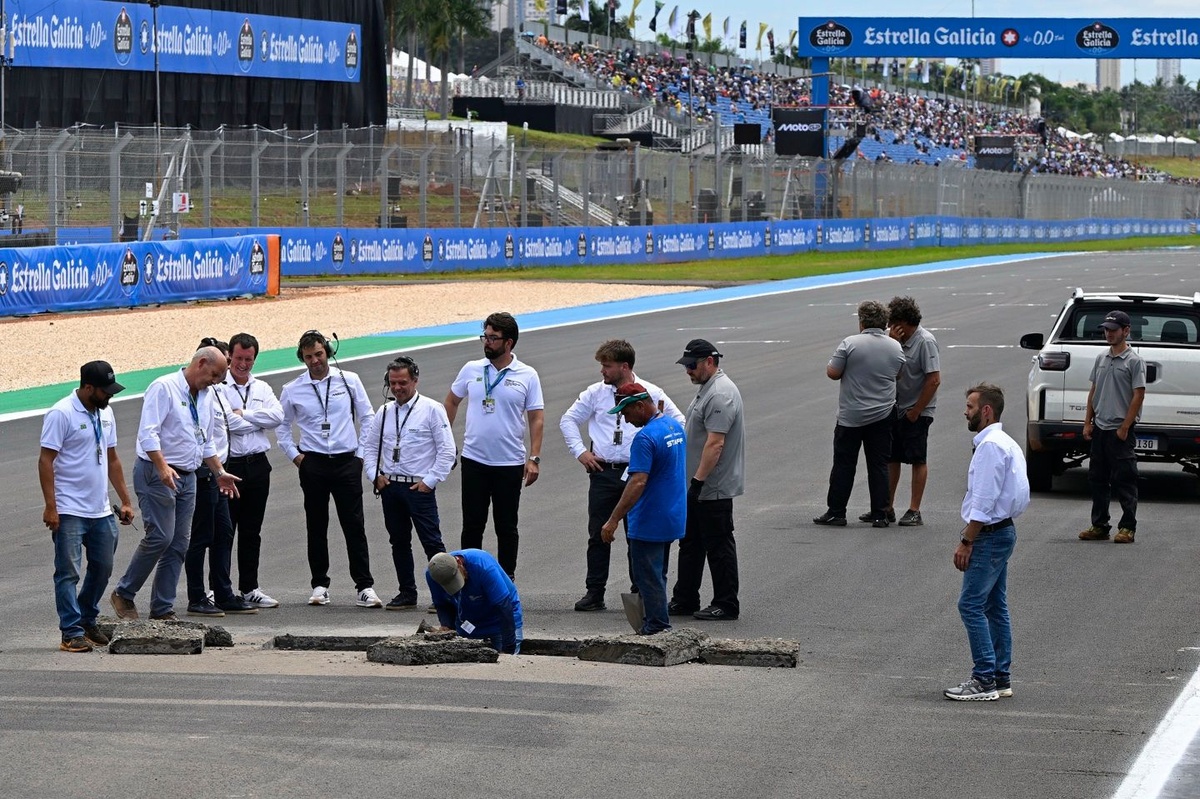
The true crisis hit on Saturday. Following qualifying, riders discovered a protrusion on the main straight, concealing a considerably large and growing sinkhole. Safety protocols kicked in, halting all activity for emergency repairs.
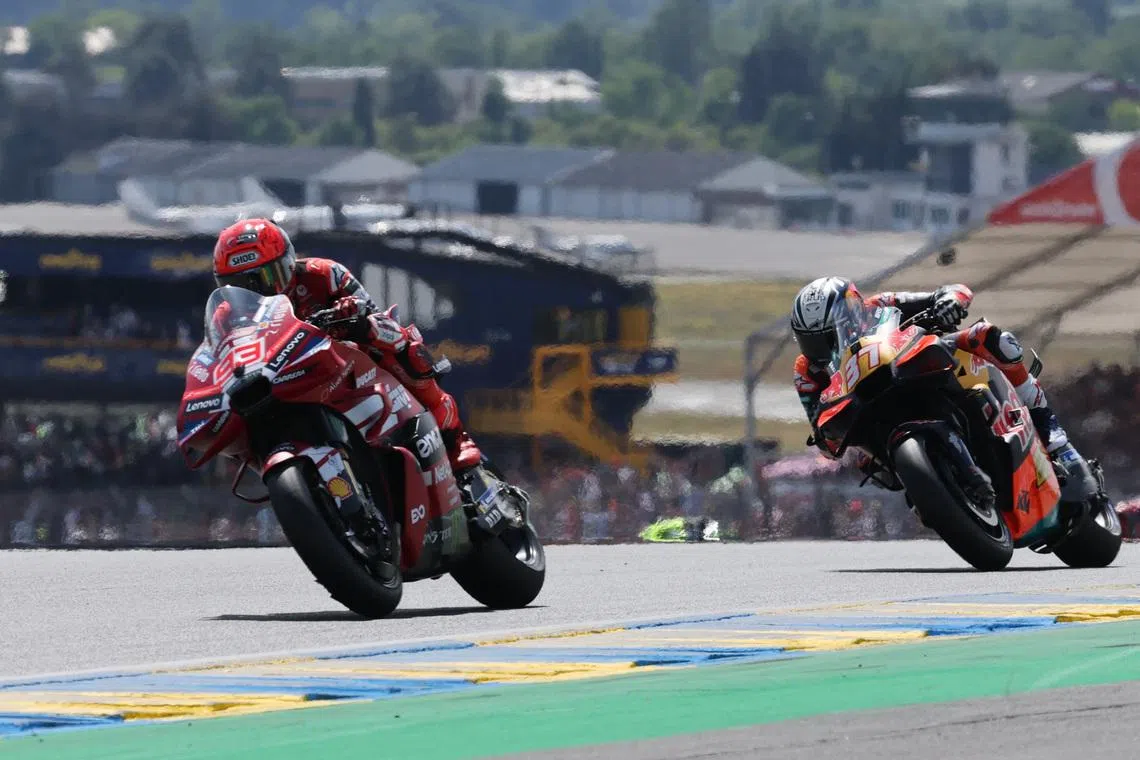
The affected area was excavated, cleaned, filled with cement, and sealed with asphalt plates. While the patch job allowed the sprint race to proceed, it was a close call. "Because the hole was off the racing line, only because of that," remarked Marc Márquez after his sprint victory, highlighting the precarious situation. He added, "It has to be improved for the future. For a new circuit, there are already undulations, given that the ground underneath moves."
Francesco Bagnaia, Márquez's Ducati team-mate, echoed similar sentiments, suggesting that the event had been staged "a bit early" and things weren't "one hundred percent finished." Further compounding the issues, just five minutes before the sprint race, Race Direction bafflingly shortened it from 31 to 23 laps. Michelin’s head, Piero Taramaso, vehemently denied it was a tire decision, stating, "It was Dorna's decision, not ours. It seems that the asphalt is degrading in turns 11 and 12," revealing deeper track surface problems.
Dorna's Ambition vs. Reality: A Rushed Return?
Dorna's eagerness to expand its calendar saw MotoGP return to Goiania, a circuit that last hosted the series between 1987 and 1989. While local authorities harbored a strong desire for its return, the original planned date was 2026.
The rapid acceleration to a 2024 comeback now appears ill-advised given the weekend's chaos. The local promoter, Brasil Motorsport, also responsible for Formula 1 in Interlagos, invested approximately 250 million reais (nearly $50 million) into renovating the circuit. However, this investment seems to have been insufficient or improperly executed, as the porous subsoil struggled to cope with the downpour, leading to the sinkhole and persistent water patches. Márquez wryly observed, "it seems like it rains underneath the circuit."
The Broader Implications: A Stained Image for MotoGP
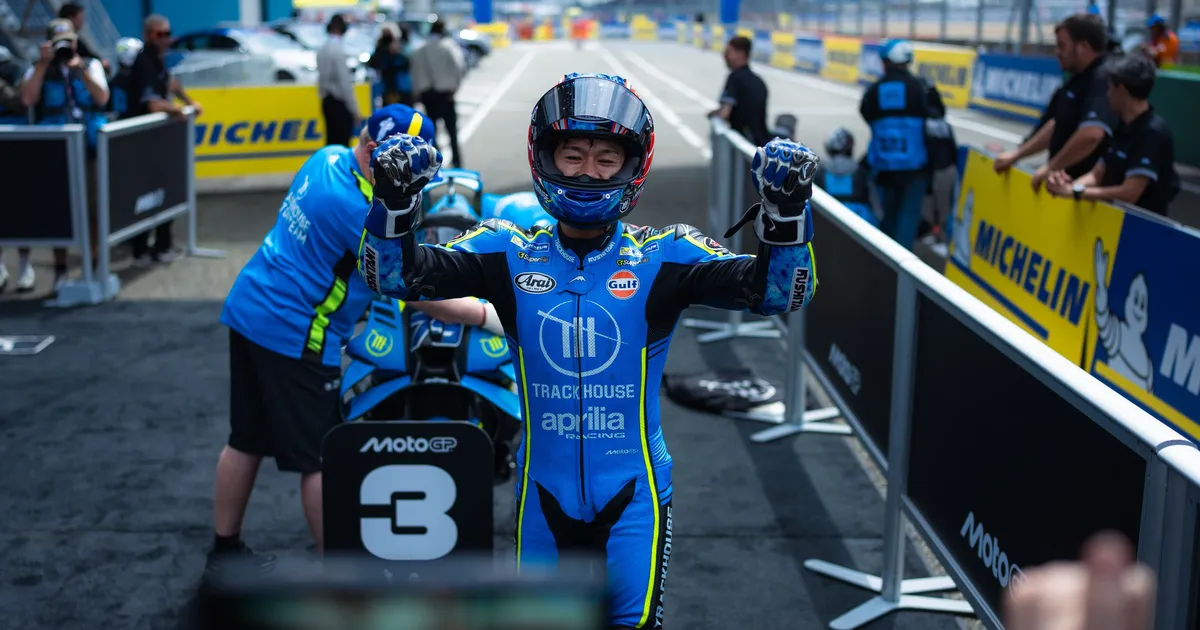
The chaotic weekend has drawn sharp criticism from within the paddock. Trackhouse team boss Davide Brivio expressed deep disappointment. "We are repeatedly told that MotoGP needs to improve, but to reach the level we intend to reach we cannot allow these situations," he asserted, highlighting the disconnect between the championship's aspirations and the reality on the ground.
Brivio stressed that while teams are pushed to invest more in exposure and hospitality, MotoGP itself must uphold its part by ensuring world-class standards at its venues. The haphazard management and visible improvisation projected a poor image globally, especially concerning for Dorna and its new partners, Liberty Media.
Both Bagnaia and Márquez emphasized the need for significant improvement. The Goiania debacle serves as a stark reminder that while expansion is vital for growth, it must not come at the expense of safety, quality, and the championship's hard-earned reputation. For Liberty Media, this chaotic return to Brazil offers an immediate and critical case study in the challenges awaiting them.