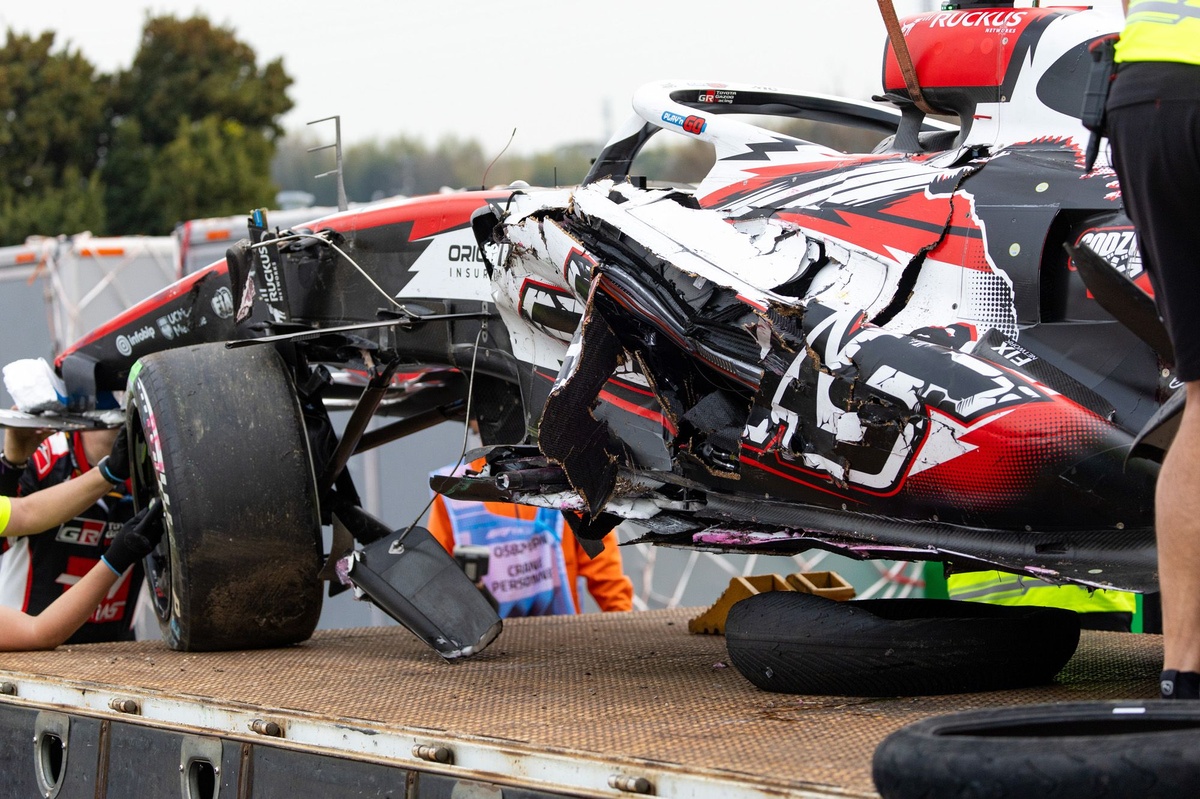

The Japanese Grand Prix delivered its usual dose of high-octane drama, but none more heart-stopping than Oliver Bearman's brutal shunt at Suzuka's fearsome Spoon curve. While the Haas F1 rookie walked away with a knee contusion, the incident sparked crucial questions about closing speeds and driver safety in modern Formula 1. Team Principal Ayao Komatsu has since offered a candid analysis, making it clear this was no ordinary "driver error."
Key Takeaways from Bearman's Suzuka Crash:
- Oliver Bearman endured a terrifying 50G impact at Suzuka, miraculously escaping with only a right knee contusion.
- Haas F1 boss Ayao Komatsu explicitly absolved Franco Colapinto of any blame for the incident.
- A staggering 45 km/h closing speed difference, driven by varying energy management strategies, was the primary cause.
- Komatsu frames the crash as a critical lesson in F1's current regulations, not a simple driver miscalculation.
Spoon Curve Horror: Unpacking Bearman's High-Speed Impact
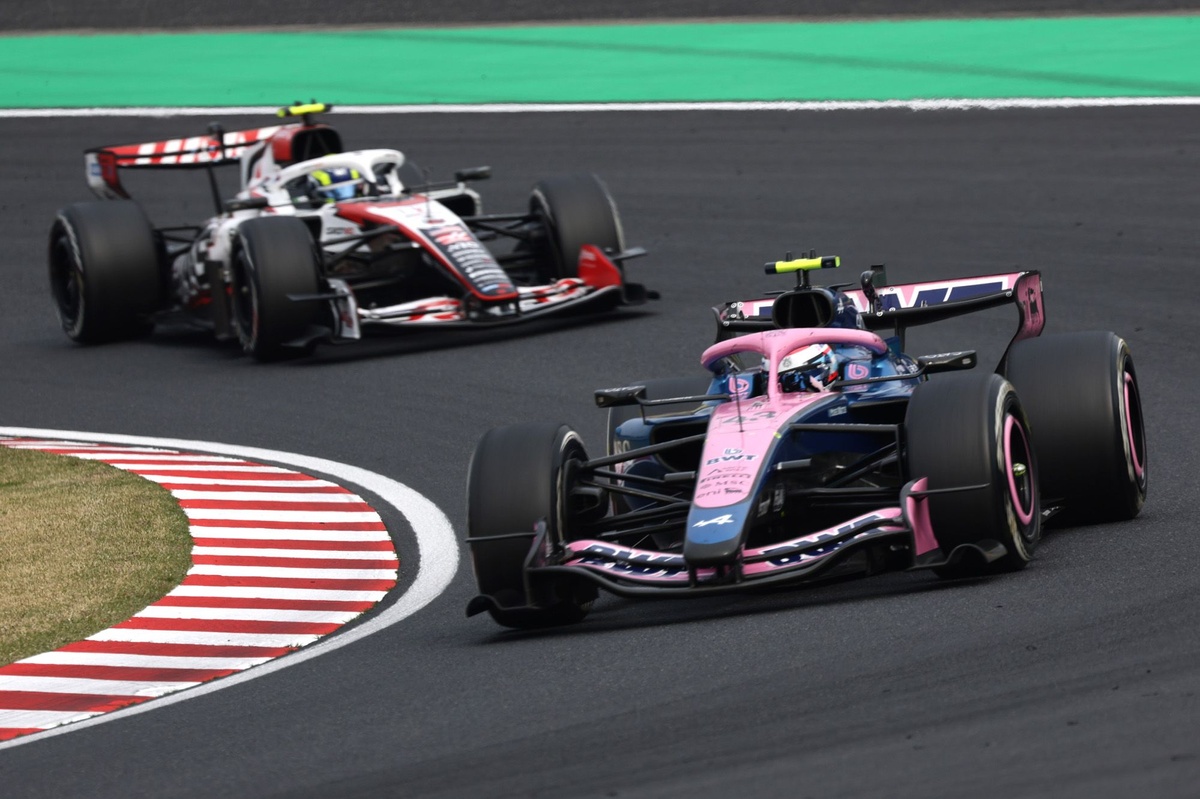
The moment was chilling: Bearman's Haas veering violently into the barriers at Spoon curve following a battle for P17. Clocking 306 km/h before impact, the young Briton suffered a 50G jolt. While grateful for his relative safety, the sheer force of the crash highlighted the precarious nature of F1 racing, especially for a rookie pushing limits. This intense incident at the Japanese Grand Prix underscores the constant dangers drivers face.
The Invisible Culprit: Energy Management's Role
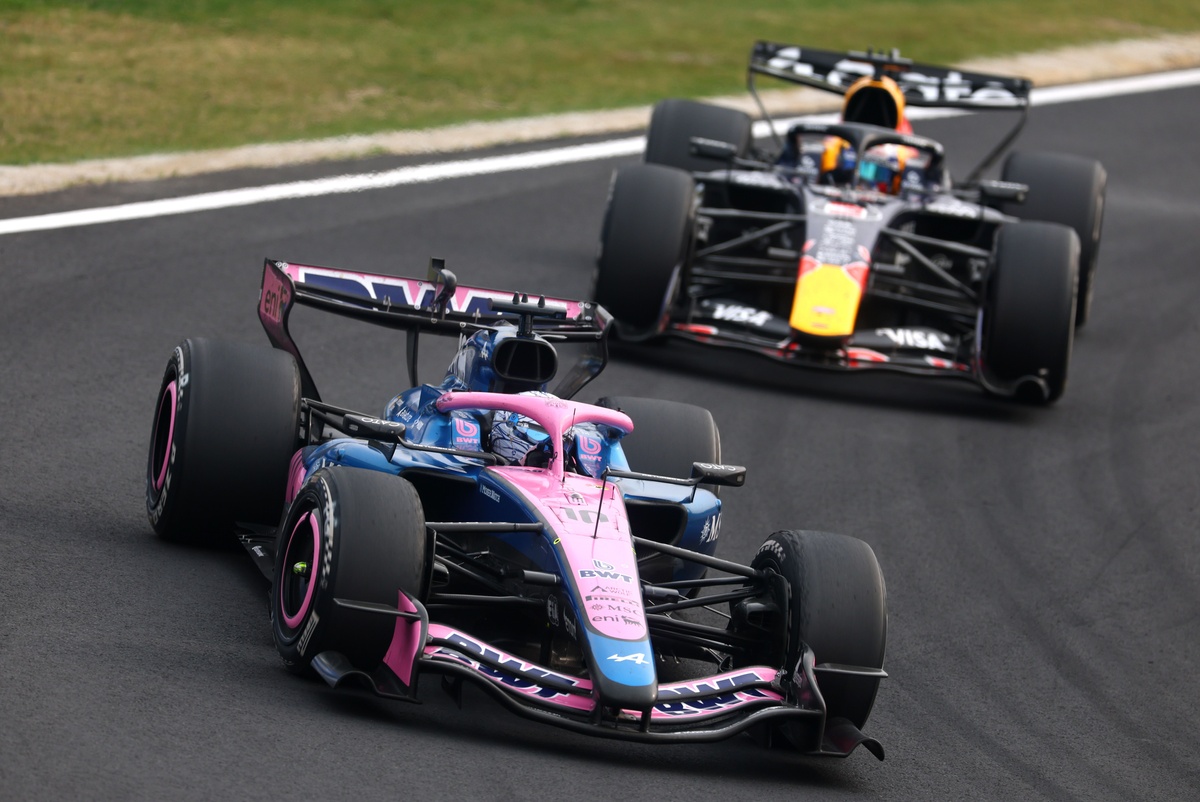
What made Bearman close so rapidly on Franco Colapinto's Alpine? Ayao Komatsu pinpoints the fundamental difference in energy management strategies. While Colapinto maintained consistent speeds, Haas F1 was deploying more energy through that section, creating a significant speed advantage.
Why Colapinto is Clear: A Consistent Line
Komatsu emphatically stated that Colapinto's actions were not a factor. "Leading up to that Turn 13, Colapinto, he was always doing something consistent, it's not his fault at all," Komatsu explained. His speed was predictable, meaning Haas F1 knew exactly what they were dealing with.
The plot thickened when Bearman engaged his boost button. This amplified the natural 20 km/h advantage to an alarming 45-50 km/h closing speed. This "massive" differential, as Komatsu described it, left little margin for error, especially on a blind, high-speed entry like Spoon. The rapid increase in speed differential is a critical aspect of modern Formula 1 racing.
Komatsu's Defense: Not an 'Error,' But a Lesson
Despite Bearman's own admission of wanting to "do better," Komatsu vehemently rejects labeling the incident a "driver error." He calls "error" too strong a word, preferring "small misjudgement." The unprecedented closing speeds under current F1 regulations are the real issue, he suggests.
This was only the third race under these specific regulations, and such extreme closing speeds are a novel challenge for drivers. Komatsu sees it as a learning curve for everyone involved, from drivers to the wider F1 community, to find ways to mitigate these dangerous scenarios. The incident at Suzuka provides a stark educational moment for Haas F1 and the sport.
Looking Ahead: F1's Regulation Challenge
The Haas F1 team principal's relief was palpable that Bearman avoided serious injury. The incident serves as a stark reminder of the potential dangers inherent in modern Formula 1, particularly with the complex energy recovery systems and their impact on on-track dynamics.
It's a call to action for the sport to assess how best to navigate these extreme speed differentials. As Komatsu puts it, the goal is to improve safety and prevent potentially "a lot worse" outcomes in the future. This ongoing dialogue is crucial for the evolution of Formula 1 safety standards.