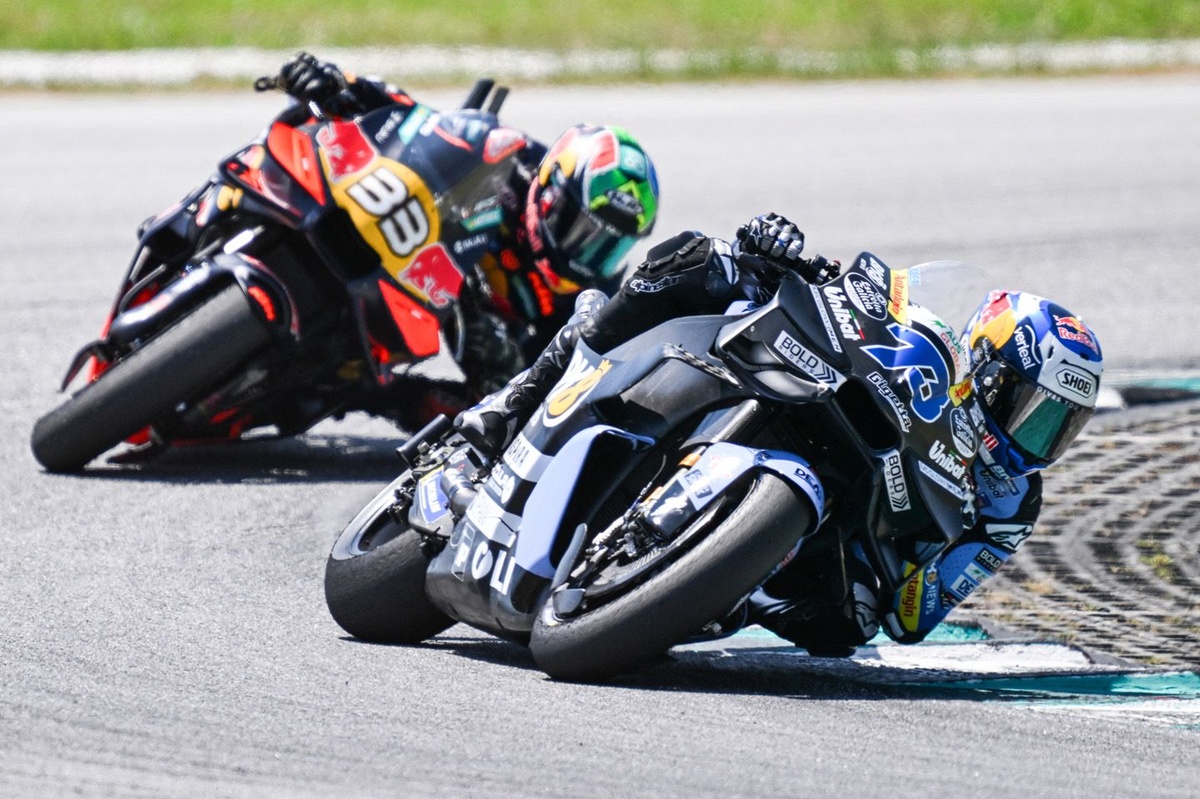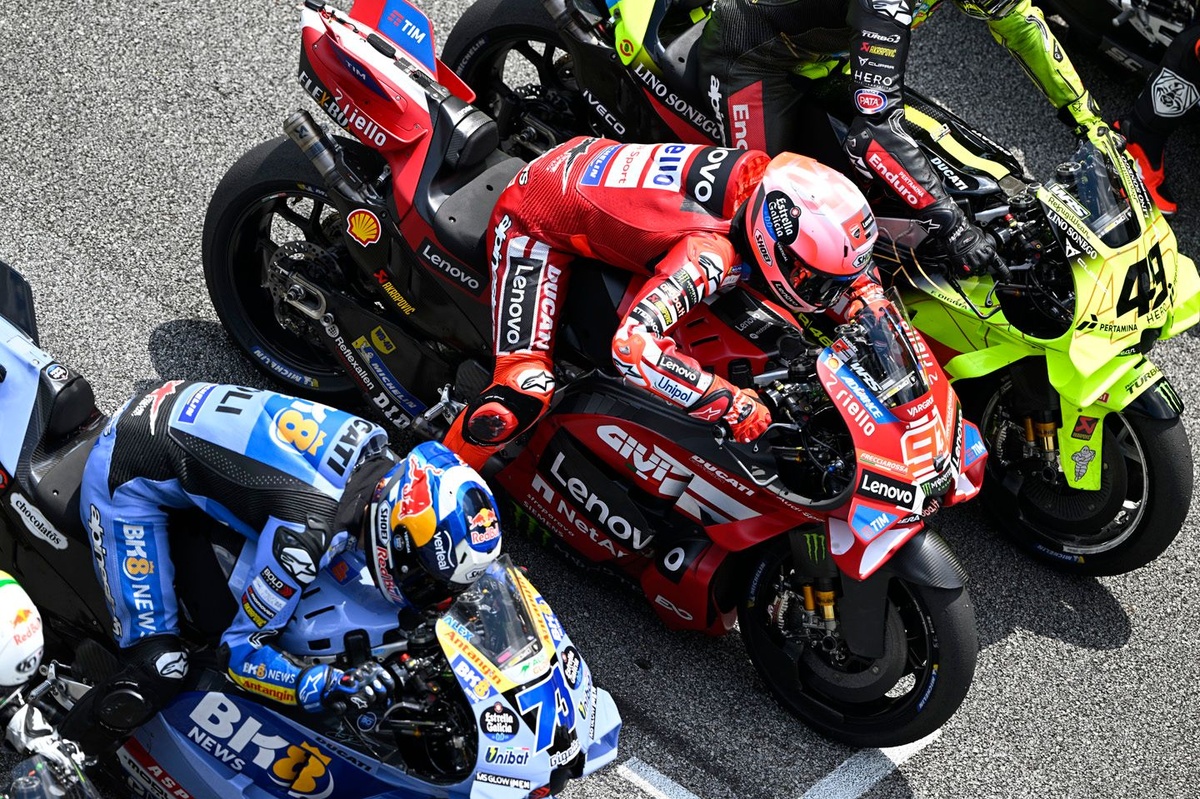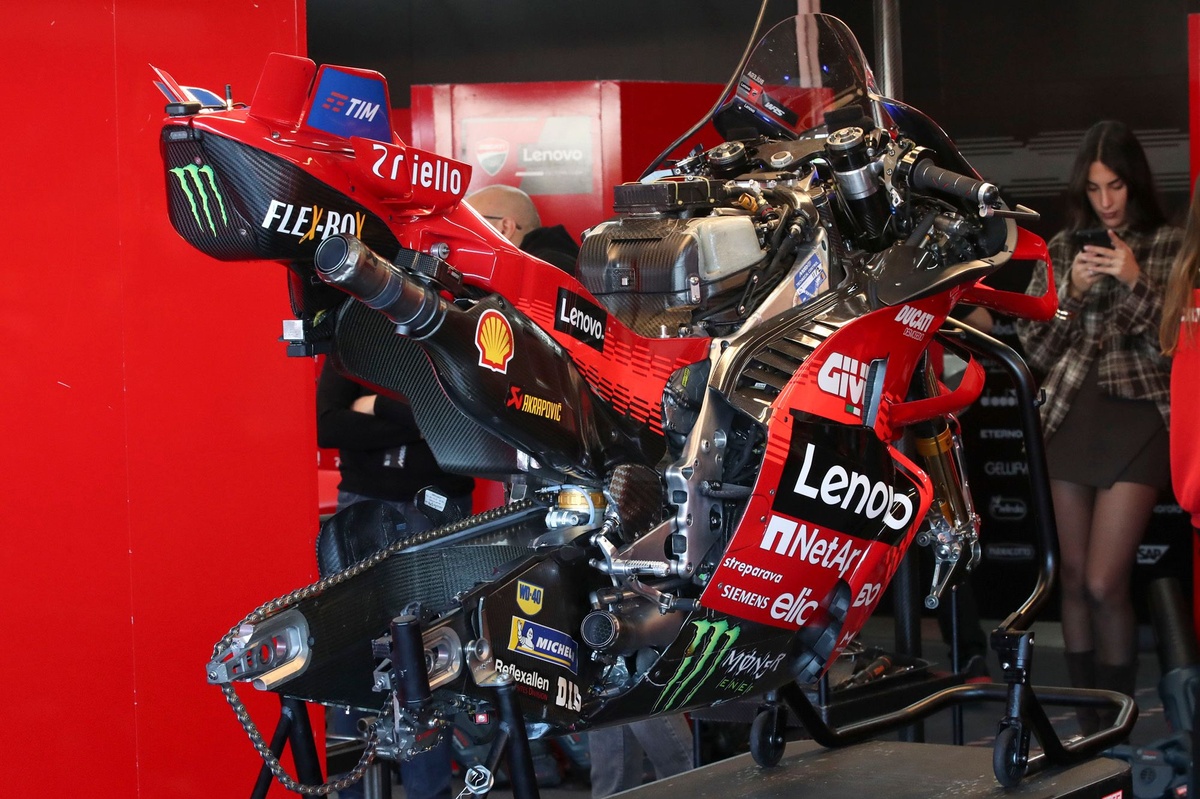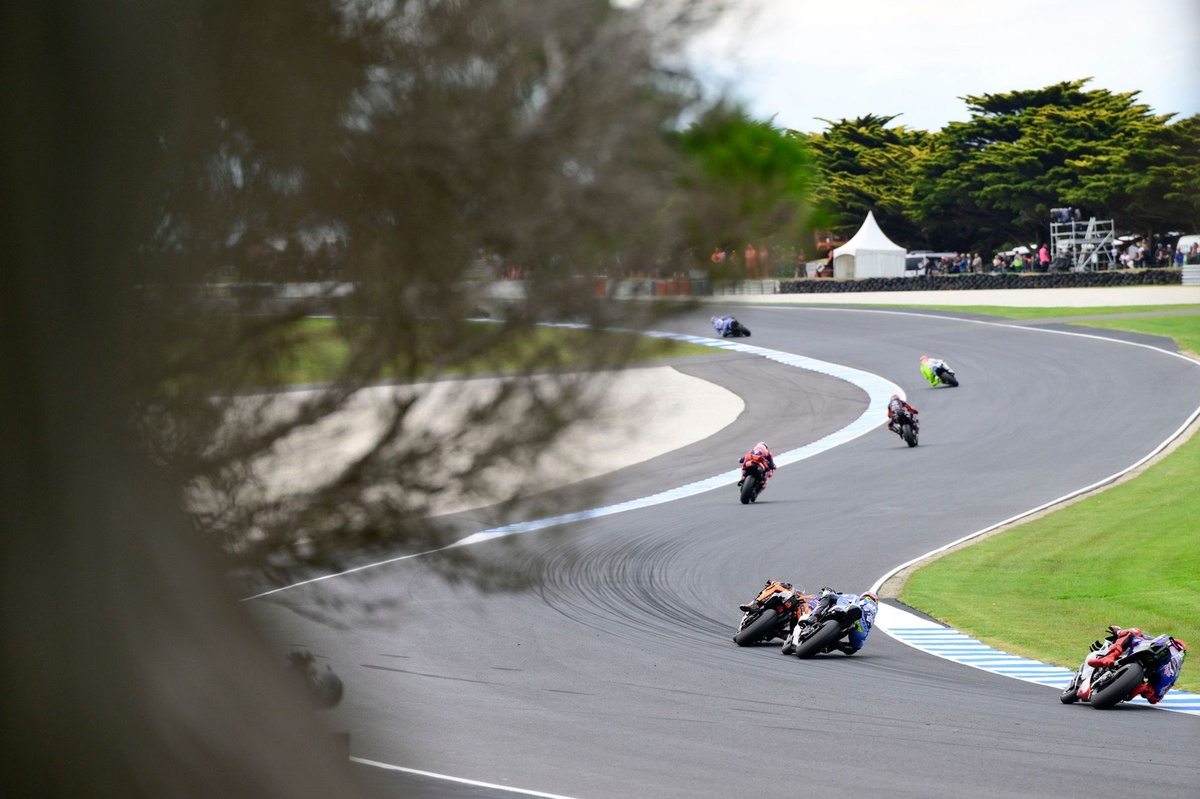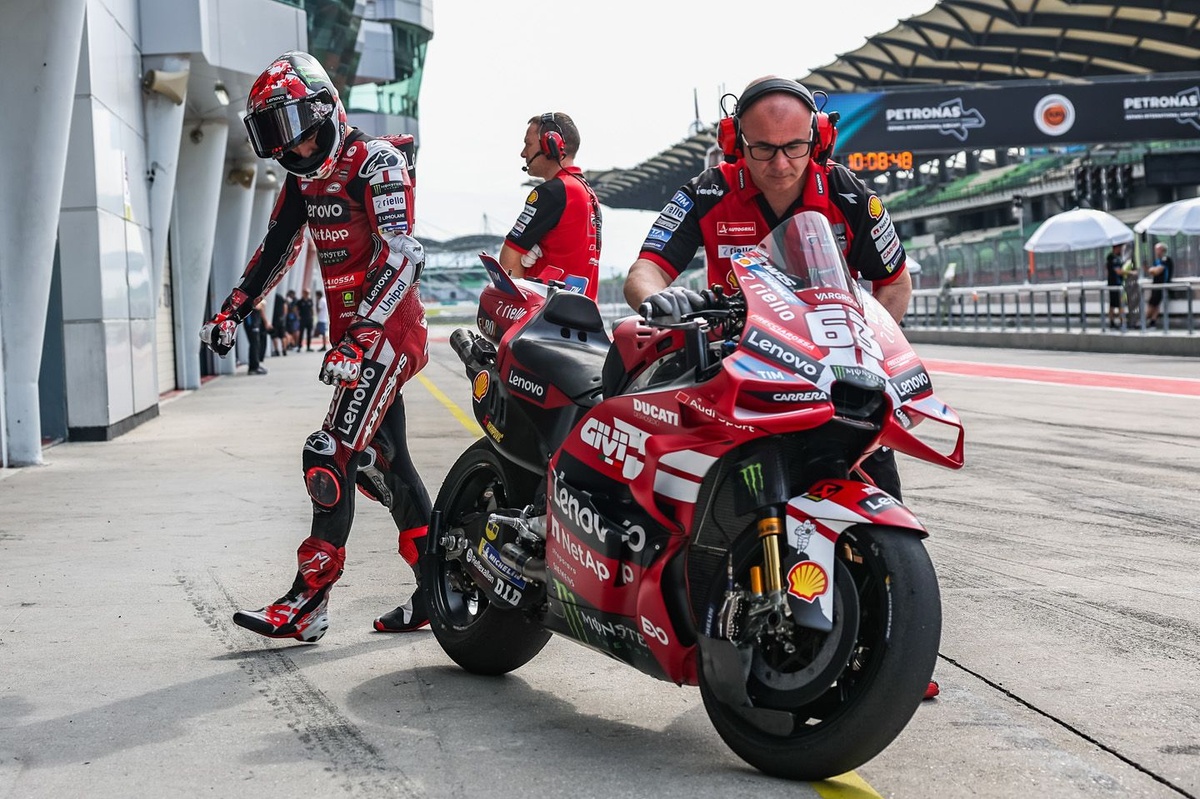


It's a gut punch for Honda! Their crucial first test of the prototype 850cc engine for MotoGP 2027 was utterly sabotaged by relentless rain at the Sepang International Circuit. What should have been a pivotal moment for HRC's future became a frustrating washout, leaving vital questions unanswered and development behind schedule.
Key Points:
- Honda's inaugural test of the new 850cc engine for MotoGP 2027 was severely hampered by persistent rainfall in Sepang.
- Test rider Takaaki Nakagami managed only a handful of dry laps, preventing meaningful data collection on the engine and new Pirelli slick tyres.
- This missed opportunity is critical as Honda moves out of D-level concessions, limiting future testing flexibility.
- Competitors like KTM have already completed dry-weather testing on their 2027 prototypes, putting Honda at a disadvantage.
A Washout in Malaysia: Honda's 2027 Engine Test Derailed
The stakes were incredibly high for Honda's development team as they descended upon Sepang International Circuit for their final test before the Christmas break. The main objective was clear: put the prototype 850cc engine, slated for MotoGP 2027, through its paces in representative conditions. Unfortunately, Mother Nature had other plans.
Three days of non-stop downpours meant HRC personnel couldn't achieve their primary goal. Test rider Takaaki Nakagami did hit the track with a modified bike, featuring a reduced aerodynamic package and the new powerplant. He even sampled both the wet and dry Pirelli tyre compounds destined for the 2027 season, when Pirelli takes over from Michelin.
However, the reality was grim. Nakagami completed very few laps on slicks, effectively nullifying any chance of gathering meaningful data in crucial dry conditions. This isn't just a minor setback; it's a significant blow to Honda's preparations for the radical regulation changes looming in 2027.
The Shifting Sands of MotoGP Concessions
This lost testing time stings even more deeply given Honda's recent "promotion" in the MotoGP concession system. Having accumulated 35% of the available points during the 2025 season, HRC has moved into Group C. This isn't necessarily a cause for celebration.
This advancement means Honda's development team will no longer enjoy the freedom of D-level concessions. In 2026, their testing will be limited by tyre allocations (260 per rider), and their regular factory riders will be barred from private tests. The ability to test "whenever and wherever" has vanished, making every track session invaluable.
The Sepang washout represents a squandered opportunity to maximize their remaining unrestricted testing time. While Nakagami gained invaluable experience with the new Pirelli wet tyres – a compound no other manufacturer has yet tested – the lack of dry running casts a long shadow over their 2027 development trajectory.
What's Next for Honda's Future Tech?
Looking ahead, Honda faces a strategic balancing act. With their restricted testing schedule, every decision regarding bike development becomes paramount. We understand that Aleix Espargaro is slated to focus on refining the current RC213V, while Takaaki Nakagami will spearhead the development of the new RC214V for 2027. Espargaro will join the 2027 project later in the season.
Like Ducati (Group A), and fellow Group C teams KTM and Aprilia, Honda must now wait for the limited Pirelli-organised tests in 2026 – currently just two – to further evaluate the new tyre compounds. This means they must carefully divide their remaining test sessions between refining the 2026 machine and pushing forward with the 2027 prototype.
The competition isn't standing still either. Rivals like KTM have already had a productive private session testing their 850cc 2027 bike in dry conditions at Jerez in November. This puts Honda at an undeniable disadvantage, emphasizing just how much that rain-soaked Sepang test truly cost them. The road to MotoGP 2027 just got a lot tougher for the Japanese giant.