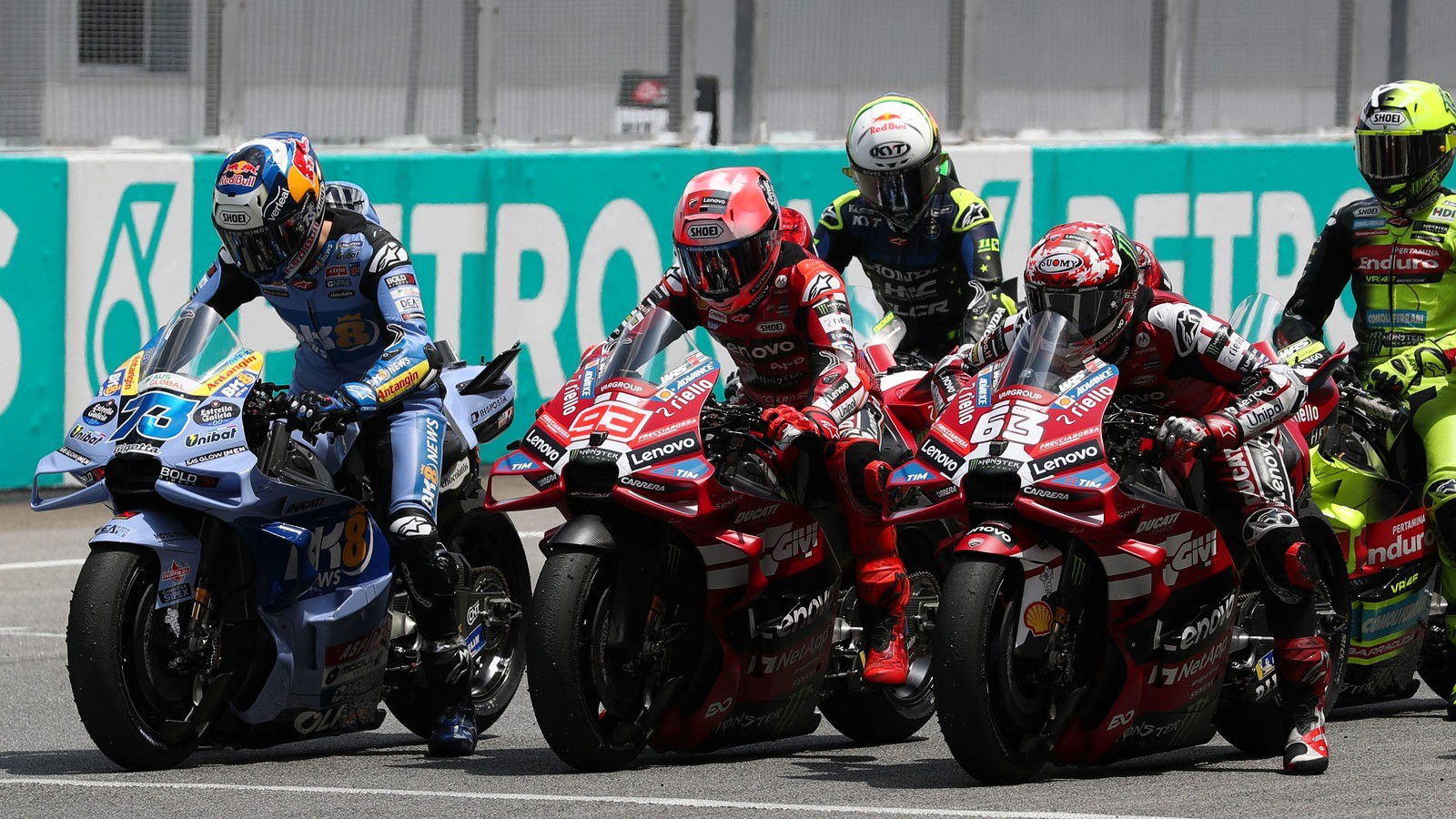
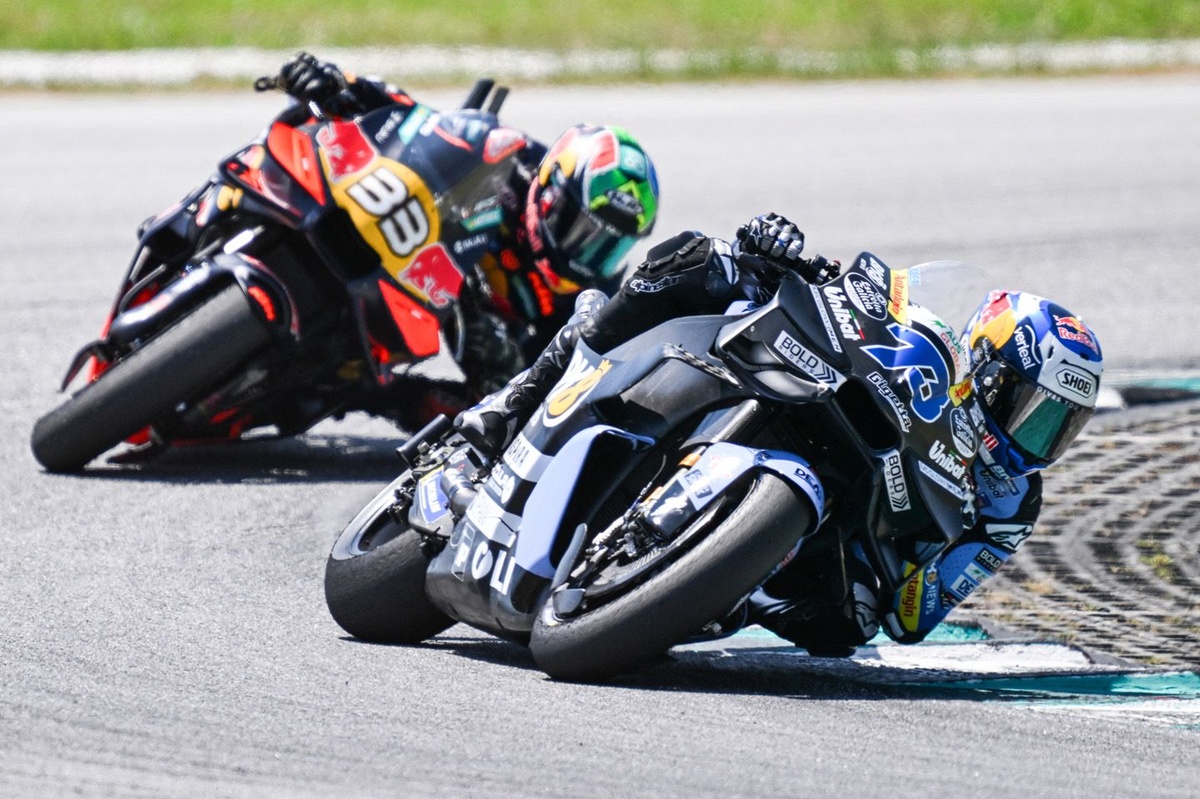

Ducati underlined their dominance ahead of the 2026 MotoGP season with a commanding performance at the Sepang Test, leaving rival manufacturers facing serious questions about their competitiveness. What began as cautious optimism across the paddock quickly faded as Ducati revealed its true pace, particularly in race simulations.
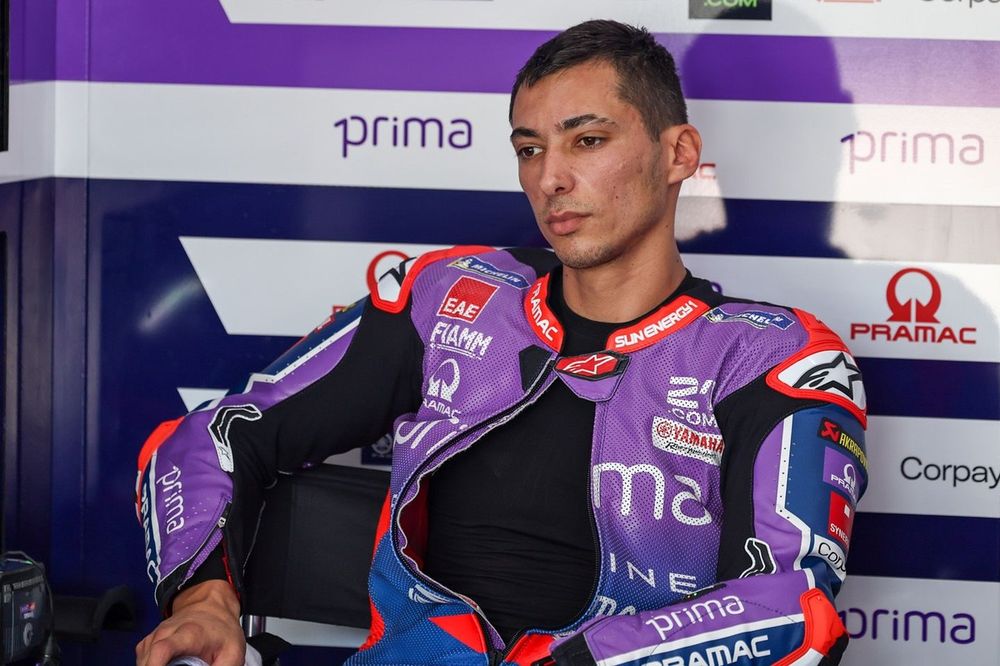
Despite reigning 2025 world champion Marc Marquez taking a careful approach due to a shoulder injury, the Italian manufacturer’s strength was clearly visible through Alex Marquez and Francesco Bagnaia. Alex Marquez set the fastest time with a 1:56.4 lap, narrowly missing the circuit record, while Bagnaia finished fifth and remained within half a second of the benchmark. Aprilia CEO Massimo Rivola captured the mood in the paddock when he suggested that, based on Bagnaia’s simulation, some teams might already need to shift their focus to 2027.
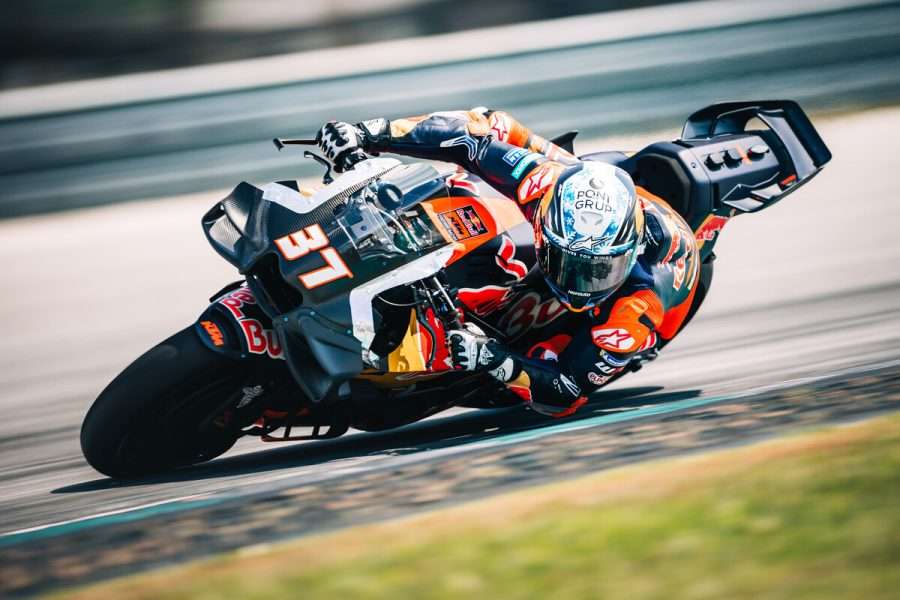
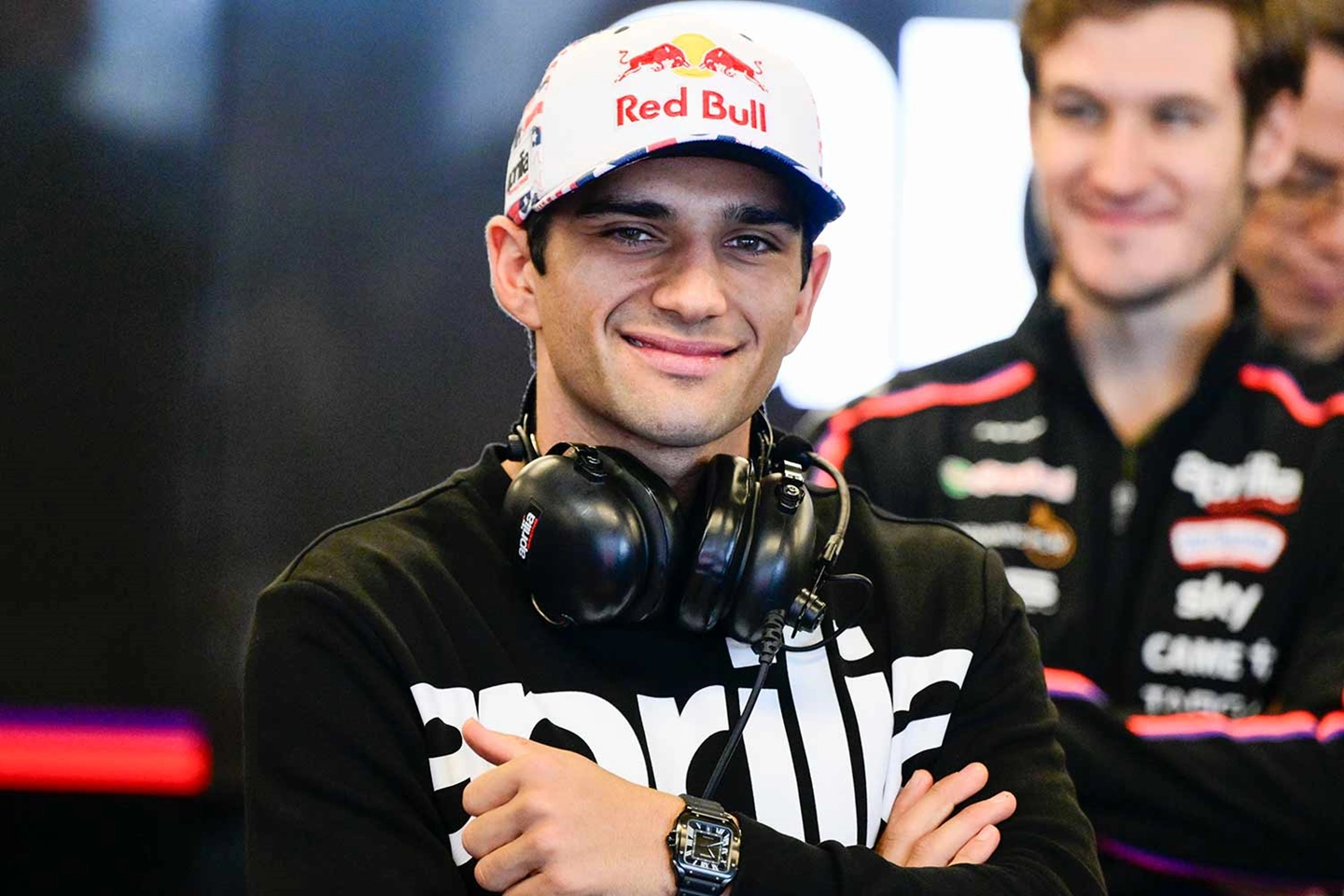
With Ducati firmly in control, attention turned to the fight for second place. Aprilia and KTM emerged as the main challengers, with Aprilia once again relying heavily on Marco Bezzecchi. The Italian rider delivered a strong performance by finishing second in the time attack, just one tenth of a second behind Alex Marquez. His pace reinforced Aprilia’s status as Ducati’s closest rival, although uncertainty remains following Jorge Martin’s expected departure. KTM also showed encouraging signs, particularly through Pedro Acosta, whose improved competitiveness points to a season-long battle with Aprilia for best-of-the-rest honours.

Source: iMotorbike News
Honda arrived in Sepang with growing confidence after moving up from Group D to Group C in the concession system, but the test highlighted persistent weaknesses. While the team has reduced its race pace deficit compared to 2025, major limitations remain. Joan Mir was Honda’s top performer in eighth place, 0.8 seconds off the fastest time, and identified grip as the team’s main weakness. Luca Marini struggled further, and an engine failure added to Honda’s difficulties. Mir admitted that attempting to match Ducati at this stage would be unrealistic, stressing that the team still has significant ground to make up.
Yamaha endured the most difficult test among the manufacturers, as problems with their new V4 engine severely disrupted their programme. Reliability concerns forced the team to suspend track activity for safety reasons on Wednesday, highlighting the scale of their technical challenges. Toprak Razgatlioglu finished 18th, nearly two seconds off the leading pace, and voiced frustration with the bike’s behaviour, saying he was being asked to ride in a style similar to Moto2. Alex Rins ended the test 1.1 seconds behind the fastest time, while Fabio Quartararo missed sessions due to injury. Only Jack Miller completed a sprint simulation, and the results were unconvincing, underlining Yamaha’s ongoing struggles.
As teams look ahead to the next round of testing, the competitive picture is becoming clearer. Ducati continue to set the standard in both qualifying speed and long-run performance, while their rivals face major development hurdles. Aprilia and KTM appear closest to mounting a challenge, Honda are still rebuilding, and Yamaha must first resolve fundamental reliability and performance issues. For now, Ducati enter the new season as the undisputed benchmark.