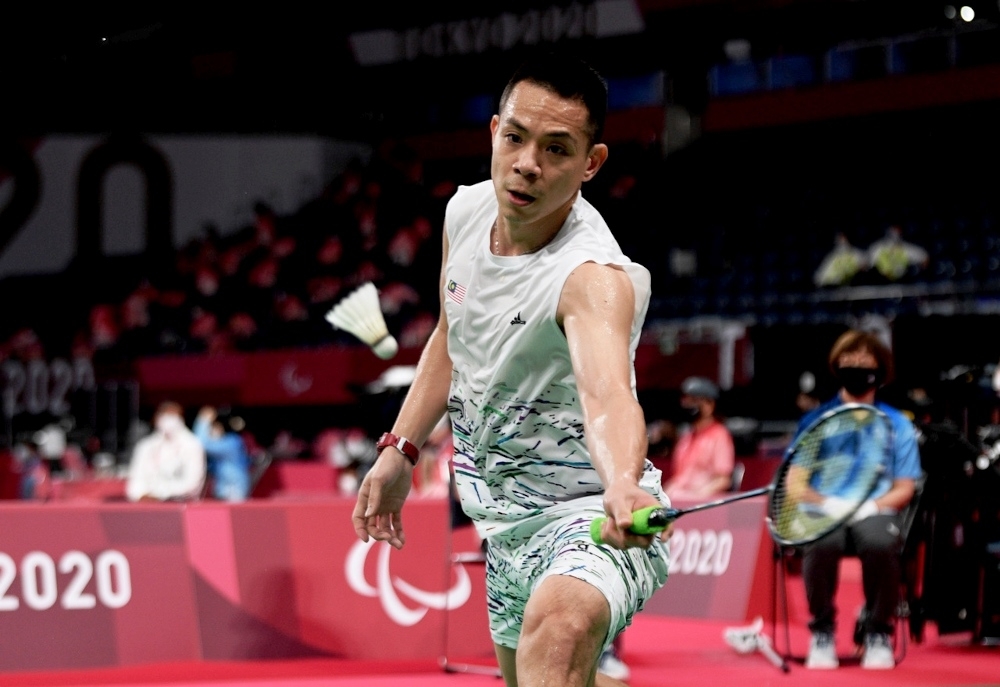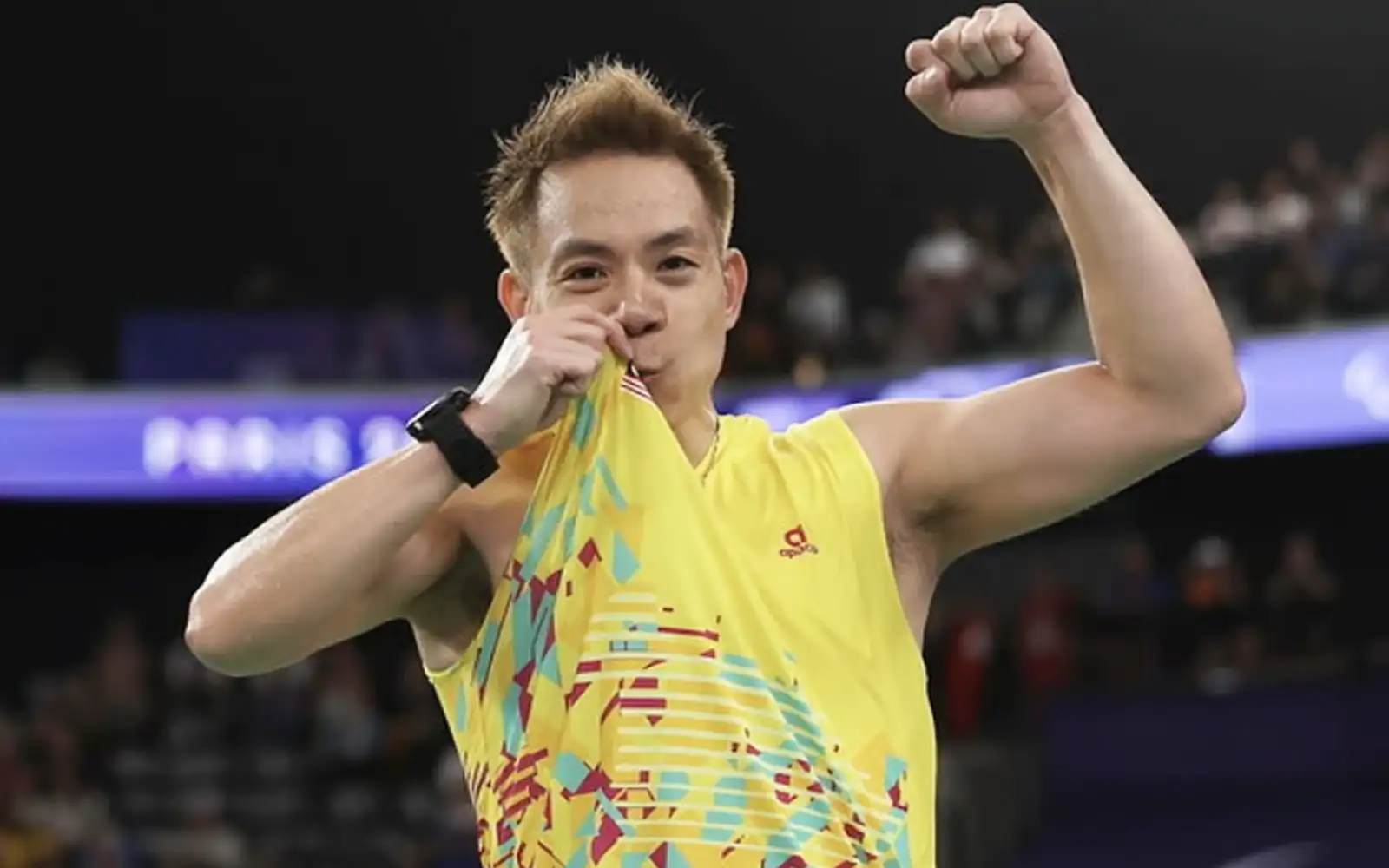
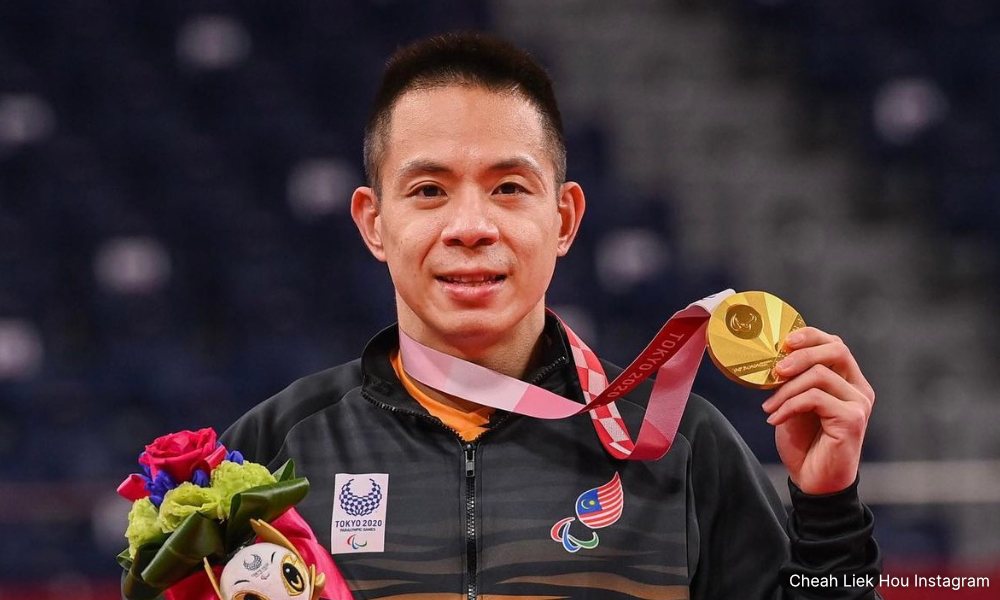

Cheah Liek Hou’s remarkable success at the Para Badminton World Championships in Bahrain has reignited debate over whether he should be considered Malaysia’s greatest athlete of all time.
The 38-year-old claimed two gold medals in the men’s singles and doubles SU5 events, lifting his career total to 16 world titles. The achievement underlined his long-standing dominance in para-badminton and added another milestone to an already historic career.
More significantly, his nine individual world crowns have taken him past squash legend Nicol David, who previously held the national record with eight. The feat has placed Liek Hou at the top of Malaysia’s all-time list for individual world titles.
His consistency and longevity, spanning nearly two decades, have strengthened his reputation as one of the country’s most successful athletes. However, his latest triumph has also raised broader questions about how sporting greatness should be measured.
Sports analyst Pekan Ramli said comparing achievements across para and able-bodied sports remains complex.
“Para sports have different categories and classification systems,” he said. “Each must be assessed carefully. We cannot compare them directly with able-bodied events.”
He added that factors such as the depth of competition, global participation and classification structures all influence how achievements are evaluated.
The debate is not limited to para athletes. Former badminton great Lee Chong Wei, who won 12 Malaysia Open titles, is often cited as an example of sustained dominance. Yet, his legacy is sometimes viewed through the lens of Olympic success, showing how major titles can shape public perception.
According to Ramli, recognition at national level also remains unclear. He noted that the Hall of Fame under the Olympic Council of Malaysia lacks transparent and consistent eligibility criteria.
“Induction should be based on clear standards, not emotion,” he said. “Without proper guidelines, it is difficult to make fair comparisons.”
Liek Hou’s achievements have highlighted the need for a more structured system to evaluate athletes from different disciplines and backgrounds. His success has also strengthened the profile of para-sports in Malaysia and inspired a new generation of athletes.
While opinions may differ on whether he should be labelled the nation’s greatest, there is little doubt that Liek Hou’s record-breaking career has reshaped the conversation around sporting excellence in Malaysia.