
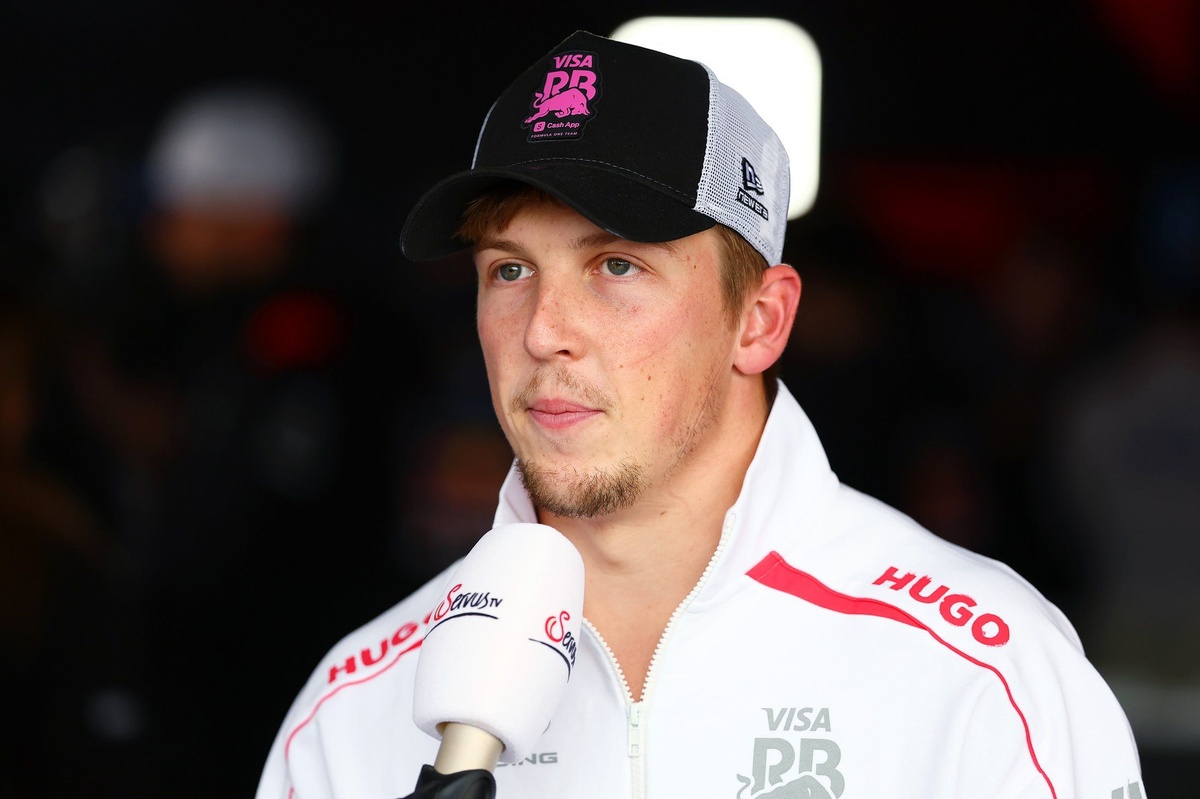

Lawson Reveals Grueling Mental Toll of F1's New 2026 Cars
The 2026 Formula 1 season is proving to be a true test of mental fortitude, and Liam Lawson is already feeling the immense pressure. After battling to a P9 finish at the Japanese Grand Prix, the Racing Bulls driver didn't mince words about the sheer intensity of the new era of F1.
Key Takeaways from Lawson’s Suzuka Challenge
- Liam Lawson describes the new 2026 F1 cars as mentally exhausting and unlike anything he’s experienced before.
- The constant focus on energy deployment and strategic driving has left him “mentally drained” after the Japanese GP.
- Lawson’s comments echo a wider concern among drivers that the sport’s new technical demands place an unprecedented cognitive load on competitors.
- Despite the toll, Lawson’s resilience and competitive finish in Suzuka show his commitment to adapting to the evolution of Formula 1.
A Different Kind of Endurance Test
Lawson’s ninth-place result at Suzuka came at a steep personal cost. While many fans and pundits focus on physical stamina and split‑second car control, Lawson highlighted another, less visible challenge: the mental strain. He openly admitted that navigating the new 2026 cars left him mentally drained by the end of the weekend, underscoring how the hybrid‑era machines demand constant cognitive engagement, split‑second strategic decisions, and relentless focus from start to finish.
More Than Just Driving Fast
Unlike previous generations of F1 cars, the 2026 machines require drivers to think like engineers and strategists on every lap. Lawson described how the emphasis on energy management and efficiency forces drivers to process more variables in real time, balancing battery deployment, hybrid boost, and race rhythm while fighting others wheel‑to‑wheel. The result isn’t just physical fatigue—it’s a mental exhaustion that hits drivers hard after a long race weekend.
A Broader Trend Across the Grid
Lawson’s candid reflection also resonates with a growing chorus of voices within the paddock. Many drivers and analysts have remarked that the current regulation cars leave competitors more mentally taxed than ever before, as the balance of performance increasingly hinges on strategic calculation rather than instinctive racecraft alone. This shift in demands has become one of the most talked‑about side effects of the new era.
Resilience Amid the Challenge
Despite the toll, Lawson’s performance at Suzuka showed grit and adaptability. Securing points in a demanding race reveals a driver still committed to mastering the evolving machinery, even as it pushes him—and his peers—to their cognitive limits. His openness about the mental strain may also spark deeper conversations within the sport about how the 2026 regulations impact driver wellbeing and performance.


