
A contentious call at the Thailand Grand Prix has again highlighted uncertainty surrounding the penalty system in MotoGP. Although recent seasons have seen stewards strive for greater consistency, confusion remains over how on‑track incidents are judged and communicated.
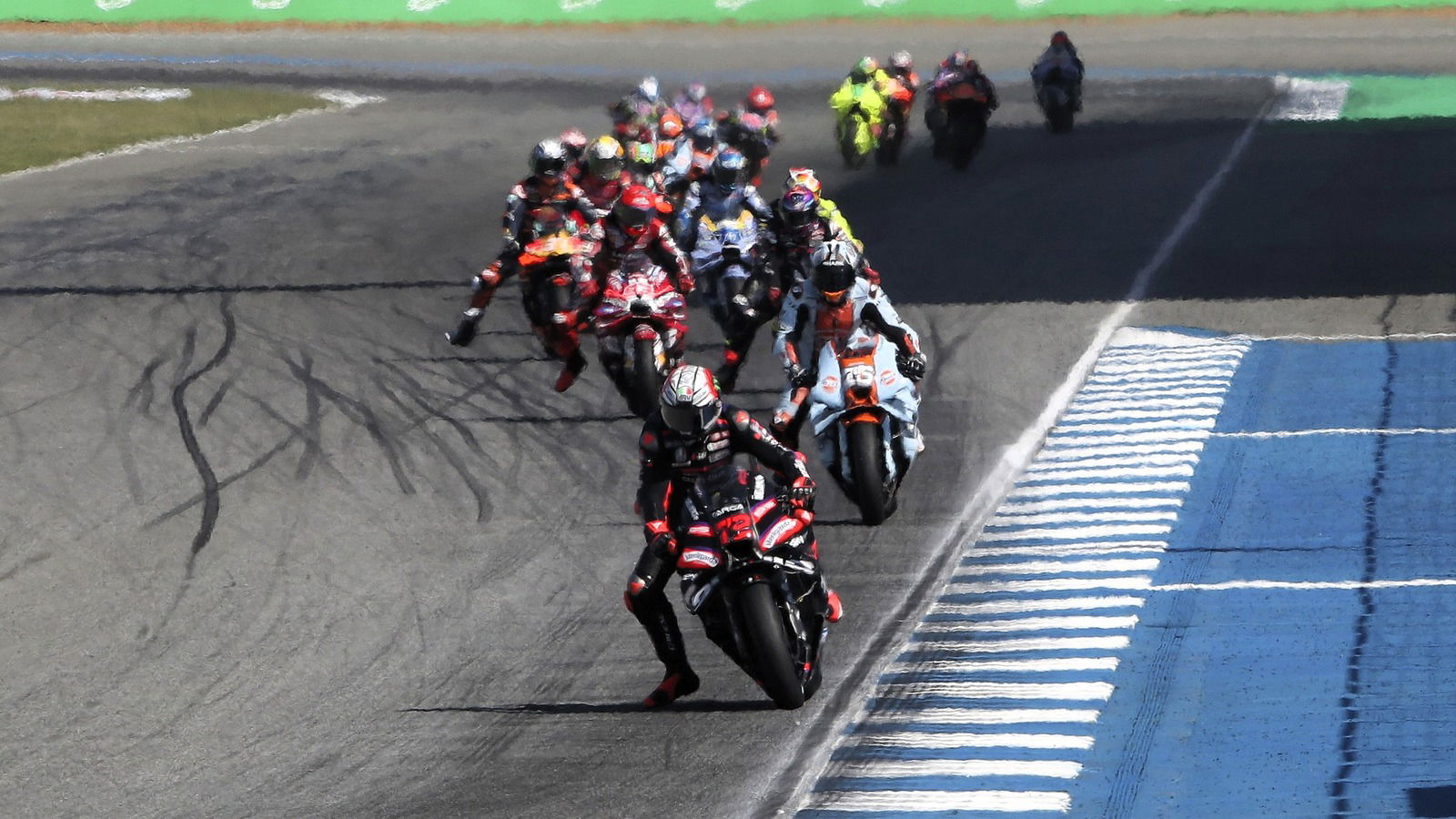
During the sprint race in Thailand, Marc Marquez was ordered to drop a position after making contact with Pedro Acosta in a battle for the lead. Marquez complied, promoting Acosta to his first sprint victory, but the decision fuelled debate over the interpretation of racing rules. The reigning world champion expressed frustration, insisting riders deserved clearer explanations of the stewards’ reasoning.
Television graphics suggested the penalty had been issued earlier in the race than Marquez realised. Whether the notification delay influenced his reaction is unclear. Fans and riders alike questioned whether the stewards’ guidelines around contact and overtaking are defined well enough for consistent application.
Stewarding in MotoGP has improved in recent years, with many riders praising panel chairman Simon Crafar for more consistent communication. However, the Thailand incident exposed remaining gaps in transparency, particularly around decisions that can swing race results or championship standings.

Source: Fox Sports
One key issue is that the sport’s regulations include broad concepts such as “responsible riding” and “causing a collision” without detailed, publicly accessible definitions. Riders have previously voiced frustration after penalties were applied without clear justification, leaving them uncertain what specific actions led to sanctions. For example, incidents at other Grand Prix events have prompted riders to say they received little or no explanation for their penalties from officials.
The penalty system itself includes a range of measures aimed at maintaining fair and safe racing. These can include long lap penalties, grid drops, time penalties, disqualifications and more, depending on the severity of the infringement. Although outlined in the rules, how stewards decide which sanction matches an incident is often not clear to riders or teams, and even less so to fans.
Calls are growing within the paddock for MotoGP to adopt a more transparent approach similar to other major motorsports, where detailed criteria for incidents and penalties are published and explained more openly. With the championship’s popularity continuing to rise, clearer communication around stewarding decisions could help reduce confusion and keep the focus firmly on racing action rather than controversial rulings.