
The roar of a MotoGP engine is set to get a massive boost, not just on the track, but in the hearts of fans worldwide, thanks to Liberty Media's strategic takeover. This isn't just a change in ownership; it's a monumental opportunity to reshape the sport's global appeal.
Key Points for MotoGP's Future
- Liberty Media's 84% acquisition of Dorna Sports signals a strategic overhaul for MotoGP.
- Sepang International Circuit CEO Azhan Shafriman Hanif emphasizes fan access and "money-can't-buy" experiences as crucial for growth.
- MotoGP events should evolve into "Super Bowl-style" spectacles, blending racing with entertainment.
- Long-term, circuits like Sepang envision themselves as multi-faceted entertainment hubs, drawing visitors beyond race weekends.
A New Era for Two-Wheeled Thunder: Liberty Media's Strategic Play
Liberty Media, the media giant behind Formula 1's explosive growth, has now firmly planted its flag in MotoGP by acquiring an 84% stake in Dorna Sports, the sport's commercial rights holder. While the Ezpeleta family will retain day-to-day management, Liberty's strategic influence is poised to elevate the championship to unprecedented heights.
Their proven track record with F1 and other global entertainment ventures suggests a clear path for MotoGP to expand its reach and financial viability. This isn't about micromanaging races, but about unlocking the immense commercial and fan potential currently untapped.
Learning from Formula 1's Playbook
Under Liberty Media's stewardship, Formula 1 circuit promoters have enjoyed record ticket sales and significantly boosted revenues. The goal is to replicate this success, making MotoGP races more financially attractive for host venues.
Currently, MotoGP's hosting fees are a fraction of F1's, despite a similar calendar size, projected to hit a record-equalling 22 races by the 2026 season. This accessibility is a strength, but ensuring profitability for promoters remains paramount, with or without government backing.
Sepang's Bold Vision: Bringing Fans Closer
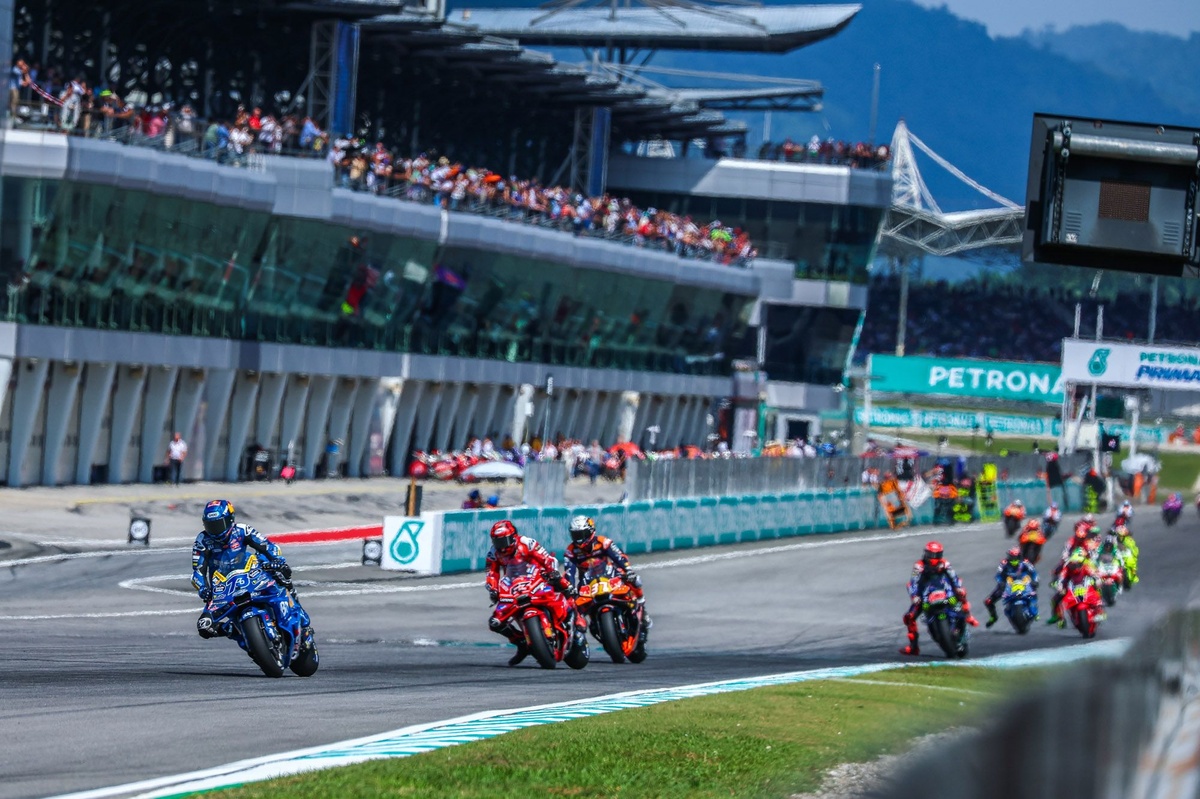
As a stalwart venue that has hosted the Malaysian Grand Prix annually since 1999, the Sepang International Circuit is at a pivotal point. Currently negotiating a new contract with Dorna for 2027 and beyond, Sepang faces the evolving commercial pressures that many long-standing circuits encounter.
Sepang CEO Azhan Shafriman Hanif believes that true growth for MotoGP demands a collective effort. He highlights the need for all stakeholders – promoters, Dorna, teams, and riders – to engage more deeply and make the sport accessible to a younger, broader audience.
"We need to open up more access to the fans," Shafriman told Motorsport.com. He envisions creating "money-can't-buy experience[s]" that draw spectators in, fostering a deeper connection to the sport.
Beyond the Track: Expanding the Experience
Attracting fans to the circuit gates is crucial, but Shafriman understands MotoGP's appeal must extend further. Initiatives like the annual season launch event in Kuala Lumpur are a step in the right direction, connecting with fans beyond the race weekend.
Shafriman proposes innovative ideas to Dorna, aiming to "create more experiences outside of the circuit." This means reaching those who cannot attend in person, offering them unique ways to follow and engage with MotoGP, even from their homes.
The 'Super Bowl' Effect: Entertainment Takes Center Stage
Liberty Media's original blueprint for F1 was to transform each grand prix into a "Super Bowl-style" event – a spectacle far exceeding just the race itself. Sepang wholeheartedly endorses this vision for MotoGP.
"The sport now needs to expand [to be] more than just the sport. It needs to come with entertainment," Shafriman asserts. Integrating concerts, marketing activations, and surrounding activities would captivate casual fans, significantly boosting overall attendance and engagement. It's about crafting a full-weekend festival, not just a race.
Building a Motorsport & Entertainment Hub: Sepang's Future
Beyond immediate MotoGP enhancements, Sepang is pursuing an ambitious long-term strategy: evolving the circuit into a comprehensive destination. With vast undeveloped land, Sepang aims to attract investors to build a vibrant ecosystem around the track.
This grand vision includes hotels, theme parks, and retail spaces. "When people come here, they don't just come here for the motorsports event," Shafriman explains, "they can do other things." This multifaceted approach could serve as a blueprint for other MotoGP venues looking to maximize their assets and secure their future in an evolving landscape.