
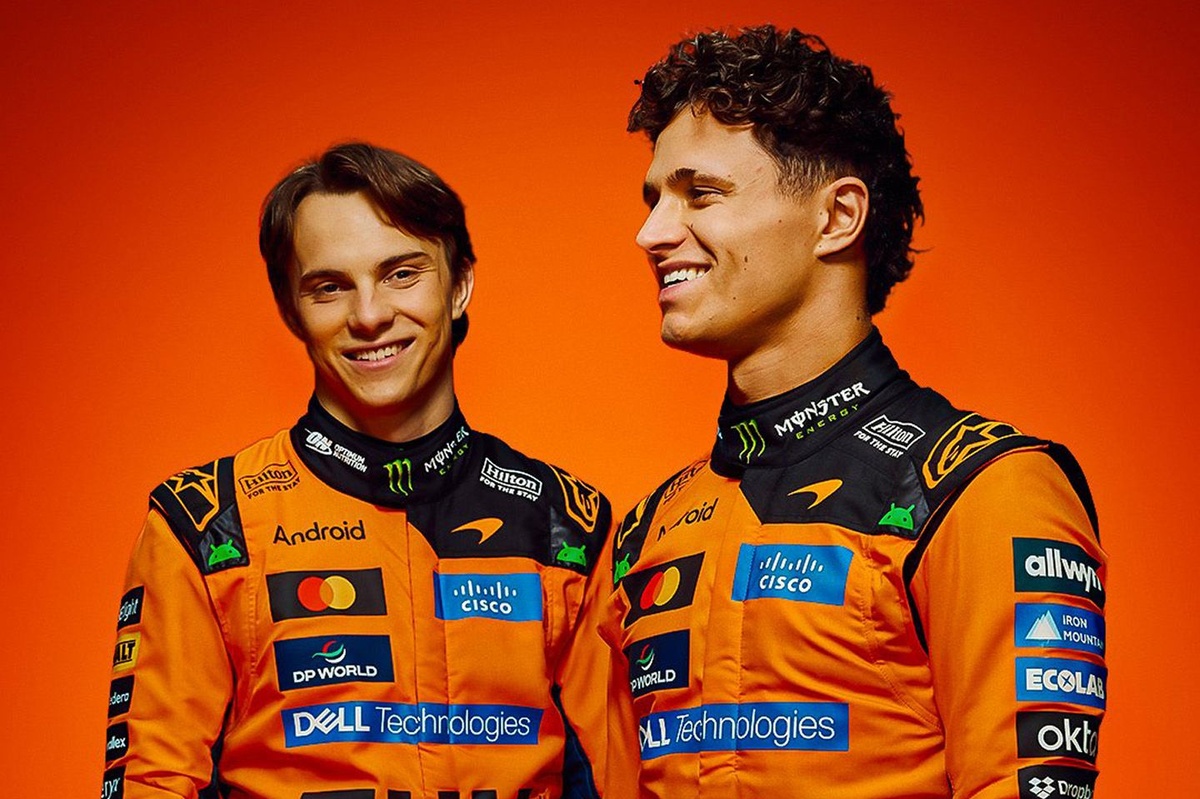

The 2026 F1 regulations are poised to redefine what it means to be a Grand Prix driver, and McLaren stars Lando Norris and Oscar Piastri are already feeling the heat. It's not just about raw speed anymore; it's about mastering an entirely new level of cockpit complexity.
Key Takeaways for F1 2026 Driver Prep:
- 2026 F1 introduces a radical 50:50 internal combustion and electric power unit.
- DRS is out, replaced by advanced active aerodynamics demanding precise driver input.
- Lando Norris and Oscar Piastri report a significant increase in simulator time to adapt.
- Drivers face a far greater "workload" in managing energy harvest and deployment.
Navigating F1's Next Era: The Dynamic Power Play
The shift to 2026 F1 isn't merely a technical update; it's a paradigm change for drivers. The new power units, with their near-equal split between traditional engine and electric power, demand constant strategic input. This means more buttons, more decisions, and less passive driving.
Lando Norris has been vocal about the increased preparation required. He revealed during the McLaren launch event that his simulator schedule has intensified dramatically. "More procedural stuff rather than anything else," Norris explained, highlighting the focus on mastering new controls and functions on the steering wheel. This crucial sim time helps fine-tune their approach for early races like Bahrain and Australia.
Teammate Oscar Piastri echoed Norris's sentiments, emphasizing the dynamic nature of the new hybrid systems. The battery element will be more potent, both in how quickly it can be deployed and recharged. "A lot more power comes from the battery," Piastri noted, describing it as a "much more dynamic thing that we'll have to keep an eye on."
Beyond DRS: The Active Aero Challenge

Photo by: XPBimages
Perhaps one of the most significant procedural shifts will be the demise of DRS, making way for active aerodynamics. Drivers will have direct control over wing elements, requiring precise timing and understanding of their impact on performance. This adds another layer of complexity, turning every lap into a strategic ballet.
The message from Woking is clear: success in F1 2026 will hinge not just on raw talent, but on tactical brilliance and an unprecedented level of driver engagement. McLaren's proactive approach highlights the monumental challenge ahead for every team on the grid.