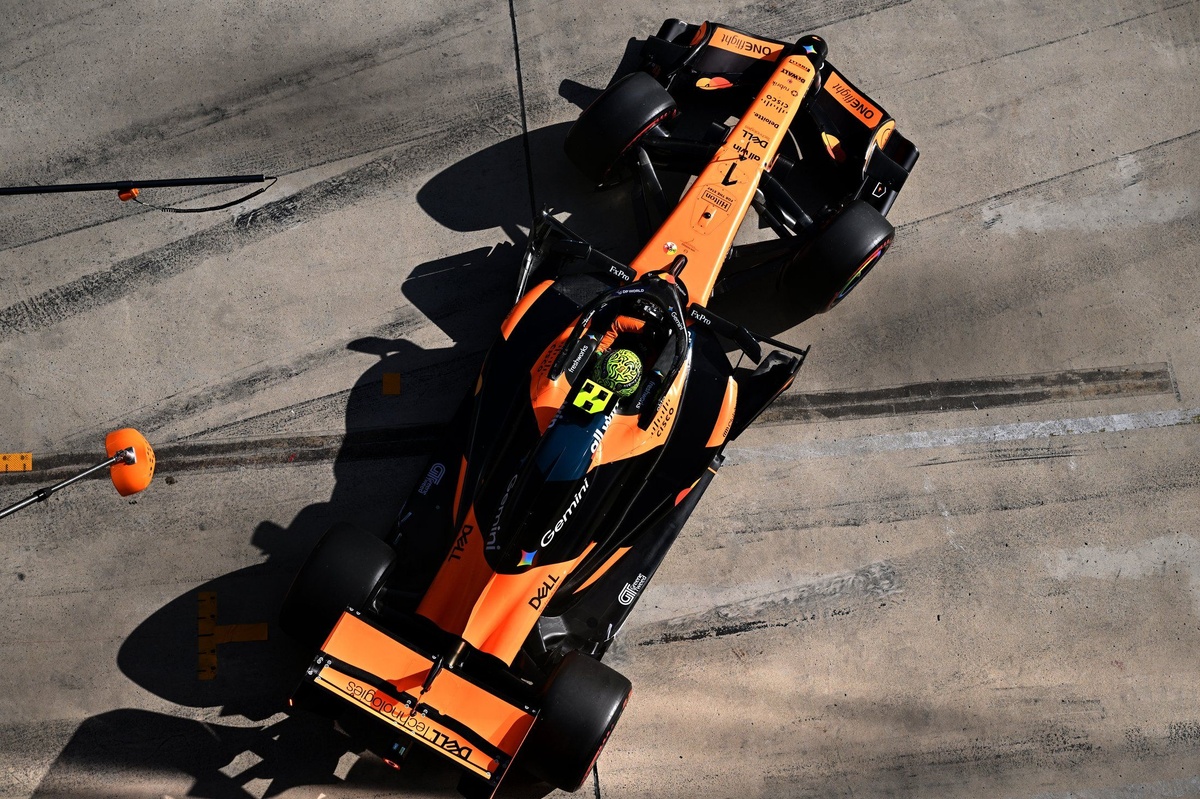

Just when McLaren seemed destined for continued glory after their dominant 2025 season, the 2026 campaign has delivered a harsh dose of reality. What began with sky-high expectations for the MCL40 and its formidable Mercedes Power Unit has quickly descended into a frustrating cycle of mechanical gremlins, particularly for Lando Norris and Oscar Piastri.
KEY POINTS
- McLaren's 2026 season has been plagued by a series of critical electrical reliability nightmares.
- Both Lando Norris and Oscar Piastri suffered non-starts at the Chinese Grand Prix due to separate power unit issues.
- Despite these crippling setbacks, the MCL40 is statistically the third-fastest car on the grid.
- A perceived advantage in the Mercedes Power Unit has paradoxically become a source of frustration, with its full potential currently untapped.
From Champions to Chassis Troubles: The MCL40's Unlucky Start
The sight of both McLaren machines, driven by Lando Norris and Oscar Piastri, failing to even start the Chinese Grand Prix was a stark, disappointing moment. Team Principal Andrea Stella confirmed that the issues were distinct electrical failures. Norris' car experienced a total communication blackout between its internal combustion engine and electrical components, a problem not remedied by an ECU change. Piastri's car, initially fine, simply refused to fire up on the grid.
These failures are more than just lost points; they represent a catastrophic loss of crucial track time. Every missed lap, every non-start, is a missed opportunity to gather data, refine strategies, and develop the MCL40 further. For a team aiming for championships, such early season stumbles are profoundly damaging.
Pace, But No Playtime: McLaren's Raw Performance
Here's the frustrating paradox: on raw pace, the McLaren MCL40 is a serious contender. Chief designer Rob Marshall has rightly pointed out that the 2026 challenger was crafted by the same brilliant minds and in the same top-tier facilities that produced last year's championship-winning car. Data confirms this, placing the MCL40 as the third-fastest car on the grid.
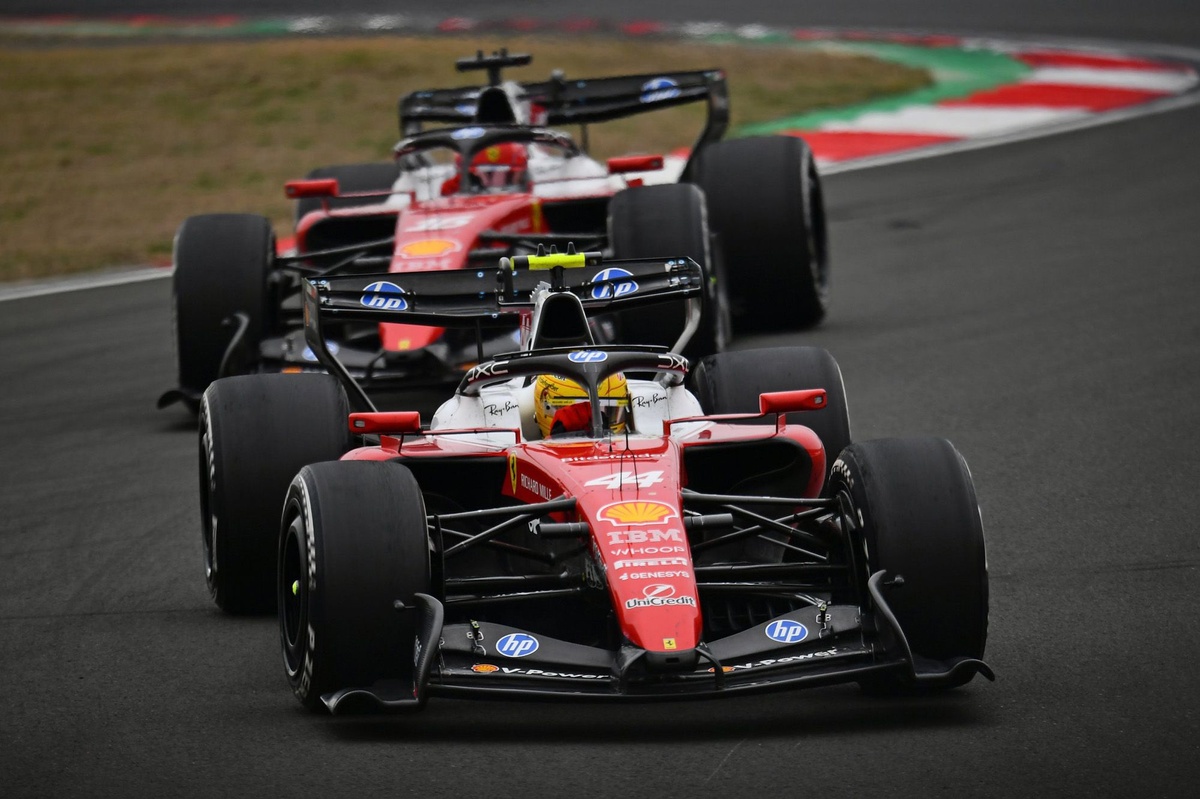
In "Supertimes" metrics, which compare fastest lap times, McLaren sits just 0.888% behind the leading Mercedes W17, and crucially, is almost neck-and-neck with Ferrari's SF-25. Despite registering only a single Grand Prix start among its two cars, McLaren incredibly holds third in the Constructors' Championship, thanks to valuable points from sprint races. The speed is there, but the reliability isn't.
The Mercedes Power Paradox: Strength Becomes Weakness?
One of McLaren's historical strengths, its Mercedes Power Unit, has unexpectedly become a focal point of their early season woes. The Brixworth-designed engine is widely considered the class of the field – a versatile, all-rounder unit that should be a significant advantage. However, McLaren hasn't been able to fully exploit it.
The crux of the problem seems to lie in the differing testing schedules for the Mercedes works team and its customers. While Mercedes introduced an updated powertrain variant during pre-season testing, customer teams like McLaren, Alpine, and Williams initially ran with the older specification. This meant McLaren had to integrate and bed in a marginally different, updated Mercedes PU just before the Australian Grand Prix. This delayed integration likely contributed to the "teething problems" seen not only at McLaren but also with Williams and even the works Mercedes team itself during Bahrain tests.
Deployment Dilemma: The Cost of Missed Laps
Beyond raw reliability, the lack of consistent running severely impacts McLaren's ability to optimize power unit deployment. While powertrain data is shared, providing insight into maximizing ERS performance, there's no substitute for first-hand experience. Perfecting the "ever-evolving deployment maps" is crucial for race performance, and missed Grand Prix starts mean McLaren is falling behind its rivals, particularly Ferrari, in this critical area.
Suzuka's Make-or-Break Moment for Woking
The upcoming Japanese Grand Prix at Suzuka is absolutely critical for McLaren. The team desperately needs a smooth, trouble-free weekend to gather much-needed data and rebuild confidence. A 5-6 finish should be the absolute baseline expectation, but the missed opportunities in China will undoubtedly hurt their chances of pushing further up the grid against close rivals like Ferrari.
The unplanned "spring break" following the cancellation of the Middle Eastern rounds might offer some respite, but for a team that's had a stop-start beginning to the season, consistent running is paramount. It’s not time for McLaren to panic yet, but Suzuka must provide the stable platform they need to kickstart their 2026 campaign and unlock the full potential of the MCL40 and its formidable Mercedes Power Unit.