
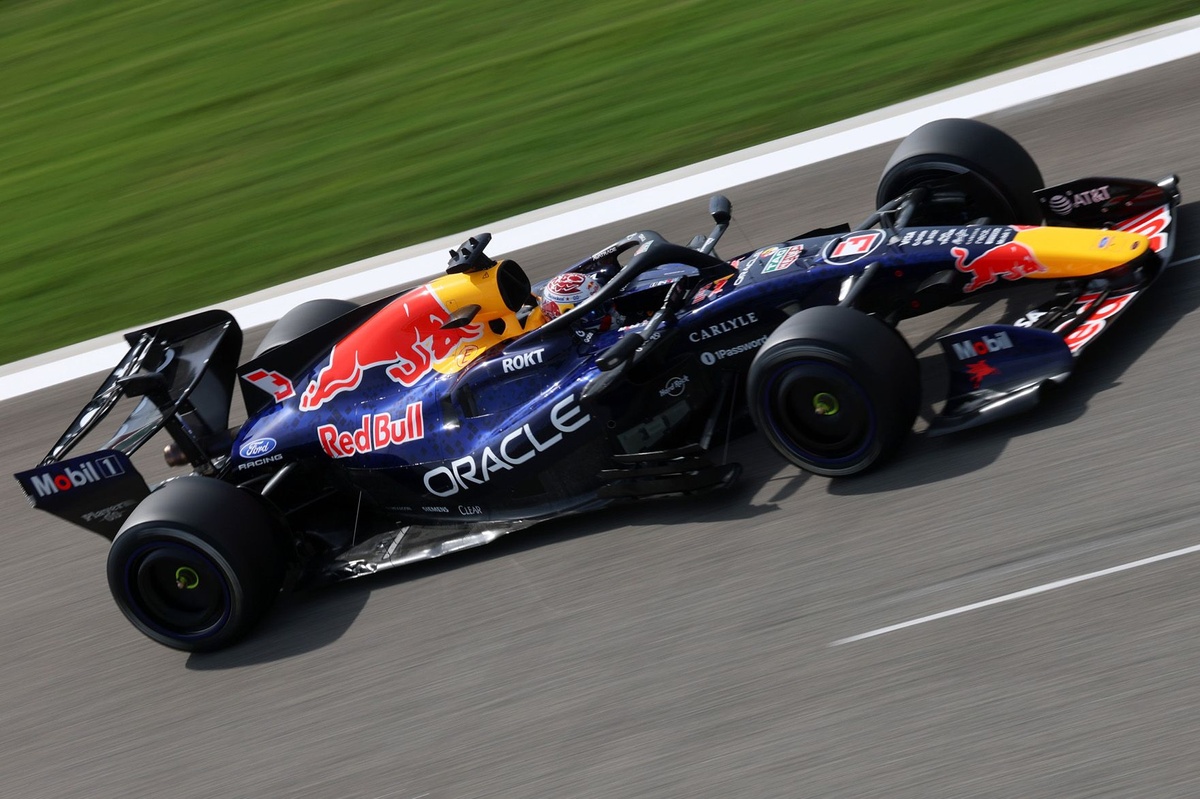

Mercedes-powered teams have been unusually complimentary about Red Bull Racing’s new engine during early 2026 pre-season testing in Formula 1, but that praise may not tell the complete story. Critics say the comments are partly part of a broader political game among teams as they prepare for the season-opening Australian Grand Prix.
At Bahrain testing, Mercedes team principal Toto Wolff publicly called Red Bull’s power unit the “benchmark” and insisted his own squad could not match it. That statement was repeated by various Mercedes-powered teams in the paddock following practice runs.
Red Bull’s technical director Pierre Wache pushed back, arguing that his team was currently fourth in performance behind Scuderia Ferrari, Mercedes AMG Petronas F1 Team and McLaren F1 Team. Wache said that while Red Bull reached useful energy-deployment solutions early, other teams were catching up in that area.

Source: Slash Gear
The focus this season has shifted to how teams harvest and deploy hybrid energy, a factor that can generate large lap-time differences at this early stage. Drivers and engineers warn that poor energy management can cost more than half a second per lap, making early testing results unreliable for ranking the grid.
At the same time, paddock insiders say there is a political element to Mercedes’ public praise. Four-time world champion Max Verstappen suggested Mercedes may be deliberately underplaying its own potential. He said rivals might suddenly reveal more power when teams gather for the season opener in Australia. Verstappen called this a form of “extreme sandbagging”.
There are also broader tensions around regulatory interpretation and ensuring no team gains an unfair advantage from engine technologies. Some teams believe Mercedes has been effective at “hiding” aspects of its performance, though an FIA intervention on power units before Melbourne now appears unlikely.
Despite the debate, one fact is clear. Red Bull’s new engine has shown solid reliability and performance in early mileage, exceeding the low expectations some competitors held before testing began. Technical staff within Red Bull have expressed genuine surprise at how well the unit has run during the first days on track.
Ultimately, experts caution against drawing firm conclusions from Bahrain testing alone. With broad variables like fuel loads, engine modes and energy deployment still being explored, the true competitive order for 2026 will only emerge once the season is underway.


