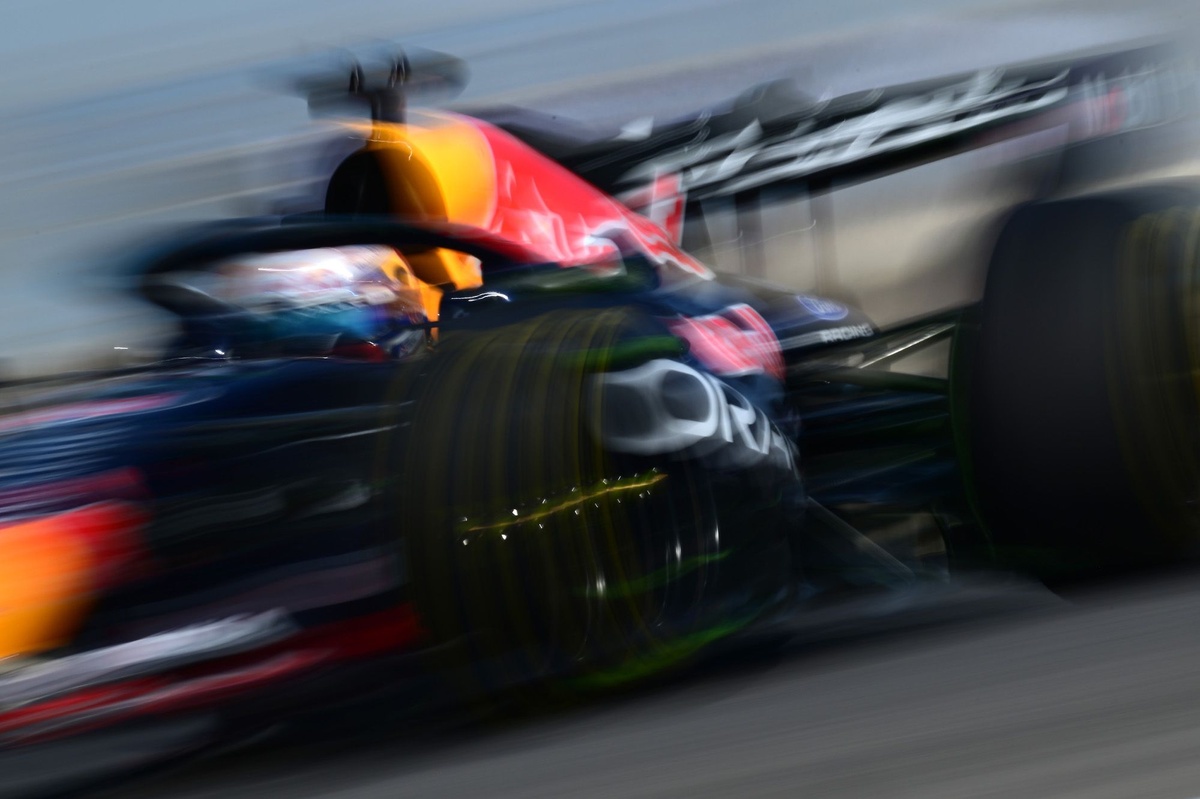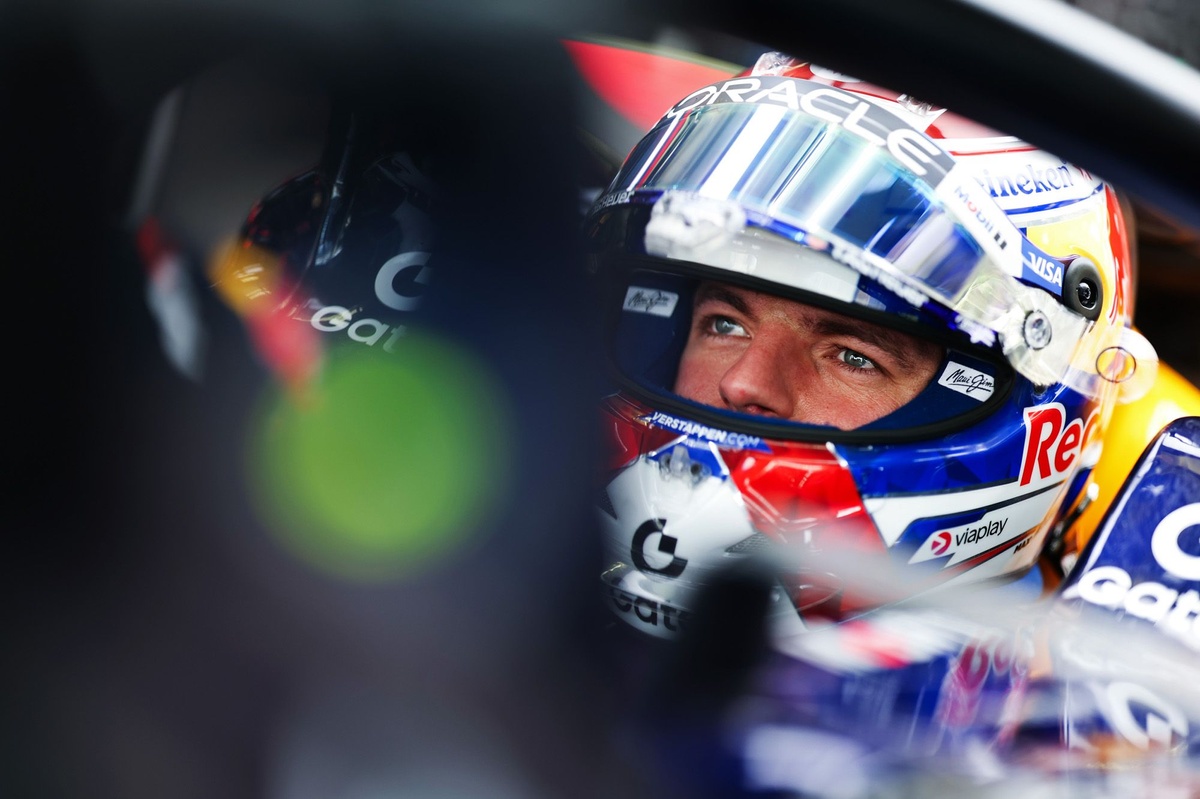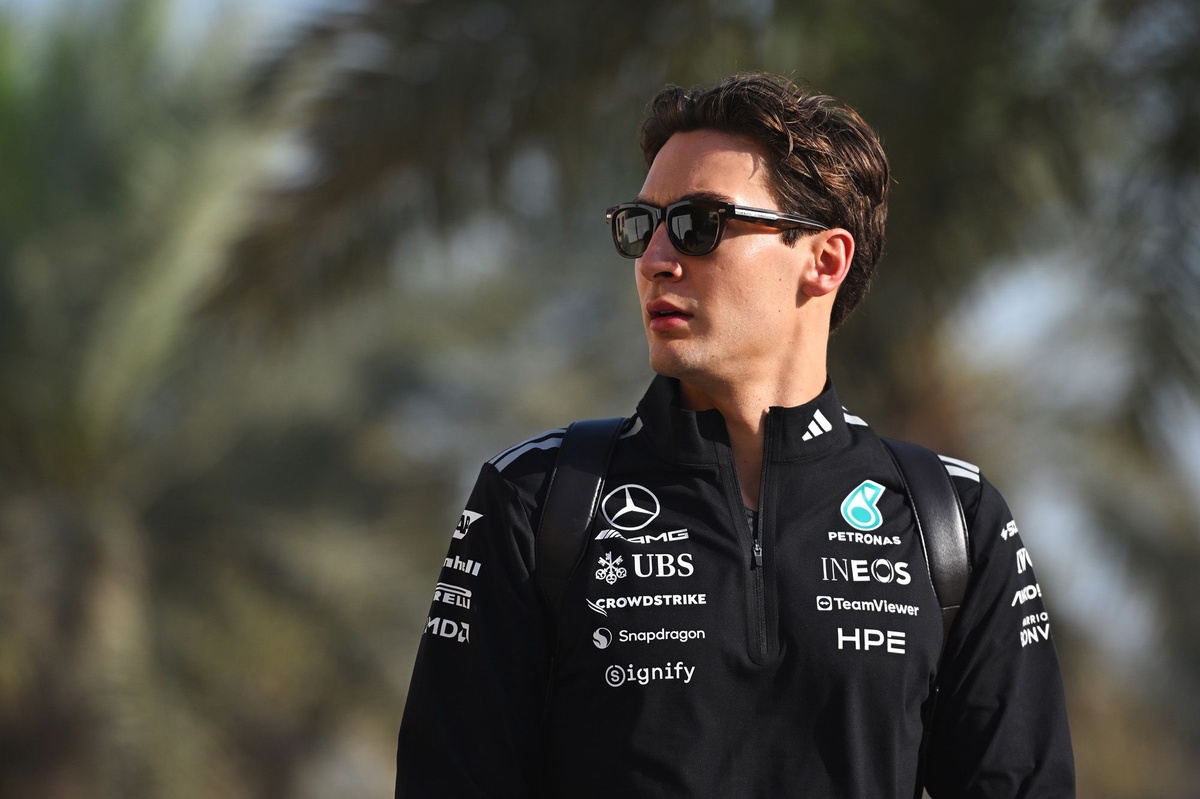

The **F1 2026** pre-season test in **Bahrain** has thrown the paddock into a frenzy, offering the first tantalizing glimpse into the radical new regulations. While raw speed always grabs headlines, these crucial early sessions are truly about endurance and reliability. The **Bahrain** desert certainly delivered a mix of both, showcasing blistering pace alongside some unexpected reliability hiccups that could shape the season.
Key Takeaways from Bahrain
- Mercedes showcased formidable one-lap speed, with Andrea Kimi Antonelli setting the fastest time.
- Mileage, not outright pace, is the critical indicator in pre-season testing for F1 2026.
- McLaren and Williams emerged as the top teams for total kilometers completed.
- Ferrari power units demonstrated superior average mileage per customer team, hinting at robust reliability.
Early Indicators from the Desert Heat
The Silver Arrows' Blistering Pace & Antonelli's Ascent
Mercedes certainly turned heads, dominating the top of the timesheets in **Bahrain**. The **Silver Arrows** were the only team to dip below the 1m34s mark, a clear statement of intent for the upcoming **F1 2026** season.
Italian prodigy **Andrea Kimi Antonelli**, still only 19, recorded the quickest lap across the three-day test. His **1m33.669s** on Friday was a significant **0.249s** faster than teammate **George Russell**, who secured the second-fastest time on the final day.
However, it's crucial to remember that pre-season lap times are notoriously misleading. Teams run varying fuel loads, engine modes, and tire compounds, making direct comparisons unreliable. The real test often lies in consistent running and problem-free mileage.
The Endurance Challenge: Mileage Reigns Supreme
Who Clocked the Laps?
While **Mercedes** shone on the stopwatch, their actual mileage painted a different picture. In testing, accumulating laps is paramount for gathering data, testing components, and ensuring reliability. This is where **Andrea Kimi Antonelli** and **Mercedes** (the team) faced challenges.
Antonelli completed the fewest laps overall, plagued by various technical issues with the **W17** chassis. This limited running is a significant concern, especially when compared to rivals.
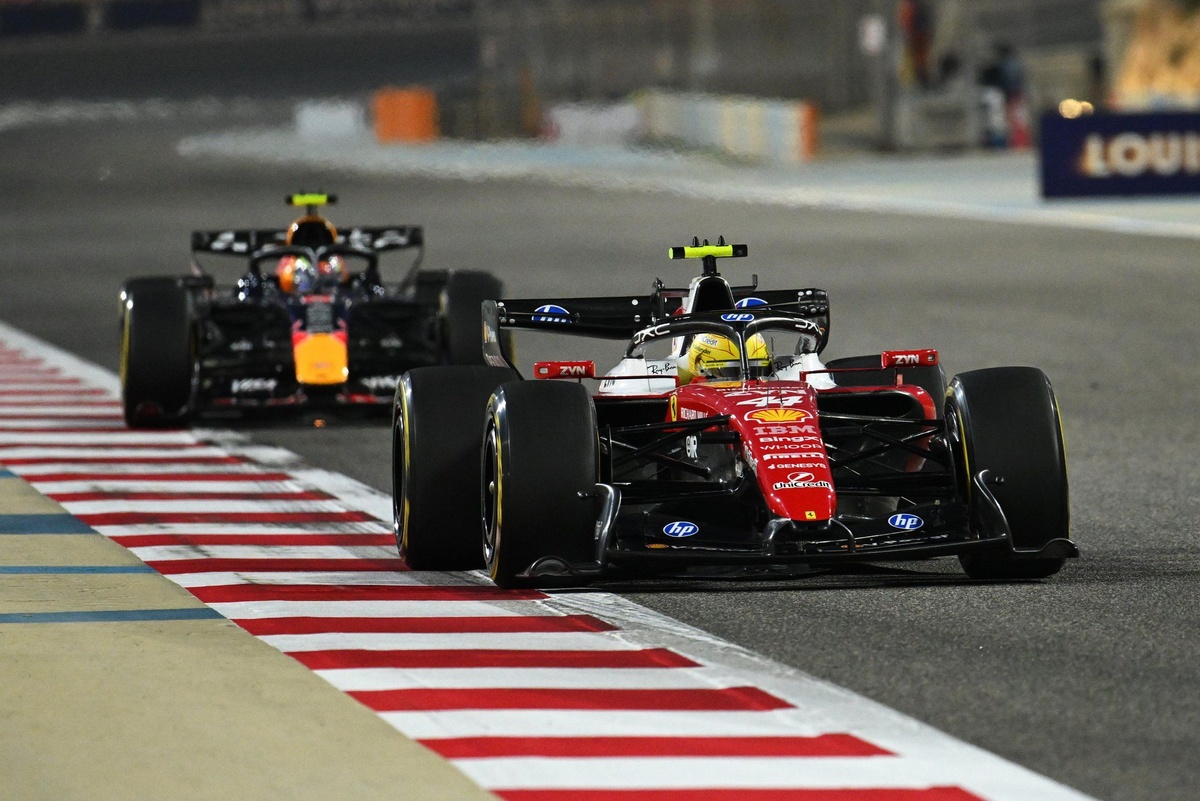
On the other end of the spectrum, seven drivers surpassed the **200-lap** mark, demonstrating impressive reliability. This elite group included **Charles Leclerc**, **Oscar Piastri**, **Carlos Sainz**, **Alex Albon**, **Lando Norris**, **Lewis Hamilton**, and **Oliver Bearman**.
Team-wise, **McLaren** and **Williams** truly excelled, topping the mileage charts with over **2,284km** each. This performance is particularly encouraging for **James Vowles' Williams** squad, who had missed the earlier Barcelona shakedown.
Reliability Woes for Key Contenders
Despite their promising start in Barcelona, **Mercedes** endured various technical difficulties in **Bahrain**, ultimately completing the second-fewest laps as a team. A power unit problem on day two, limiting **Antonelli** to just three laps, highlighted their struggles.
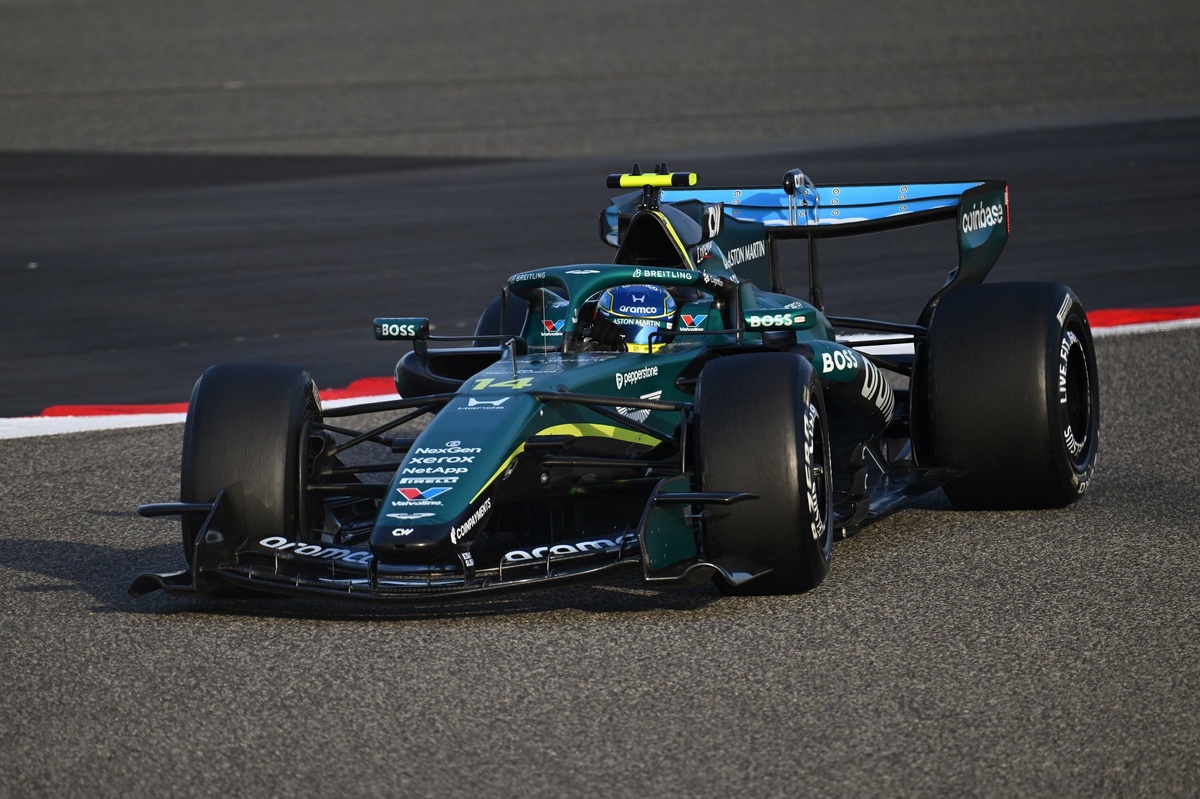
The most concerning performance, however, came from **Aston Martin**. Plagued by delays and technical glitches, they managed just over **1,000km** – the lowest mileage of any team. This lack of running could be a major setback for their **F1 2026** preparations.
The Battle Under the Hood: Power Unit Performance
Mercedes' Overall Dominance (by Volume) vs. Ferrari's Efficiency
When looking at power unit manufacturers, **Mercedes** accumulated the most total mileage, exceeding **13,000km**. This isn't surprising, as the **Mercedes** engine is the most prevalent on the grid, powering four different teams.
However, **Ferrari**'s power units showcased superior efficiency. Each team powered by the Italian marque averaged over **2,000km** in **Bahrain**, suggesting strong inherent reliability and performance per customer.
Audi's Surprising Debut and Honda's Setback
Newcomer **Audi**, operating with only its factory squad, performed remarkably well. Their mileage was just below the overall **Mercedes** average and notably above **Red Bull**'s power unit average, an impressive feat for an **F1** debutant.
Conversely, **Honda**, supplying power units to **Aston Martin**, struggled significantly. They completed the least mileage of all five power unit manufacturers in **F1**, raising concerns about their readiness for the demanding 2026 regulations.
What Does It All Mean for F1 2026?
The **F1 2026 Bahrain test** has delivered a complex narrative. **Mercedes** clearly has raw speed, but questions linger over their early reliability. **McLaren** and **Williams** displayed impressive endurance, while **Ferrari**'s power units look remarkably robust.
With new regulations always bringing a shake-up, this early data suggests that the **F1 2026** season is shaping up to be an unpredictable and thrilling battle, where sustained performance will be just as crucial as outright pace.