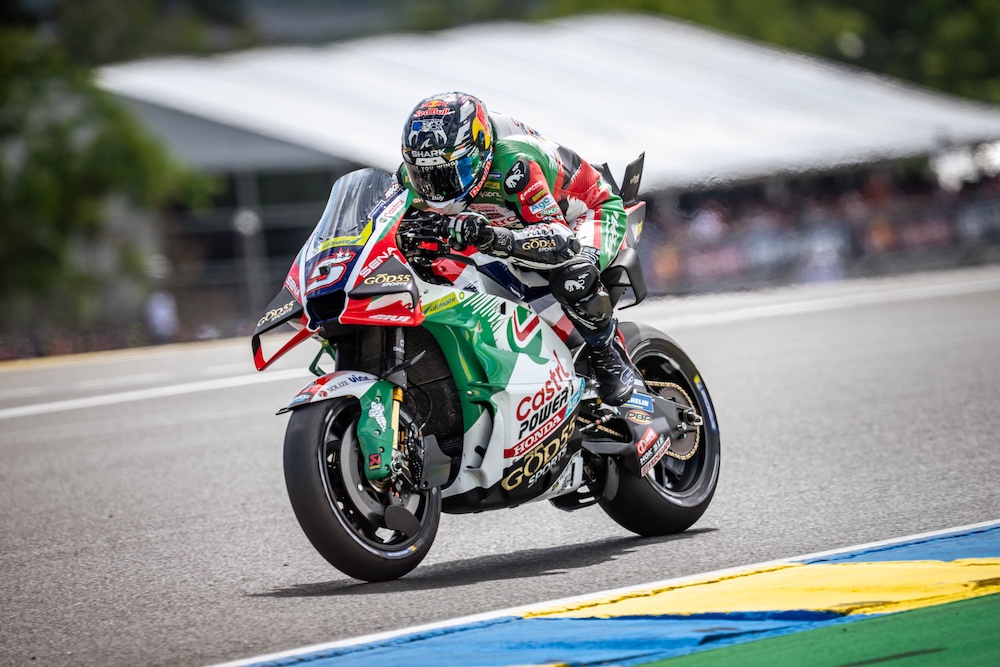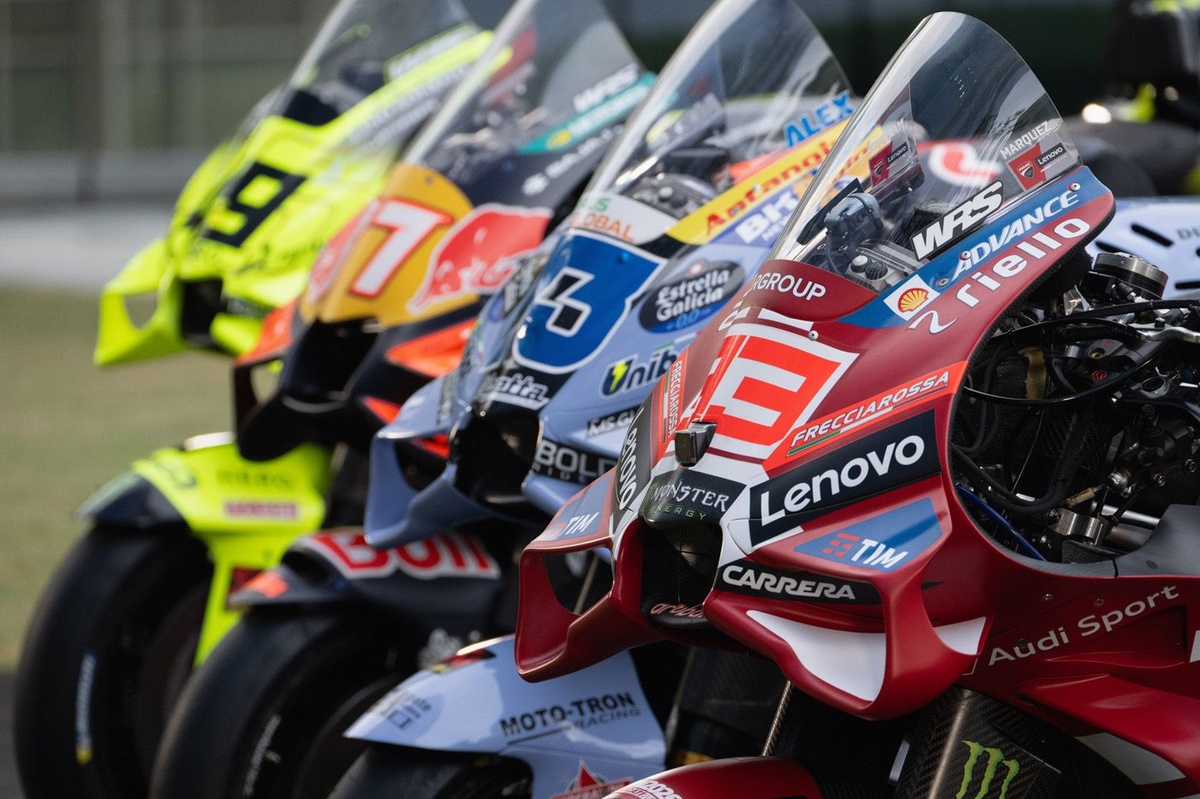

The upcoming 2027 regulation overhaul is set to reshape MotoGP in ways not seen in decades, with teams already deep into development as they prepare for a complete technical reset.
After years of relative stability, the current era will conclude at the end of 2026. The new rules will introduce 850cc engines, reduced aerodynamics, a ban on ride height devices, and a switch to a single tyre supplier in Pirelli. Together, these changes effectively require manufacturers to build entirely new machines from the ground up, making early development decisions critical.
Among the first to act was KTM, which rolled out its prototype 850cc engine late last year. Test rider Pol Espargaro put the early version of the RC16 through its paces at Jerez, giving the team a valuable head start. Since then, Honda and Yamaha have also begun testing, while Aprilia and Ducati are expected to follow soon.
For KTM technical director Sebastian Risse, the challenge lies in achieving balance across several new elements at once. The reduced power output, simplified aerodynamics, and unfamiliar tyres must all work together seamlessly. Rather than focusing on one area, teams are being forced into a more holistic approach to bike development.

Source: Roadracing World
The move to 850cc engines will naturally reduce horsepower, particularly in the early stages of development. Aerodynamic restrictions, including smaller fairings and reduced downforce, will further shift the performance balance. KTM has reported encouraging early results with its new engine, suggesting gains in efficiency even with lower power figures.
Risse noted that less power changes how teams approach aerodynamics. Instead of chasing maximum downforce, engineers may prioritise efficiency and overall balance. He also pointed out that tyres have performance limits, meaning excessive aerodynamic load can sometimes work against a rider rather than improve lap times.
The introduction of Pirelli tyres adds another layer of uncertainty. While initial feedback has been positive, the specifications are still evolving, making it difficult for teams to fully optimise their bikes. Development is expected to be an ongoing process, with both machines and tyres improving in parallel.
Testing opportunities will play a crucial role in shaping the competitive order. Official sessions are scheduled at Brno in June and after the San Marino Grand Prix in September, alongside private manufacturer tests. However, tyre availability is likely to be the biggest constraint, limiting how much data teams can gather before the new era begins.
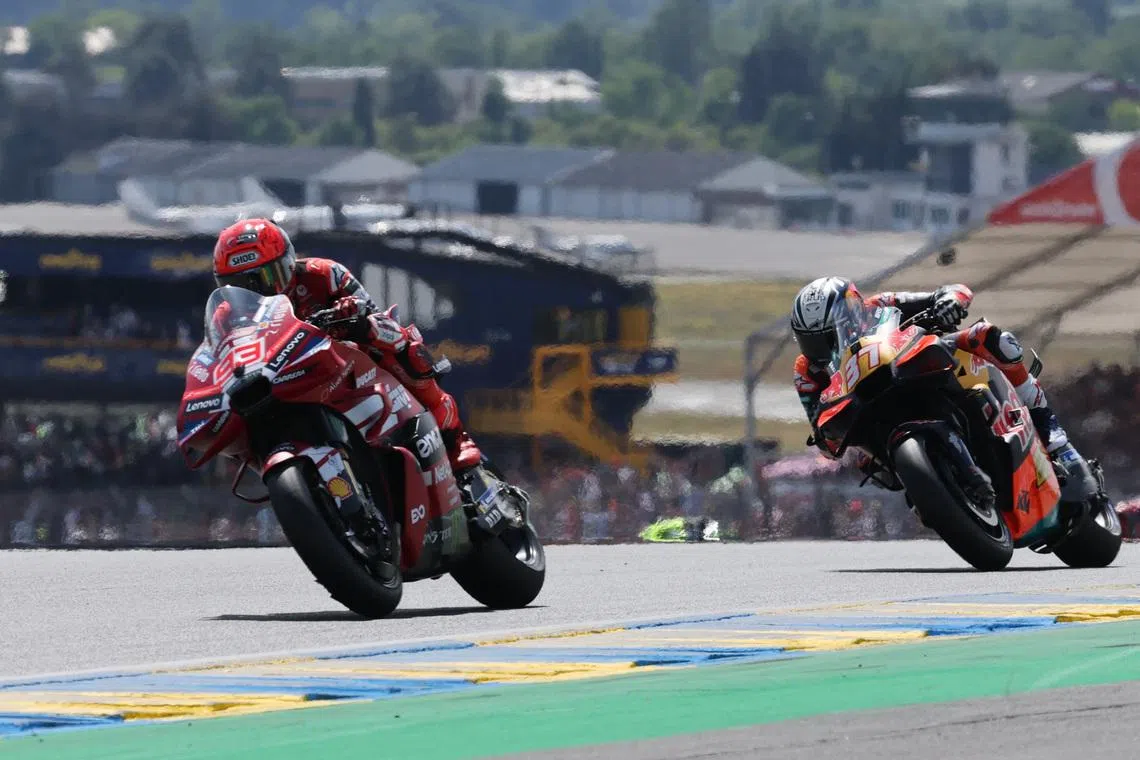
One of the key aims of the 2027 regulations is to improve racing quality. Current aerodynamic designs have made it difficult for riders to follow closely, often overheating the front tyre in traffic. With reduced aero influence and new tyres, there is hope that races will become closer and more competitive, though the outcome remains uncertain.
Lap times are also expected to vary depending on the circuit. Tracks that rely less on outright power, such as Misano World Circuit Marco Simoncelli and Circuito de Jerez, could see minimal changes. Power dependent circuits, however, are likely to produce slower overall times.
With so many variables still in play, the 2027 season is shaping up to be a defining moment for MotoGP. Teams that adapt quickly to the new technical landscape will gain a crucial advantage, while others risk falling behind in what promises to be a highly competitive new chapter.