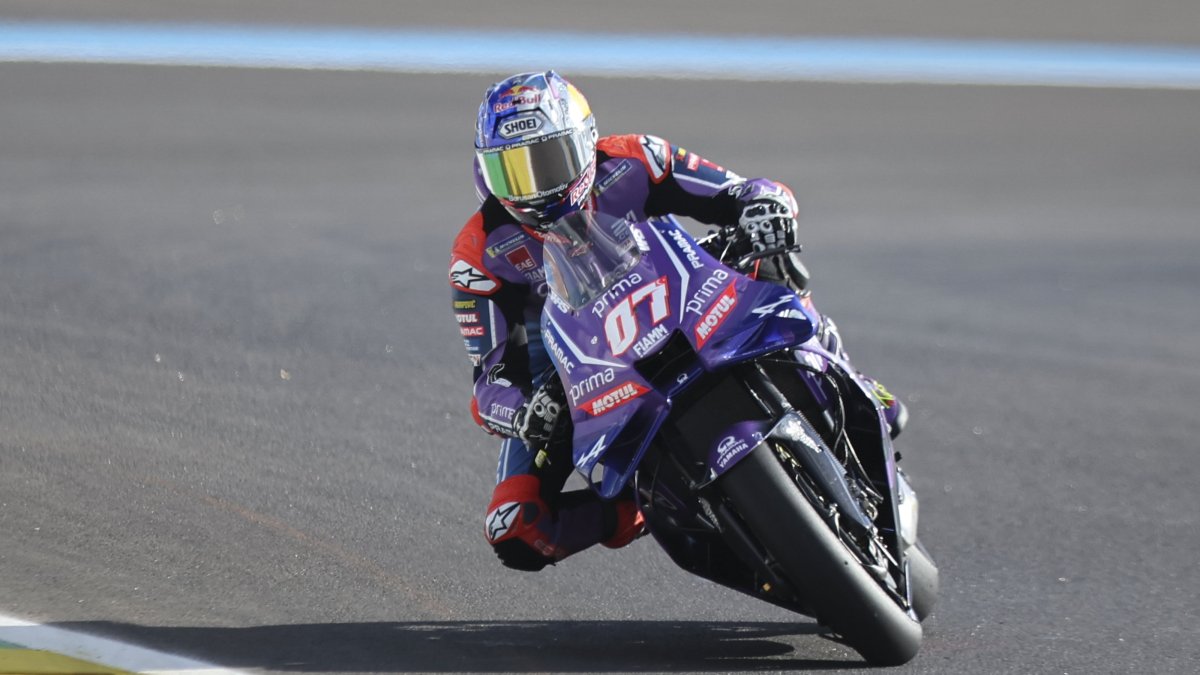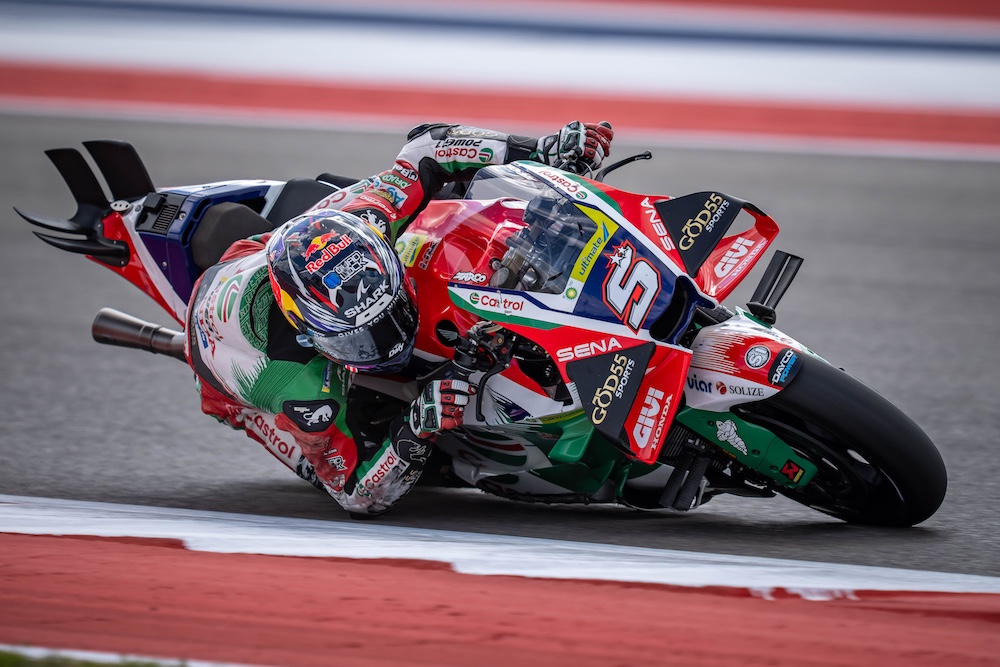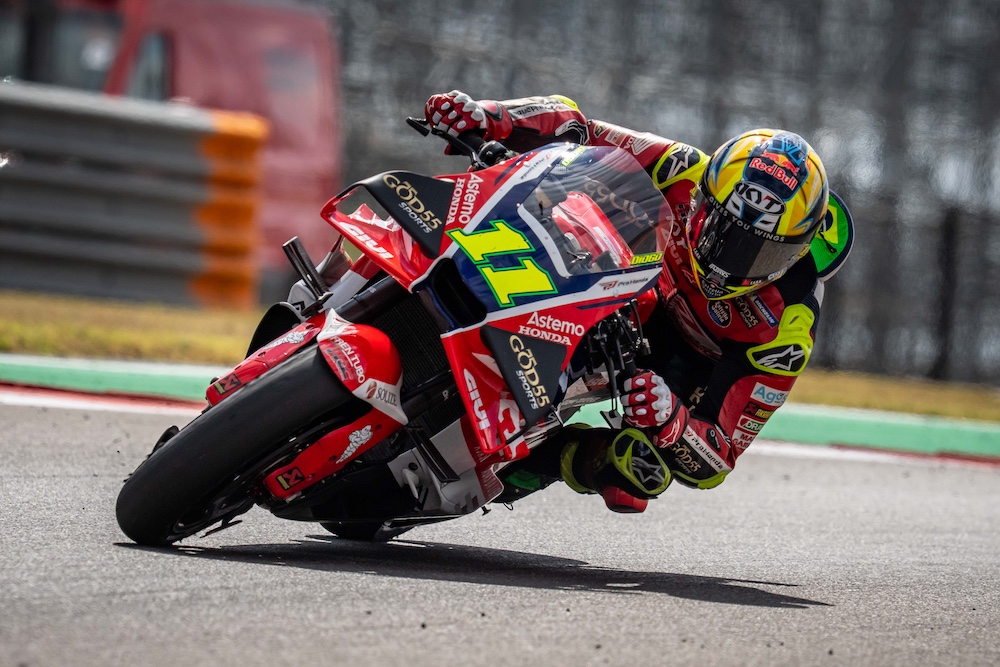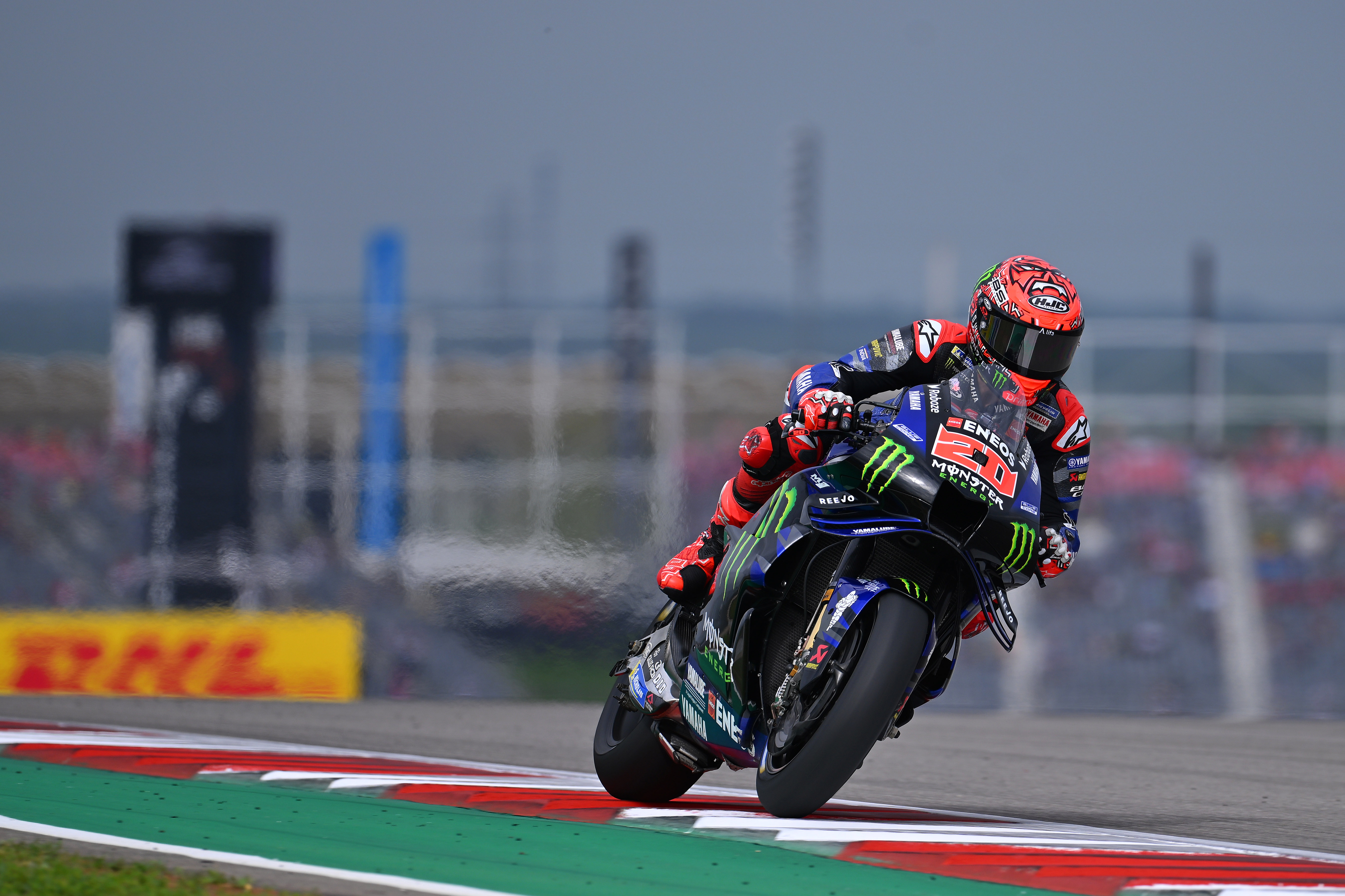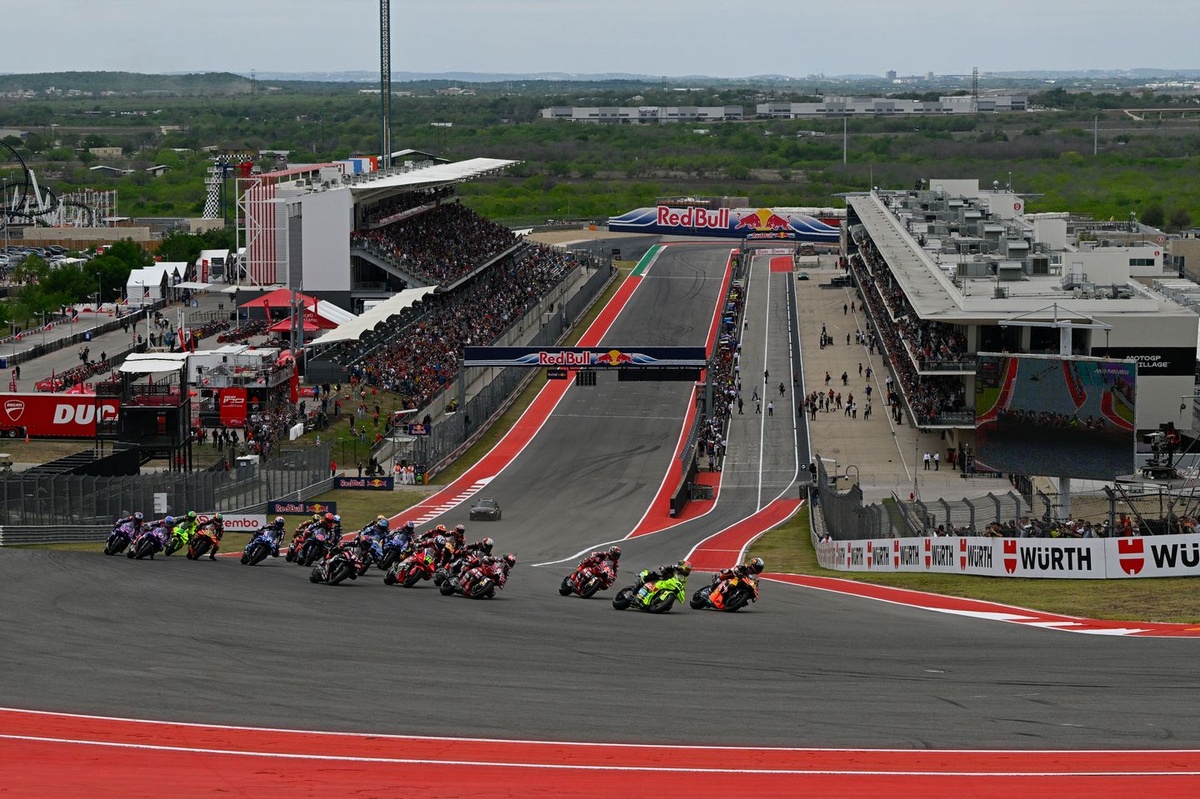

The roar of a MotoGP engine isn't the only force pushing bikes to their limits anymore; aerodynamics has become a silent, powerful partner. The story of winglets in MotoGP is one of audacious innovation, controversy, and a constant quest for speed, now facing a seismic shift in 2027.
Key Points:
- Ducati pioneered aggressive winglets in 2015 for downforce and stability.
- Initially banned in 2016 due to safety concerns and rising costs.
- Re-emerged as integrated "aerobodies" in 2017, boosting performance significantly.
- Current aero creates "dirty air," hindering overtakes and raising tire issues.
- 2027 regulations aim to drastically reduce aero impact, focusing on rider skill.
The Dawn of Downforce: Ducati's Bold Bet
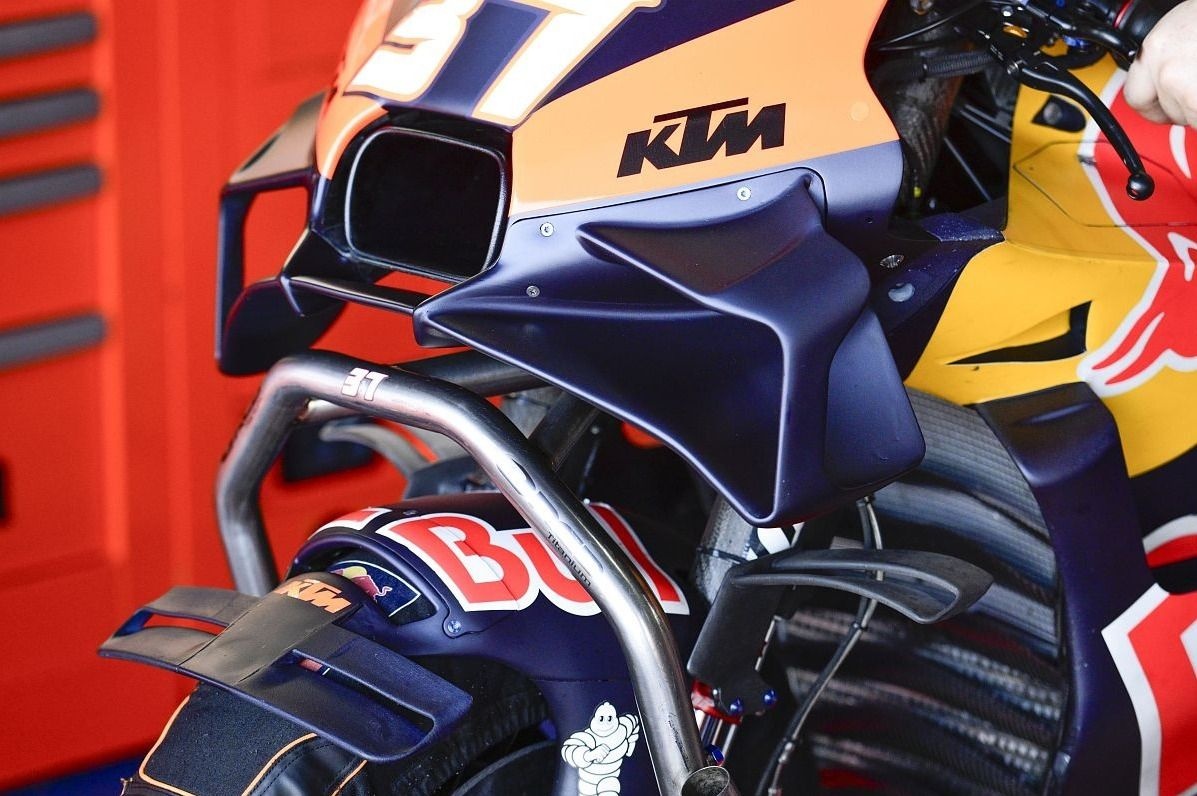
MotoGP always pushes boundaries, but in 2015, Ducati unleashed something visually radical: winglets. These front-mounted appendages weren't just for show; their purpose was pure performance.
With bikes growing ever more powerful, Ducati sought a solution to the persistent wheelie problem. By generating targeted downforce on the front wheel, these early winglets kept the bike planted. Riders could open the throttle sooner, gaining a crucial edge.
The Controversial Carbon & The Ban Hammer
Success breeds scrutiny. While Ducati reaped benefits, other teams voiced concerns over escalating development costs. The real flashpoint, however, was safety. Made from sharp carbon fiber, these protruding wings sparked fears of injuries in high-speed crashes or close-quarters racing.
The governing body, FIM, intervened in 2016. The original, aggressive winglets were banned. This wasn't just about safety; the FIM aimed to curb an aerodynamic "arms race" that could disadvantage less wealthy teams.
From Protrusions to Integrated Power: The Aerobody Era
The ban wasn't the end, but a pivot. By the 2017 season, new rules permitted aerodynamic elements, but only if seamlessly integrated into the bike's bodywork. Gone were the sharp, standalone wings, replaced by sophisticated "aerobodies."
This ushered in a new design philosophy. Manufacturers poured resources into complex fairing shapes, internal air channels, and multi-stage winglets. The FIM wisely limited designs per season, striking a balance between innovation and cost control. Modern MotoGP machines now feature winglets not just upfront, but also side guides, diffusers, and even swingarm-mounted aero.
The Double-Edged Sword of Modern Aero
The benefits are undeniable. Enhanced downforce provides remarkable stability under braking and at high speeds, while improving corner-exit grip. This allows riders to push harder and achieve blistering lap times.
However, there's a significant downside. These advanced aerodynamic profiles create a turbulent "dirty air" trail behind the leading bike. This disturbed airflow robs following riders of crucial front-end pressure, making it incredibly difficult to stay close and attempt overtakes.
The Tire Pressure Conundrum
The "dirty air" effect isn't just about stability. Reduced cooling from the disrupted airflow leads to dangerous spikes in front tyre pressure. This compromises grip and exacerbates the difficulty of wheel-to-wheel combat. Many riders feel that while aero boosts lap times, it detracts from the spectacle of close racing.
2027: Reclaiming the Rider's Edge
Acknowledging these concerns, the FIM has laid down groundbreaking 2027 regulations specifically targeting aerodynamics. The clear objective is to shift the emphasis back to rider skill and facilitate more thrilling, close-quarters racing.
Key changes include a significant reduction in the maximum front fairing width, shrinking from 600mm to 550mm. The "nose" of the bike must also recede by approximately 50mm. Rear aero components will see their height cut by roughly 10cm, with manufacturers restricted to a single update per season in this area.
Bidding Farewell to Ride-Height Devices
Further reinforcing the shift, highly technical ride-height devices and holeshot systems will be completely banned in 2027. These systems, which allow temporary suspension adjustments for improved balance and launch, are seen as another element detracting from raw rider input.
These comprehensive measures are designed to drastically reduce the aerodynamic advantage and minimize turbulent air. The hope is that with less reliance on aero, MotoGP will deliver more classic, rider-centric battles. While many welcome these bold steps, the ultimate impact on racing remains a hotly debated topic.
![Arif-Roy King struggle to play 'no lift game' [WATCH]](https://assets.nst.com.my/images/socialmedia/B588A6E4DEE05E8B70337C1510469812_data_1.jpg)