
The Grand Expansion: A Stable Future?
The roar of MotoGP bikes echoes across more circuits than ever before, but behind the thrilling expansion lies a high-stakes game of contract negotiations that will shape the championship's future for years to come. With 22 Grands Prix and a total of 44 races (including sprints) by 2025, understanding the MotoGP circuit contracts is crucial for fans.
Key Points:
- MotoGP is expanding its calendar, mirroring Formula 1's strategy with a focus on long-term deals for stability.
- Many legendary European venues and critical Asian markets have secured their places on the MotoGP calendar well into the 2030s.
- Several beloved circuits, including Mugello, Silverstone, and Phillip Island, currently face expiring contracts after 2026, raising questions about their future.
- Strategic new additions in Brazil and Argentina highlight MotoGP's ambition for global reach.
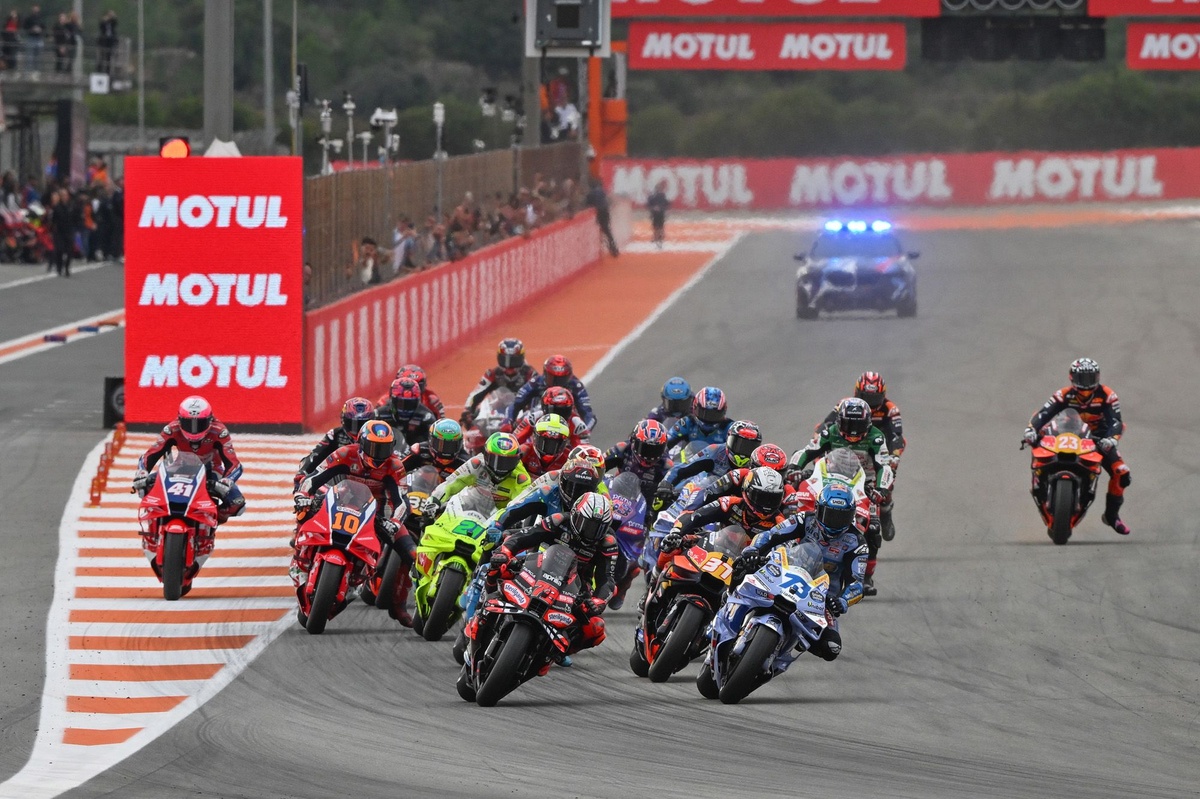
MotoGP is undergoing a significant transformation, with its calendar reaching an unprecedented 22 Grands Prix in 2025. This expansion, coupled with the introduction of sprint races, means riders are now tackling a staggering 44 races annually. The championship's approach to securing venues is also evolving, increasingly mirroring Formula 1's strategy of forging long-term agreements for greater stability.
This shift has resulted in many European circuits, long considered the backbone of the MotoGP calendar, securing their spots well into the next decade. However, not all tracks share this certainty, with several key venues facing contract expirations as early as 2026. This creates a fascinating dynamic of security versus uncertainty across the global racing map.
Decade-Long Deals: The Pillars of the Calendar
For many circuits, the future of MotoGP is firmly set, with contracts extending through 2030 and beyond. These long-term commitments are vital for both Dorna and the promoters, providing confidence for investment and development. This stability ensures that fans can plan to visit their favorite tracks for many seasons to come.
European Strongholds: Tradition Meets Long-Term Vision
Europe remains the heartland of MotoGP, and several iconic tracks have locked in their positions for the foreseeable future. The historic Jerez circuit in Spain, a continuous fixture since 1987, recently renewed its deal until the end of 2031. This ensures Spain's passionate fanbase will continue to flock to this legendary venue.
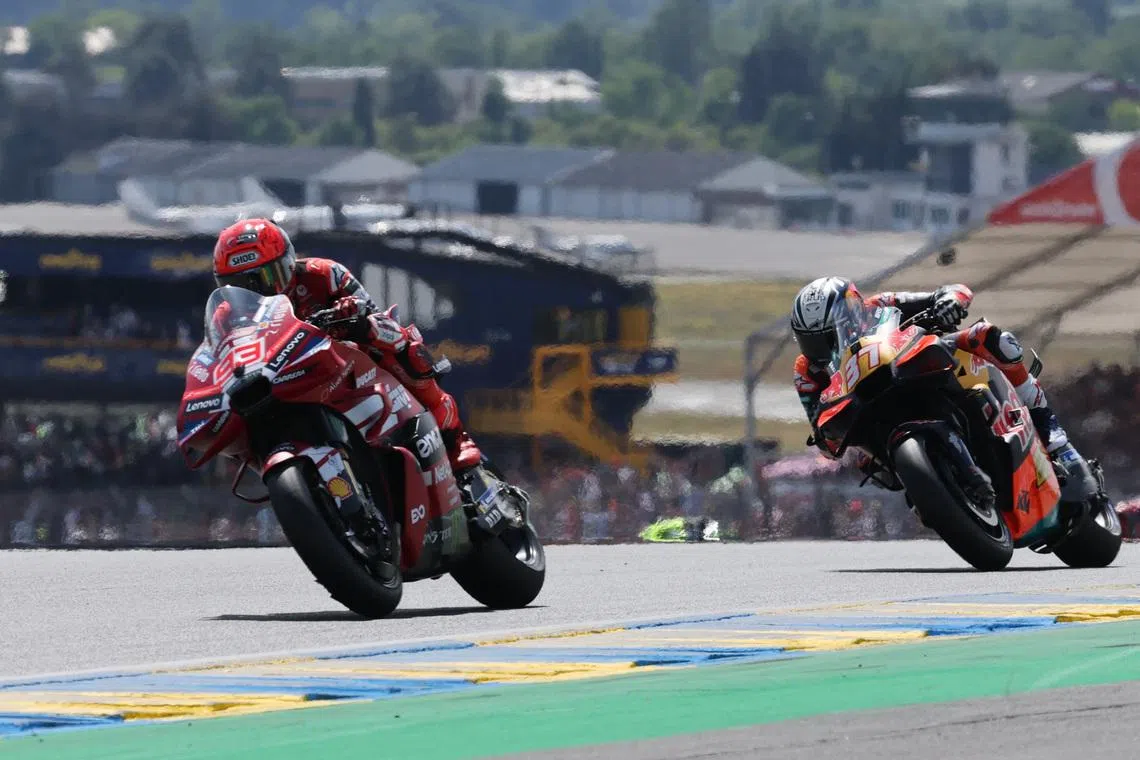
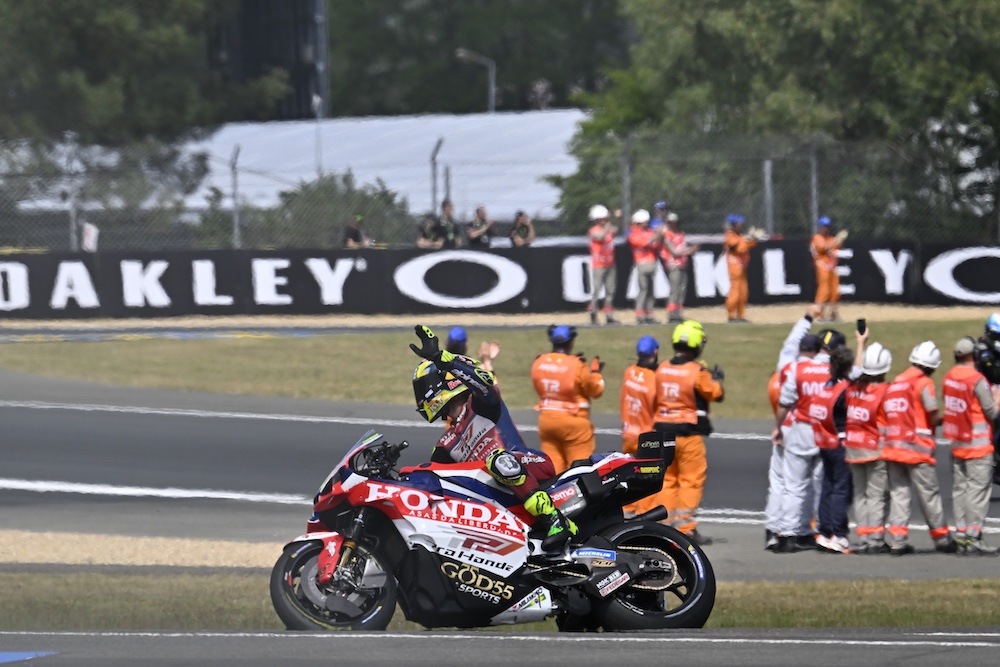
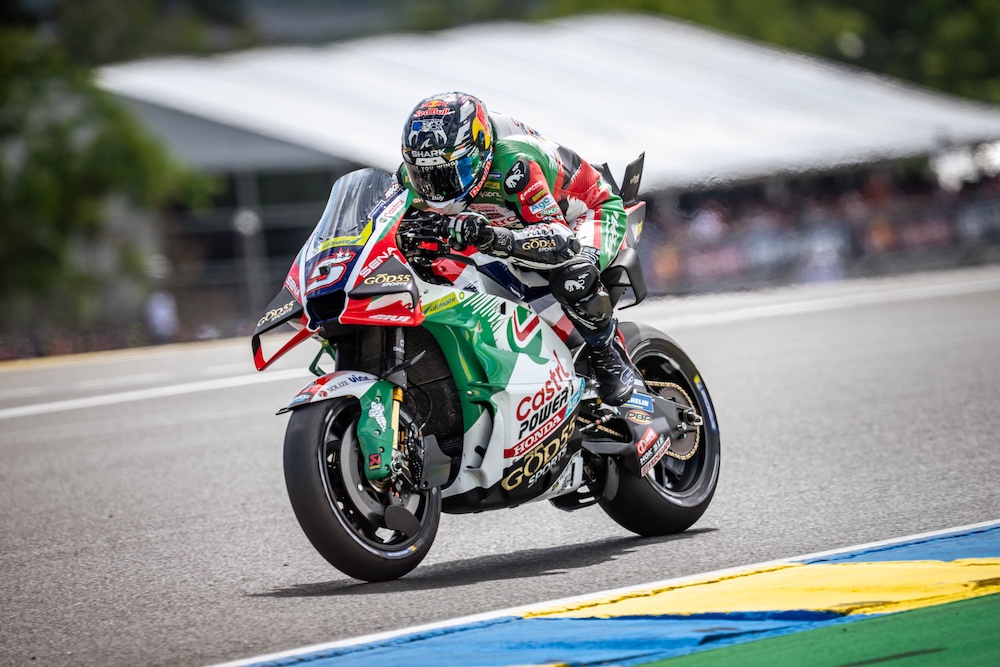
Similarly, the French Grand Prix at Le Mans has cemented its place until 2031, following a new agreement in 2025. This popular event recorded the championship's largest-ever attendance in 2025, proving its enduring appeal. The Catalan GP at Barcelona also joins this elite group, securing its future until 2031 after a 2025 deal, promising many more thrilling races.
The legendary TT Circuit Assen, home to the Dutch GP, will continue its storied legacy until at least 2031, thanks to a 2024 extension. Germany's Sachsenring also boasts a 2031 deal, notably coinciding with the 100th anniversary of racing in the region in 2027. The San Marino GP at Misano and the Austrian GP at Spielberg have also secured their spots until 2031 and 2030 respectively, guaranteeing a strong European presence.
Even the return of the Czech Grand Prix at Brno, a hugely popular and historic circuit, has been secured with a five-season deal until 2029. The Circuit Ricardo Tormo in Valencia, a consistent season finale host, extended its contract until 2031 after facing significant challenges with flooding in 2024.
Global Growth: New Horizons Secured
Beyond Europe, MotoGP is solidifying its presence in key international markets. The Thailand Grand Prix at Buriram, a vital Asian event since 2018, famously secured a five-year extension until 2031 in November 2025, quashing previous doubts. This underscores the importance of the Southeast Asian fanbase.
Qatar's Lusail Circuit, a staple since 2004 and often the season opener, has a long-standing agreement running through 2031. In Japan, the Honda-owned Motegi circuit, the permanent home of the Japanese GP since 2004, renewed its deal until 2030 in 2025. Indonesia's Mandalika circuit, which joined in 2022, is also understood to have a long-term 10-year agreement extending to 2031, though official confirmation on the duration remains pending.
The Circuit of the Americas (COTA) in Austin, Texas, continues to host the US Grand Prix until at least 2027, following a reinforced agreement. The United States remains a crucial market for the championship, and COTA delivers a unique challenge for riders.
The 2026 Cliff Edge: Venues on the Hot Seat
While many circuits enjoy long-term security, a handful of fan-favorite venues currently have contracts set to expire after 2026. This situation creates an element of uncertainty, leaving fans and promoters eager for news on renewals.
Italy's picturesque Mugello circuit, a fixture since 1994 and owned by Ferrari, currently has a deal extending only until 2026. Discussions for a new contract are anticipated soon, given its popularity. Similarly, Silverstone's contract for the British Grand Prix concludes after 2026, with its future currently unclear. Its importance to the British motorsports scene is undeniable, and fans are hoping for a quick resolution.
Spain's Aragon (Motorland) also sees its agreement conclude after 2026, despite a 2024 restructuring that guaranteed annual races until then. The circuit, which debuted in 2010, has become a regular feature. Further afield, Phillip Island, the beloved host of the Australian GP, is also facing contract expiry after 2026. Its unique layout and stunning location make it a fan favorite, leading to intense speculation about a potential renewal.
Finally, the Malaysian Grand Prix at Sepang and the Portuguese GP at Portimao both have contracts ending after 2026. Sepang organizers are confident of a renewal, while Portimao's future is less certain, especially given the Portuguese government's recent new Formula 1 deal. These circuits represent significant regional fanbases, and their retention is crucial for MotoGP's global appeal.
New Entries & Ambitions: Where MotoGP is Heading Next
MotoGP's expansion isn't just about renewing old ties; it's also about forging new ones. Brazil will make a highly anticipated return to the calendar in 2026 at the revamped Autodromo Internacional Ayrton Senna in Goiania, with a five-season deal through 2030. This marks Brazil's first MotoGP event since 2004, opening up a crucial South American market.
Looking further ahead, Argentina is set to rejoin the championship in 2027 at the renovated Autodromo Oscar y Juan Galvez in Buenos Aires, replacing Termas de Rio Hondo. This move further strengthens MotoGP's footprint in South America. Additionally, Hungary made its debut in 2025 at Balaton Park, a new venue that has undergone significant upgrades, and is confirmed for 2026, although its full contract length remains undisclosed.
The landscape of MotoGP circuit contracts is a dynamic blend of tradition and strategic expansion. While many circuits enjoy long-term security, the impending expirations at others create compelling storylines for the championship's future.
.png)