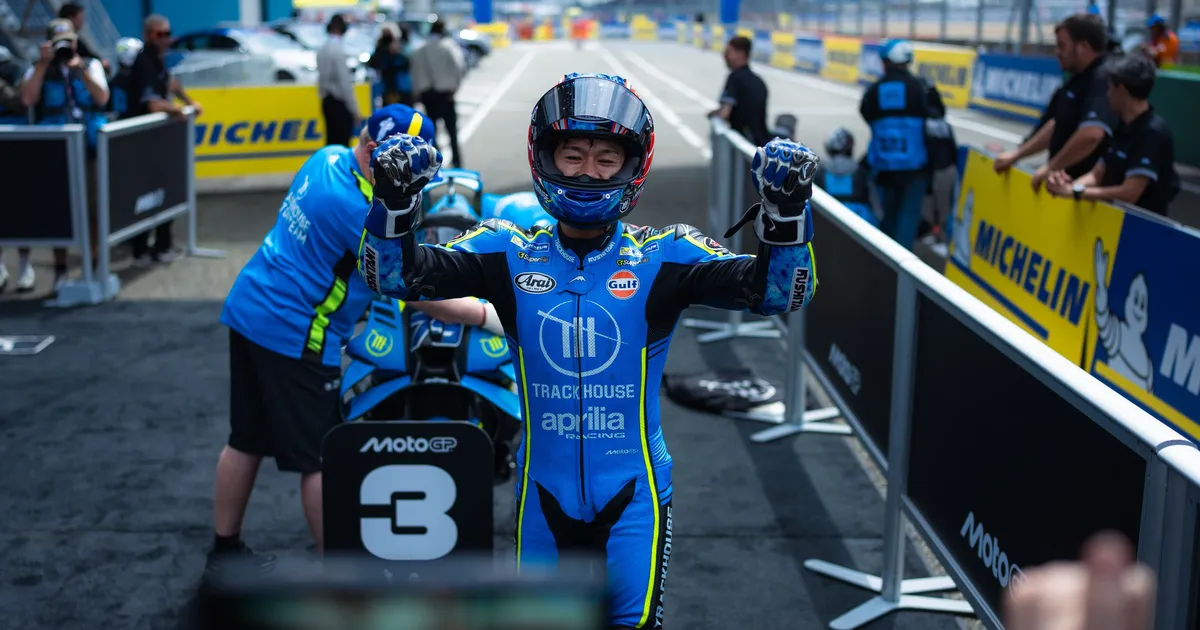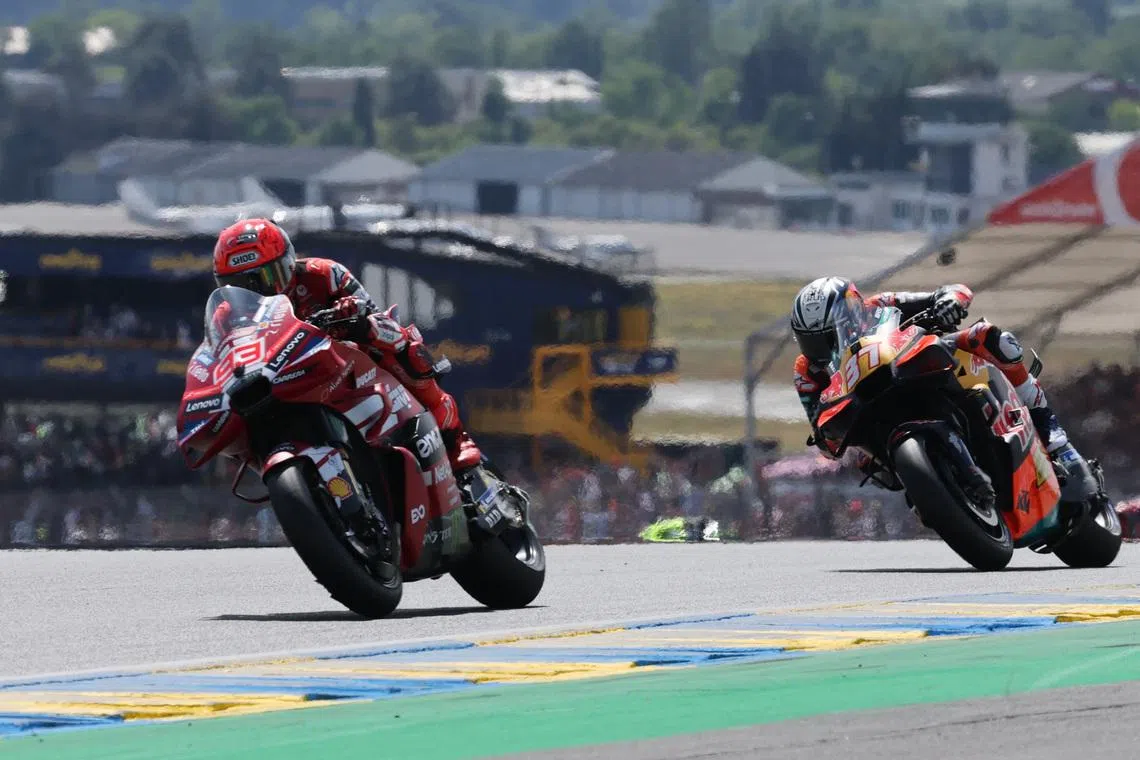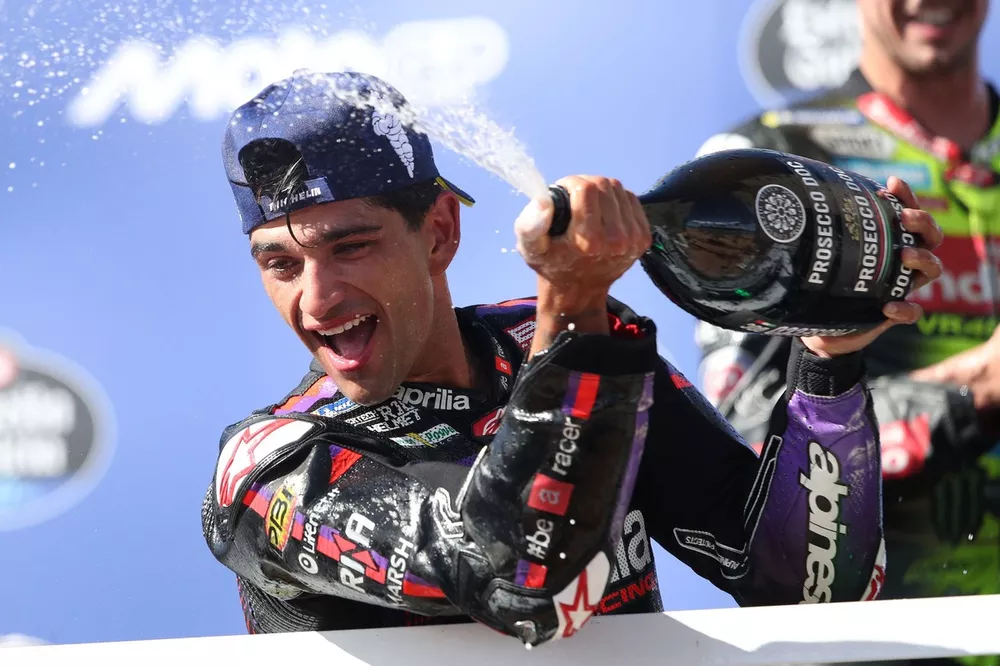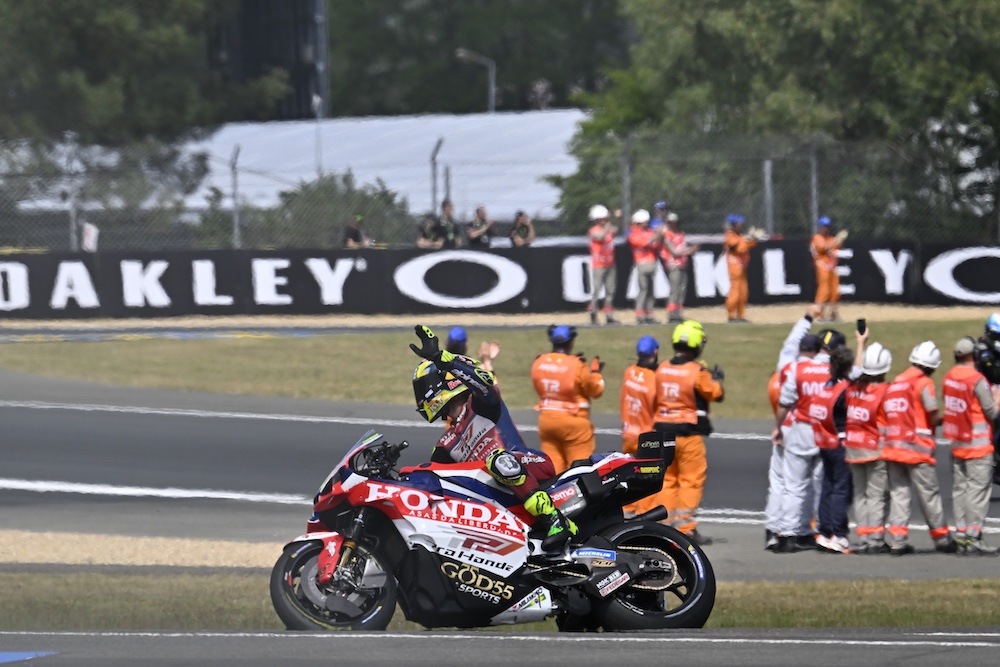

The roar of a MotoGP engine isn't the only sound echoing through the paddock; a growing chorus of riders is now questioning the relentless pace of the championship. The 2025 MotoGP season pushed the limits, expanding to a record 22 Grands Prix and featuring 44 races with the full-time inclusion of sprint events. While fans crave more action, elite athletes like Fabio di Giannantonio and Johann Zarco are speaking out, revealing the brutal physical and mental toll of a calendar that feels increasingly unsustainable. This isn't just about racing; it's about survival.
Key Takeaways from the Paddock:
- MotoGP's 2025 calendar featured a record 22 Grands Prix and 44 races (including sprints).
- Fabio di Giannantonio and Johann Zarco highlight the extreme physical and mental fatigue felt by riders.
- Athletes struggle to maintain peak fitness and mental sharpness amidst constant travel and racing.
- Some riders, like Marco Bezzecchi and Francesco Bagnaia, acknowledge the challenge but emphasize love for the sport and the benefits of global expansion.
The Relentless Grind: Riders on the Brink
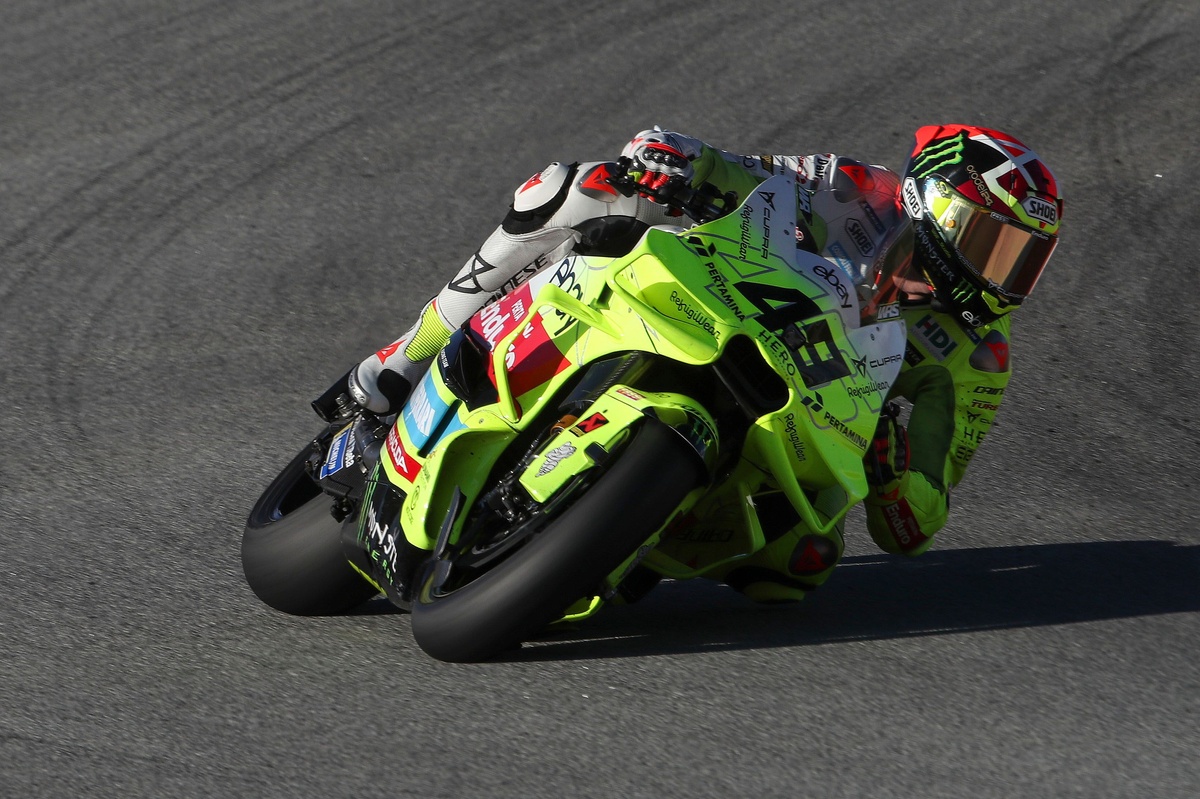
Fabio di Giannantonio of VR46 didn't mince words after the Valencia finale. "Too many races. Too many travelling days, too many for the body. 44 races, [it is] too many," he stated. This intense schedule leaves "zero training" time, making it nearly impossible to maintain peak physical condition throughout the season.
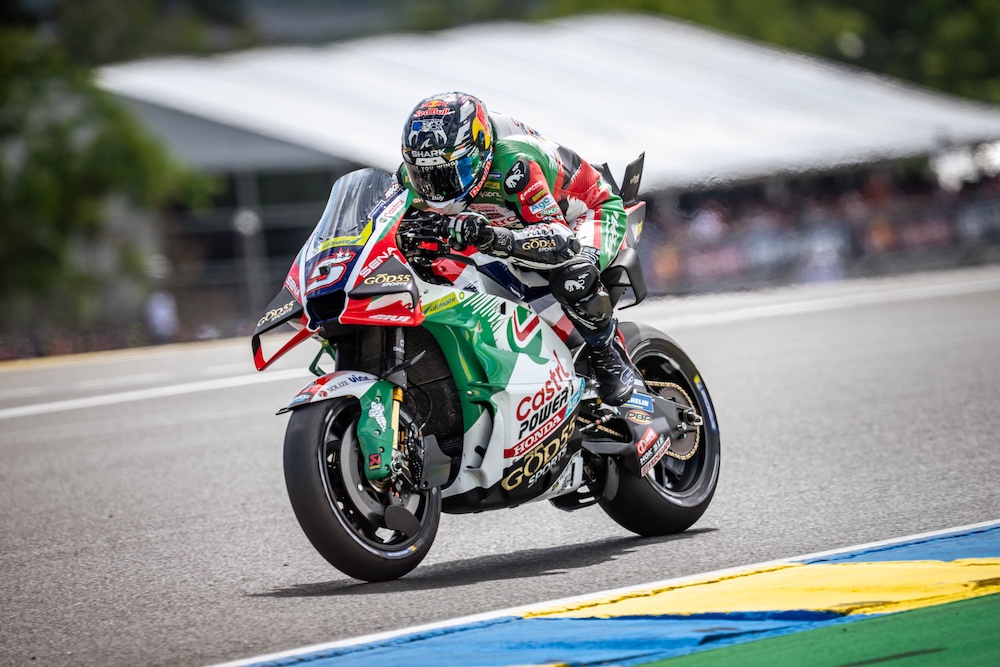
The sentiment was echoed by LCR Honda's Johann Zarco, who described the body "struggling" under the weight of 22 races. He noted riders often arrive at weekends with only "70% or 80% of the energy," a worrying statistic in a sport demanding absolute precision.
Zarco also highlighted the immediate post-season pressure of the Valencia test. Even after the final checkered flag, riders must remain hyper-focused for crucial development work. A dip in energy here isn't just suboptimal; it's "dangerous" when pushing a prototype machine to its limits.
A Divided Paddock: Passion vs. Punishment
Not every rider views the expanded MotoGP calendar with the same level of concern. Marco Bezzecchi, formerly di Giannantonio's teammate, offered a more nuanced perspective. He believes a rider's mood and performance significantly influence their perception of the schedule.
"If you are going well, you enjoy and you feel that the races are going super quick," Bezzecchi explained, citing his strong finish to 2025 with Aprilia. While acknowledging the physical and mental demands of 44 races, he concluded that "we are doing what we love, so it's ok" when performing well and connected with the team.
Reigning champion Francesco Bagnaia of Ducati generally supports the global expansion. He appreciates exploring new venues outside of Europe and sees the calendar as a "fair" aspect of professional racing. However, even he admitted a desire for the 2025 season to conclude earlier, suggesting a personal limit to the extended grind.
The Unseen Cost: Injuries and Momentum
Rising star Pedro Acosta from KTM offers another critical viewpoint. While he sees the increased race count as beneficial for maintaining competitive "flow," he emphasized the harsher consequences of injuries in the current climate.
In previous seasons, an injury might mean missing one or two races. Now, with the packed schedule, a similar setback could cost a rider "four in a row," severely impacting championship hopes. This makes every crash, every minor mishap, exponentially more damaging to a rider's campaign.
MotoGP's ambition to rival Formula 1 in global reach is clear, with new markets in Asia, Hungary, and returning races in the Czech Republic and Argentina driving the expansion. Yet, the question remains: at what cost to the athletes who deliver the spectacle? The debate over the optimum calendar size is far from over.