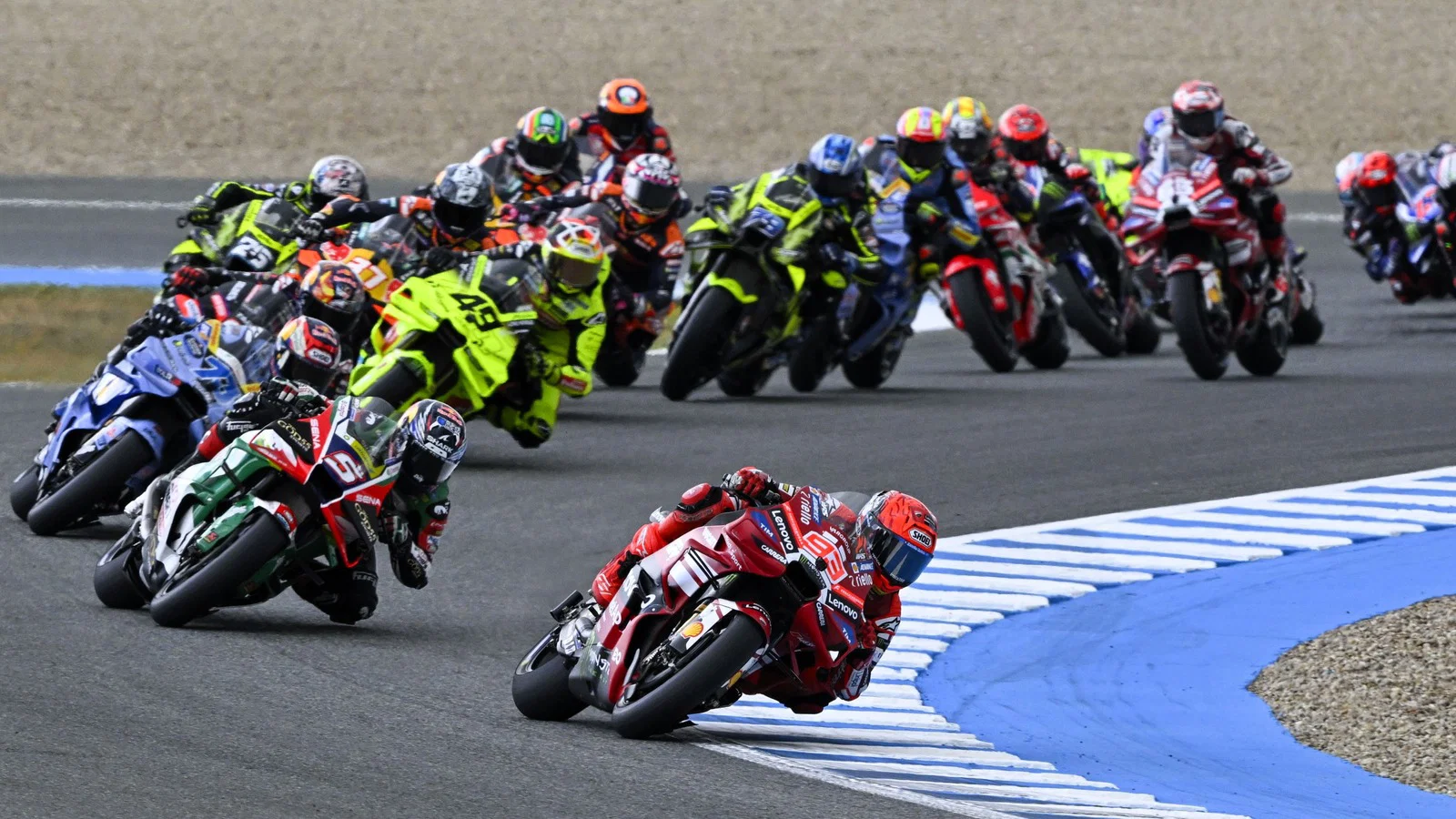
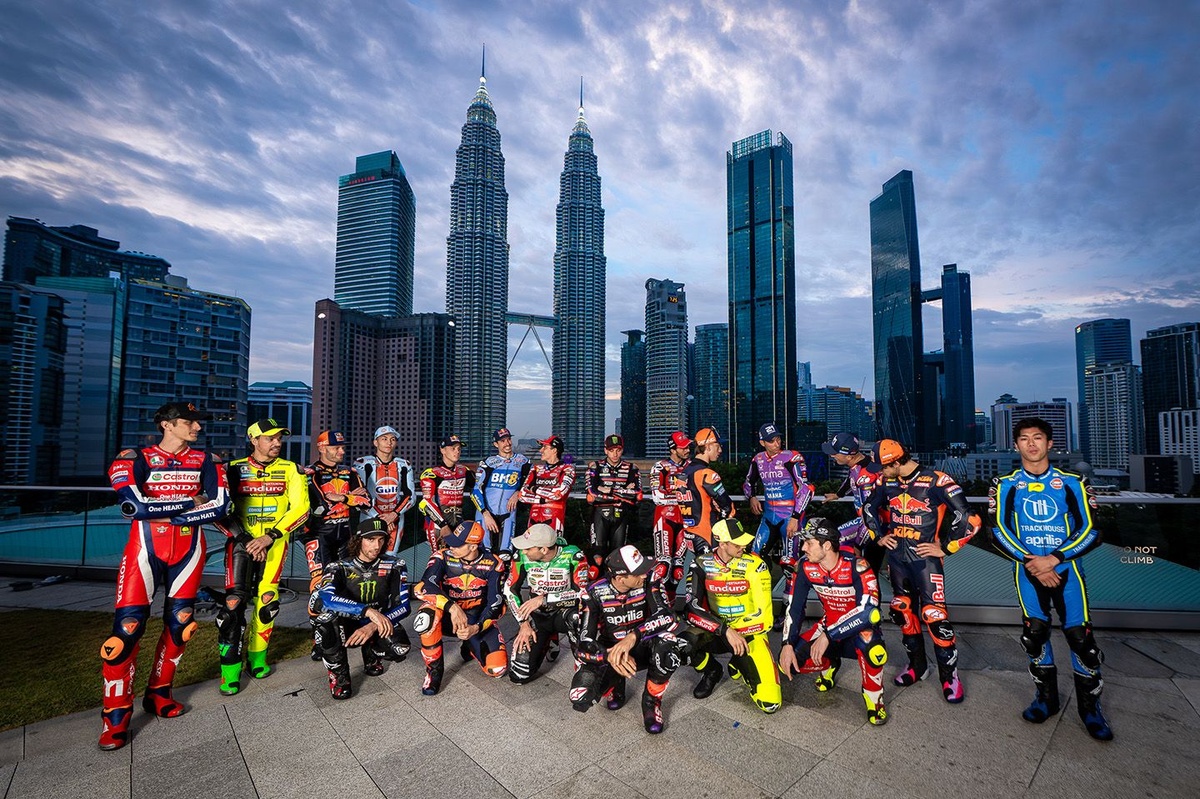

MotoGP is closing in on a landmark financial reform that will guarantee every premier class rider a minimum annual base salary of approximately RM2.29 million from 2027 onwards.
The proposal forms part of the new commercial agreement covering the 2027 to 2031 cycle and is understood to be in its final stages. Once approved, every rider on the MotoGP grid will be assured this minimum base pay, marking one of the most significant contractual changes in the sport’s modern era.
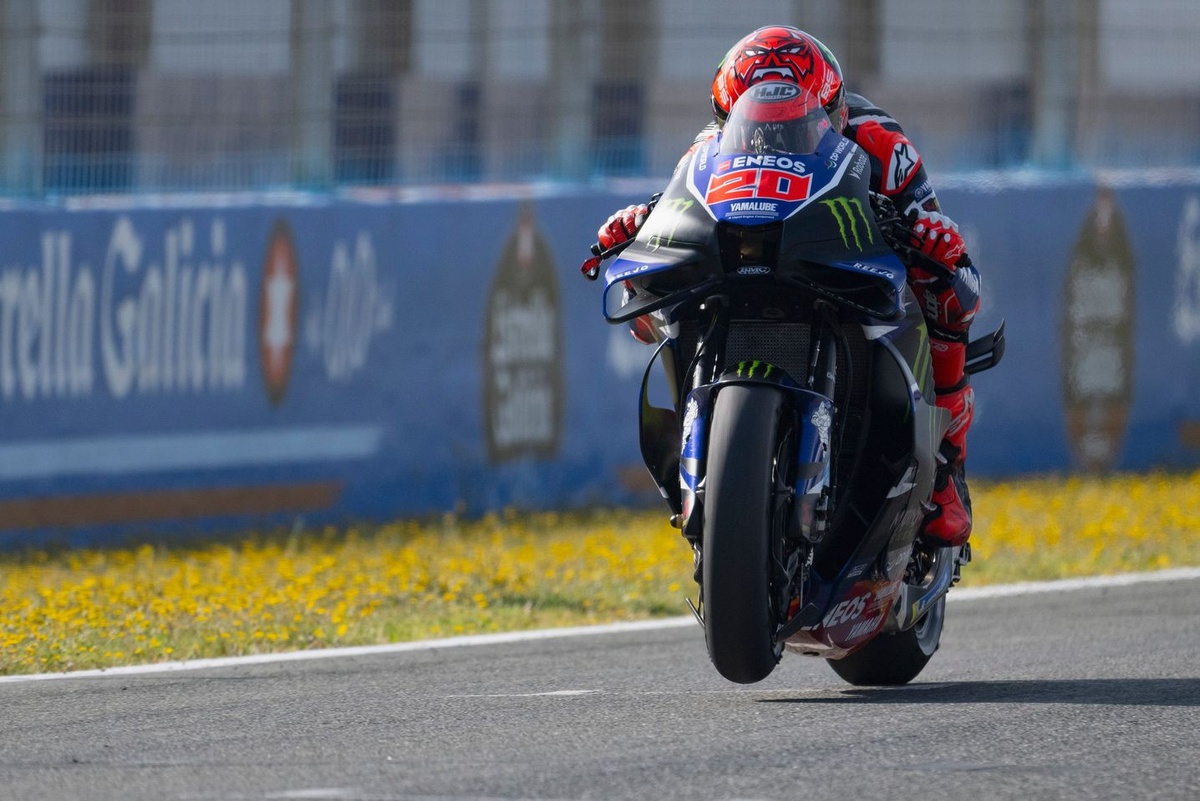
For years, MotoGP salaries have reflected a sharp divide. Superstars such as Marc Marquez and Fabio Quartararo reportedly earn well above RM45 million per season in base salary alone, while some riders at the other end of the grid have competed on contracts worth roughly RM550,000 annually. That gap has long raised questions about balance and financial security within the championship.
The new minimum salary, set at around RM2.29 million based on current exchange rates, applies strictly to base pay and does not include bonuses tied to performance, results, or sponsorship. Even so, it establishes a guaranteed financial foundation for every rider competing at the highest level of motorcycle racing, reflecting both their elite status and the risks involved in the sport.

Source: Corsedimoto
The initiative has been driven by MotoGP’s commercial rights holder in collaboration with teams, with the clause already included in draft agreements. Key stakeholders, including the Motorcycle Sports Manufacturers Association, are expected to finalize the framework during meetings in Buriram as part of the broader five year commercial structure.
Efforts to improve rider protection are not new. Previous attempts to create a stronger collective voice for competitors, including proposals involving former racer Sylvain Guintoli, struggled to gain traction due to funding and organizational challenges. This time, the change is being implemented at championship level, giving it stronger structural backing and a clearer path to enforcement.
If ratified, the move will reshape the financial landscape of MotoGP from 2027 onward. Beyond narrowing the earnings gap, it is expected to strengthen rider welfare, improve talent retention, and ensure that every athlete on the grid can focus fully on performance without extreme financial uncertainty.