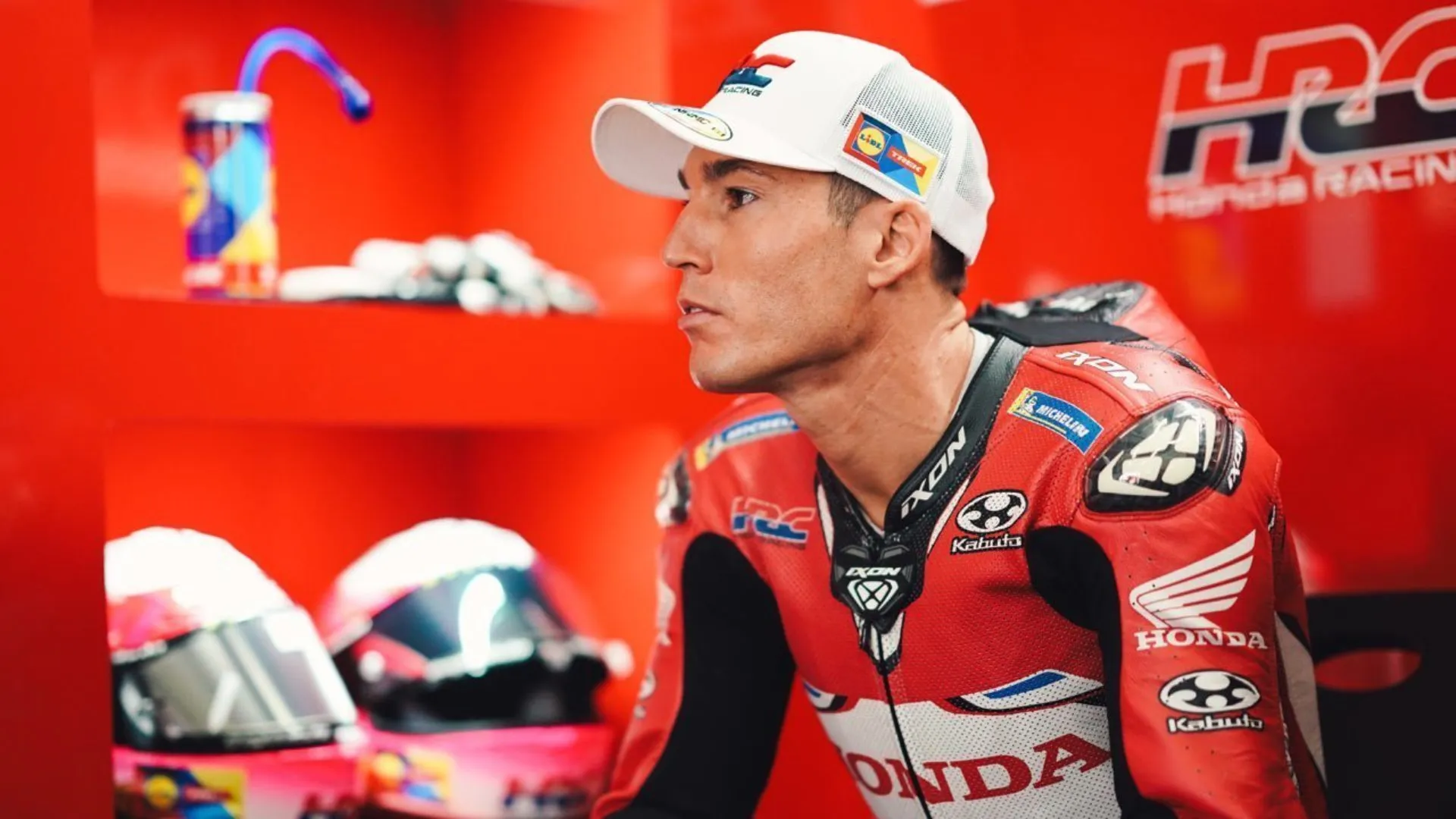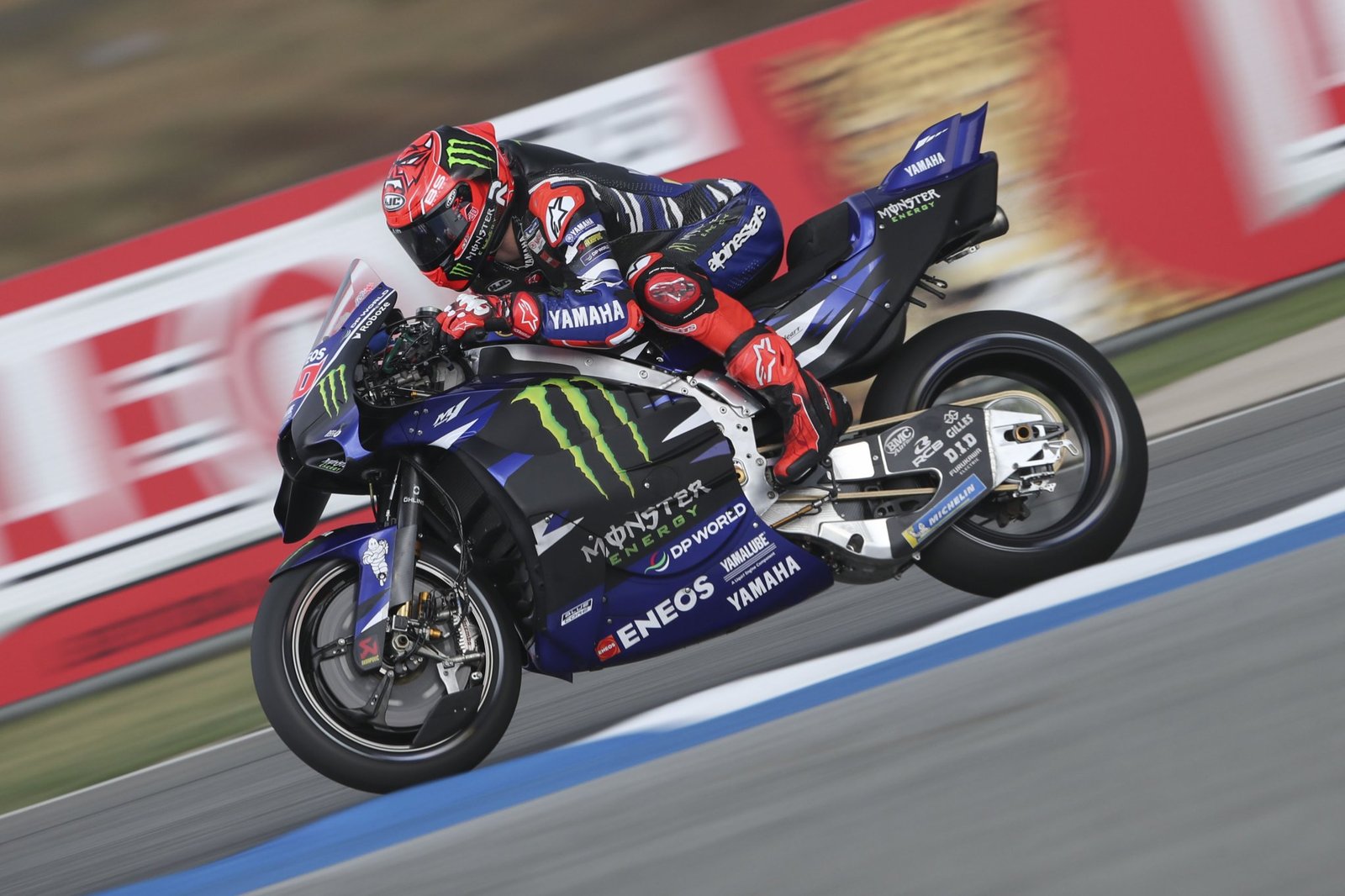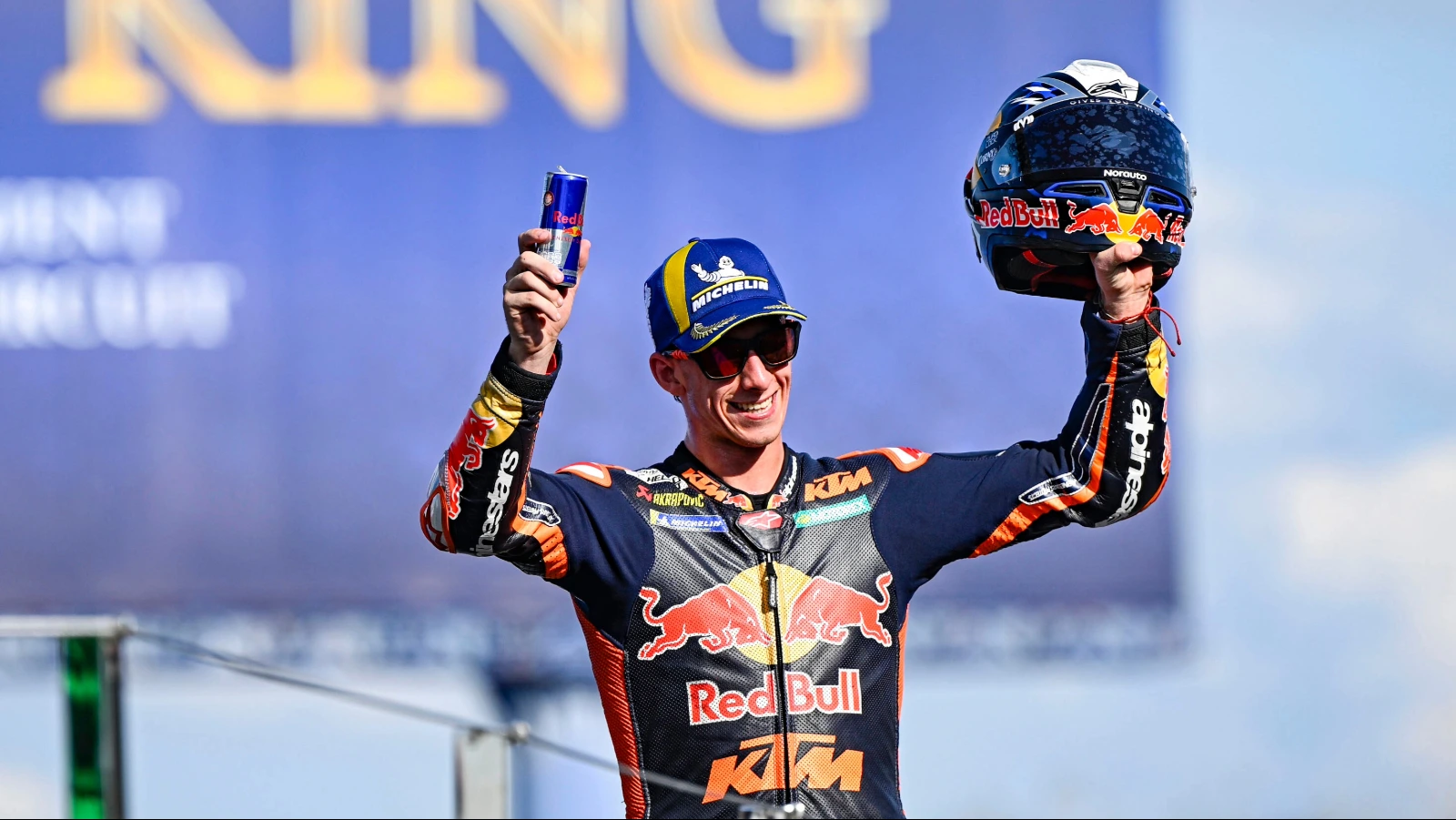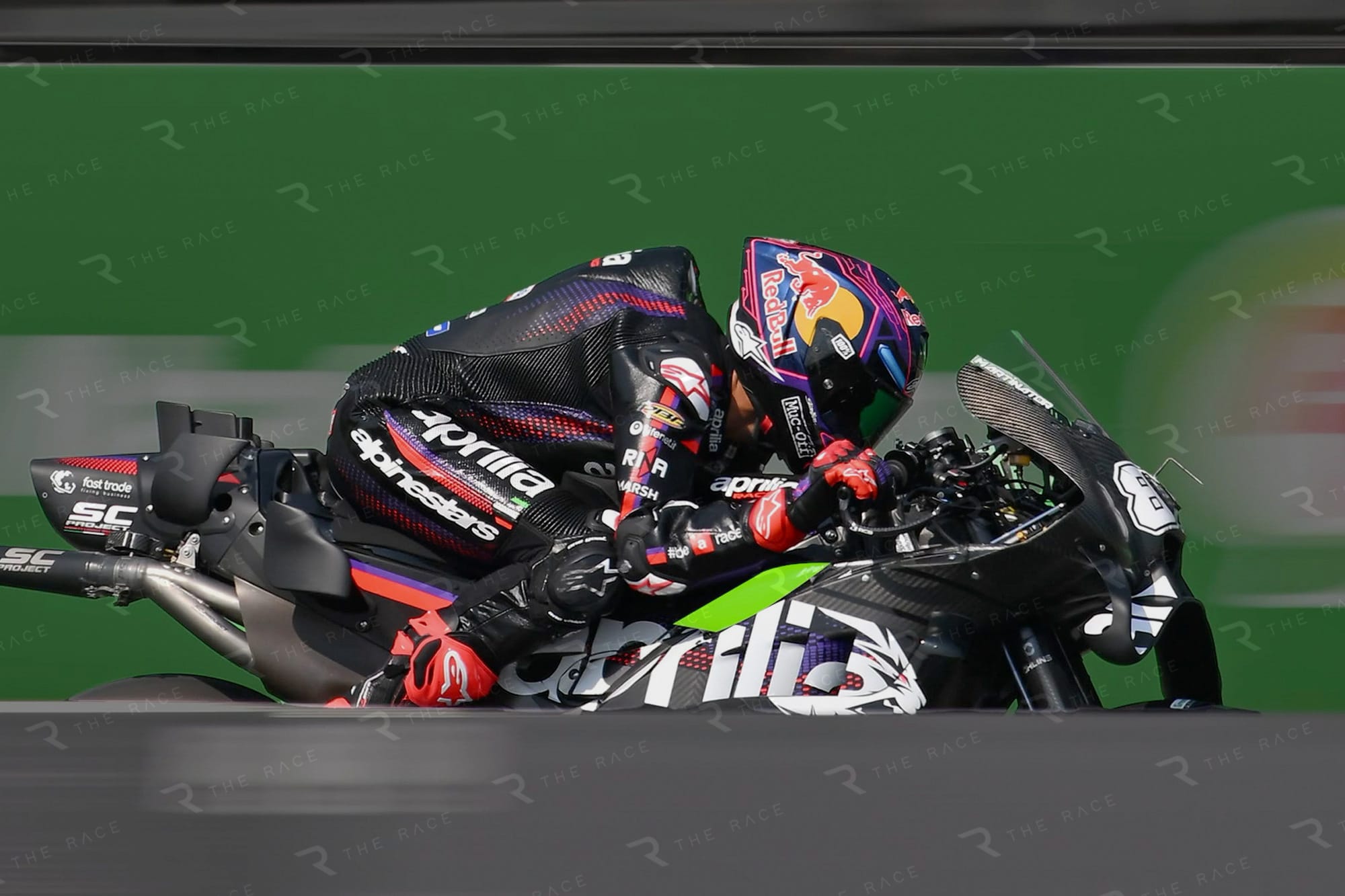
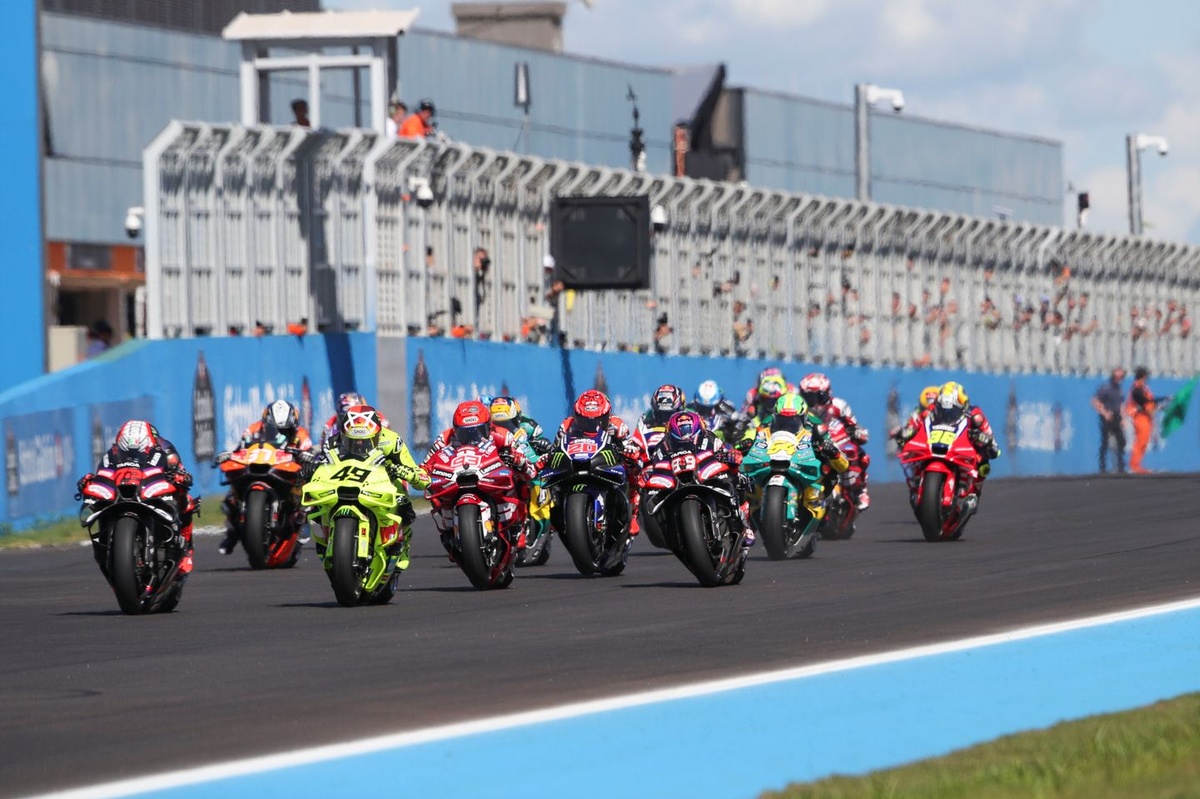

MotoGP’s appeal has always gone beyond speed, built on drama, personalities, and global reach. Yet the sport now faces a structural imbalance. A large portion of its riders come from just two countries, Spain and Italy, raising questions about how truly global the championship has become.
Across MotoGP, Moto2, and Moto3, nearly 60 percent of riders are Spanish or Italian. In the premier class alone, that figure climbs to over two thirds. While this reflects the deep racing culture in both nations, it also limits the sport’s ability to connect with a broader international audience.
Championship CEO Carmelo Ezpeleta has long maintained that MotoGP should feature the best riders regardless of nationality. However, his stance has evolved. He recently acknowledged that a grid dominated by one or two countries is no longer sustainable, signaling a shift in thinking even before Liberty Media’s arrival.
This change is not simply symbolic. A more diverse lineup is seen as key to expanding MotoGP’s commercial reach. Riders from new regions can unlock fresh fan bases and increase engagement in markets where the sport is still growing. The potential impact is clear. Brazilian fans rally behind Diogo Moreira, while Japan’s Ai Ogura brings strong interest from Asia.
At the same time, this approach creates pressure within the paddock. Established riders from traditional strongholds may face tougher competition for limited seats. Even proven race winners and former champions could find their positions less secure as teams weigh market value alongside performance.

Source: The Race
For riders from underrepresented countries, the shift presents new opportunities. Nationality is becoming an added advantage, particularly when combined with strong results. This has already influenced career paths, especially among younger talents navigating their way to MotoGP.
Several riders with dual heritage have made deliberate choices about which flag to represent. Franco Morbidelli, despite his Brazilian roots, has remained committed to racing under the Italian flag. In contrast, David Alonso chose to represent Colombia, a decision that has helped him build a strong identity and fan base beyond Europe.
Others have taken similar paths. Riders born in Spain but eligible for Argentina have opted to compete under the Argentine flag, seeing it as a way to stand out in a less crowded field. In some cases, this has strengthened their connection with fans, even if the commercial benefits are not always immediate.
The strategy, however, carries risks. MotoGP relies heavily on star power to attract global attention. Since Valentino Rossi’s retirement, only a few riders have reached that level of mainstream recognition. Expanding diversity must not come at the cost of overall talent and competitiveness.
MotoGP now finds itself at a crossroads. The push for a more international grid could open new markets and redefine the sport’s identity. At the same time, it requires careful balance to ensure that performance remains the top priority.
The coming seasons will show whether this shift creates a stronger global championship or introduces new challenges. What is clear is that MotoGP is no longer just racing for victories. It is racing for relevance on a worldwide stage.