
The Fuel Fiasco: Why NASCAR Stepped In
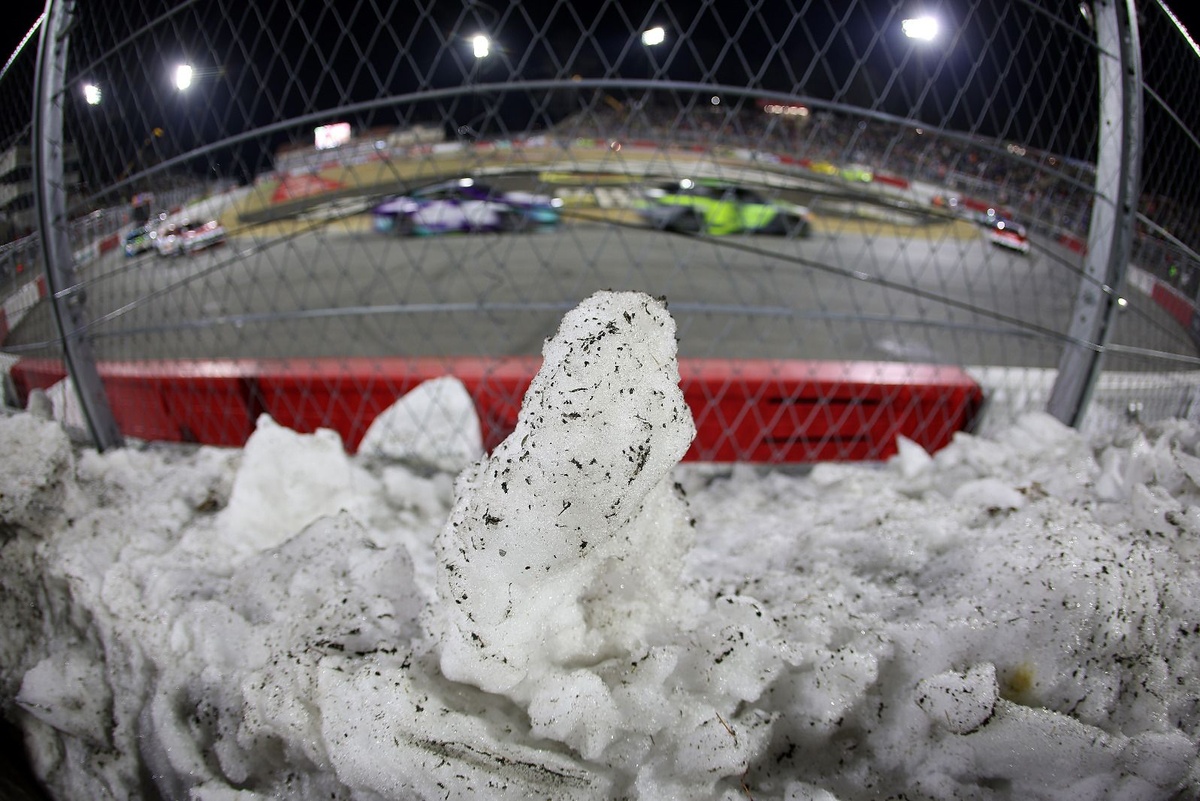
Wednesday's Cookout Clash was anything but straightforward. A sleet-affected track and relentless cautions turned the exhibition race into a strategic nightmare. Amidst the chaos, NASCAR made the unprecedented call to allow teams to refuel without penalty on Lap 165, a decision that immediately drew the ire of crew chiefs who had either topped off early or sacrificed track position.
Brad Moran, NASCAR Cup Series managing director, peeled back the curtain on the multi-layered rationale. He cited the novel high-horsepower engine package, stating, "It’s the first time we’ve run that engine in an actual race... So was our data totally accurate that we went into the race with? We believe it is. We’re still going to go through all of that."
Beyond the new engine, Moran highlighted logistical challenges. Bowman Gray lacks the full pit road fire protection typically found at bigger tracks, making unscheduled fueling stops risky. With multiple cars, including fan favorites like Kyle Larson and Chase Elliott, running out of fuel or reporting issues, NASCAR feared the race would devolve into an embarrassing parade of sputtering machines.
"We didn't want that to be the entire story of how the race ended," Moran explained, emphasizing the goal of preserving the on-track product despite the relentless cautions that "were not our friends" on Wednesday night.
A Closer Look at the Rules: The Start Line Standoff
The fueling drama wasn't the only contentious moment. Earlier in the evening, the Last Chance Race saw Michael McDowell penalized for jumping the initial start against pole sitter Josh Berry, sending him to the rear and ultimately out of contention for the main event.
McDowell argued he was aggressive but that Berry had also fired off early. However, Elton Sawyer, senior Vice President of Competition, stood firm on the call. "This one was pretty straightforward because (McDowell) launched… and he’s not even the control car and he fired before we got in the zone," Sawyer explained, confirming McDowell's own admission of needing to be aggressive.
Beyond the Black Flag: A Complex Call
These incidents underscore the immense pressure on NASCAR officials, especially in unique settings like Bowman Gray. Managing a rain-affected, caution-heavy race with new engine data and limited infrastructure requires split-second judgment. While controversial, these decisions were ultimately made to ensure a competitive and watchable event, even if it meant bending procedural norms.
The Cookout Clash proved to be a challenging start to the season for officials and teams alike, setting a high bar for the drama yet to unfold.