
The whispers of doubt surrounding the 2026 F1 cars can finally be silenced! Ferrari Team Principal Fred Vasseur has delivered a resounding vote of confidence, declaring that the upcoming generation of machines has "positively surprised" the paddock after initial skepticism. This news from the heart of Formula 1 offers a thrilling glimpse into the future of the sport.
Key Points on the 2026 F1 Regulations:
- Initial fears suggested 2026 F1 cars would be significantly slower due to new regulations.
- Ferrari boss Fred Vasseur confirms pre-season testing exceeded expectations, with lap times better than anticipated.
- New rules feature active aerodynamics and a 50:50 power split between electrical and internal combustion energy.
- Ferrari is already pushing boundaries with innovative aero solutions like a "flipping" rear wing and the FTM fin.
The Future is Fast: Doubts Dispelled by Early Testing
The 2026 Formula 1 season promises one of the most radical technical overhauls in modern history. With active aerodynamics and a revolutionary 50:50 power split between the internal combustion engine and electrical energy, many initially braced for a potential dip in performance. Memories of the 2014 engine regulation reset, which saw lap times noticeably slow, fueled concerns that drivers might struggle with energy management on long straights.
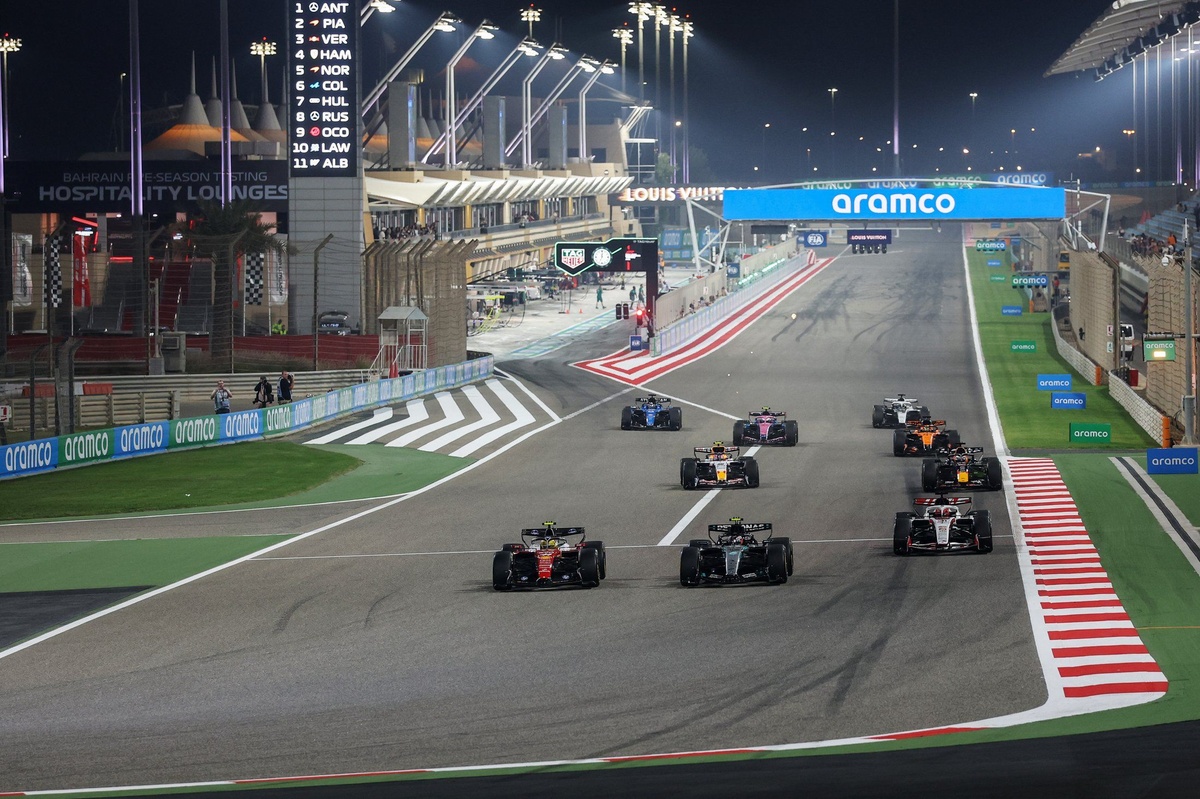
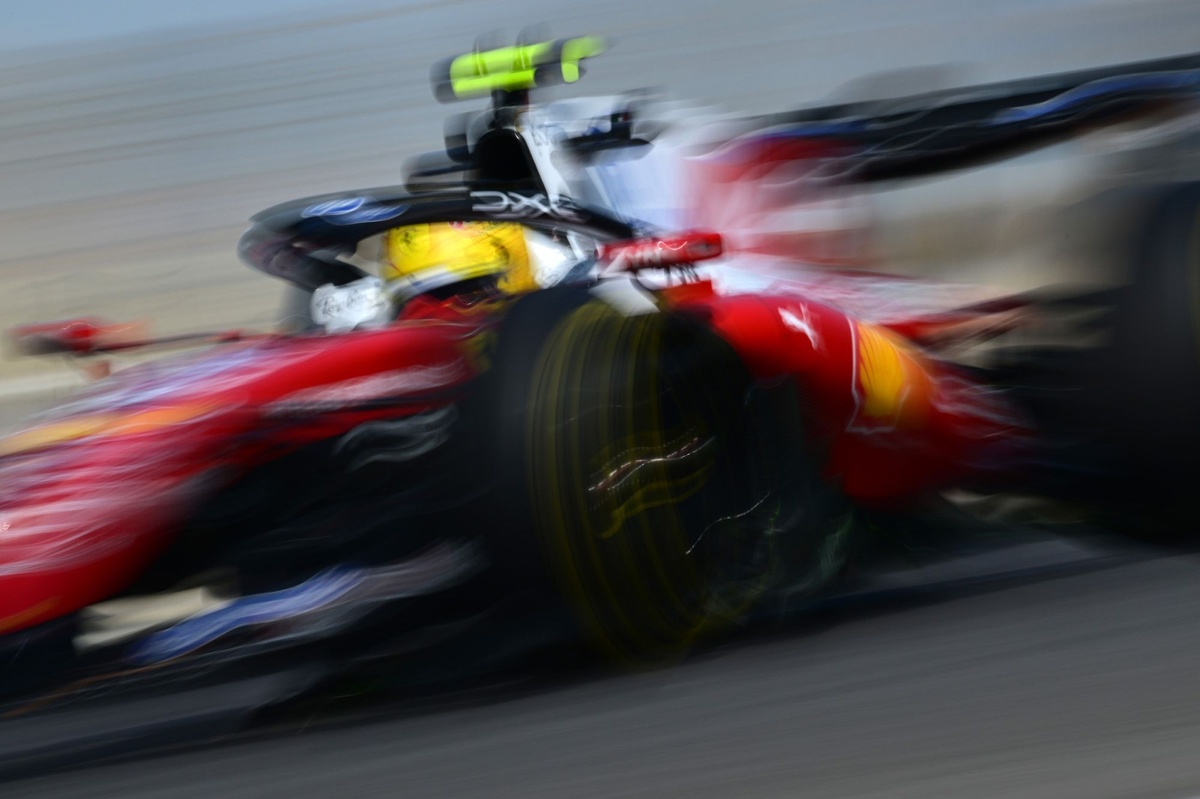
However, the early indicators from testing have painted a far more optimistic picture. Charles Leclerc's impressive 1m31.992s lap at the Bahrain test, merely 2.5 seconds off last year's pole, suggests the pace will remain blistering. Vasseur confidently stated that the "overall scenario is much better than feared," dismissing predictions of cars resembling F2 machinery. For Vasseur, the absolute lap time is secondary to the intensity of competition – a sentiment sure to resonate with fans.
Ferrari's Masterclass: Pushing the Aero Boundaries
True to their innovative spirit, Ferrari isn't just reacting to the new regulations; they're defining them. The team has already showcased groundbreaking aerodynamic solutions on their SF-26. Observers in Bahrain were captivated by a unique rear wing design that could flip 180 degrees, drastically reducing drag while maintaining crucial stability.
Beyond the visible, Ferrari also unveiled their "FTM" – a cleverly positioned fin in front of the exhaust pipe. This ingenious design exploits exhaust gases to aid in energy recovery, a critical aspect of the 2026 power unit architecture. Vasseur proudly highlighted his engineers' drive to "push boundaries," ensuring every innovation remains in strict compliance with FIA regulations through continuous dialogue. This aggressive yet legal approach underscores Ferrari's determination to lead the charge into the new era.