
The Shifting Sands of F1 2026 Rules
The FIA's recent tweak to the 2026 Formula 1 starting procedure has ignited a firestorm of surprise, particularly from Ferrari Team Principal Fred Vasseur. He's left scratching his head, asserting that the issue of turbo lag, central to the change, was a known quantity from the very beginning of the new regulation discussions.
Key Points:
- The 2026 F1 rules remove the MGU-H, reintroducing significant turbo lag.
- The FIA has added five seconds to the pre-start sequence to mitigate this issue, citing safety.
- Ferrari designed its new power unit architecture assuming no change to the starting procedure.
- Fred Vasseur expressed surprise, stating the turbo lag factor was 'known from day one' during rule formation.
The engine landscape for F1 2026 is undergoing a seismic shift. A major technical regulation change sees the removal of the MGU-H, the motor generator unit that previously kept the turbocharger spooled up. Its absence brings back a familiar foe: turbo lag.
This means the internal combustion engine won't instantly have the full torque required for a swift getaway from the grid. It's a fundamental challenge that engine manufacturers have been grappling with since the rules were first mooted.
Turbo Lag: The Unintended Consequence
Without the MGU-H to eliminate turbo lag, the time taken for the turbine to reach full speed becomes a crucial factor. This directly impacts a car's ability to launch off the line efficiently and safely. Teams anticipated this, with some, like Ferrari, making strategic design choices.
Ferrari's Strategic Gamble
It's understood that Ferrari opted for a smaller turbocharger in their 2026 power unit design. This decision was a direct response to reducing the turbine's inertia, thereby minimizing turbo lag and ensuring clean starts. This strategic choice was made under the assumption that the FIA would not intervene with the established starting procedure.
Vasseur's Outspoken Reaction
Speaking exclusively, Ferrari's Fred Vasseur didn't mince words about his bewilderment over the FIA's recent adjustment. "Without the MGU-H, it was clear that turbo lag would become a factor to manage, from drivability to race starts," Vasseur stated. "This has been known from day one."
He emphasized that engine design involves complex trade-offs, not just raw power. "When evaluating choices in defining the guidelines for a power unit, it’s not just about pure power, other aspects matter as well, and one of these is the start," he added. Vasseur found it perplexing that the topic resurfaced so late, after teams had already committed to design directions based on earlier FIA clarity.
Safety First, or a Performance Play?
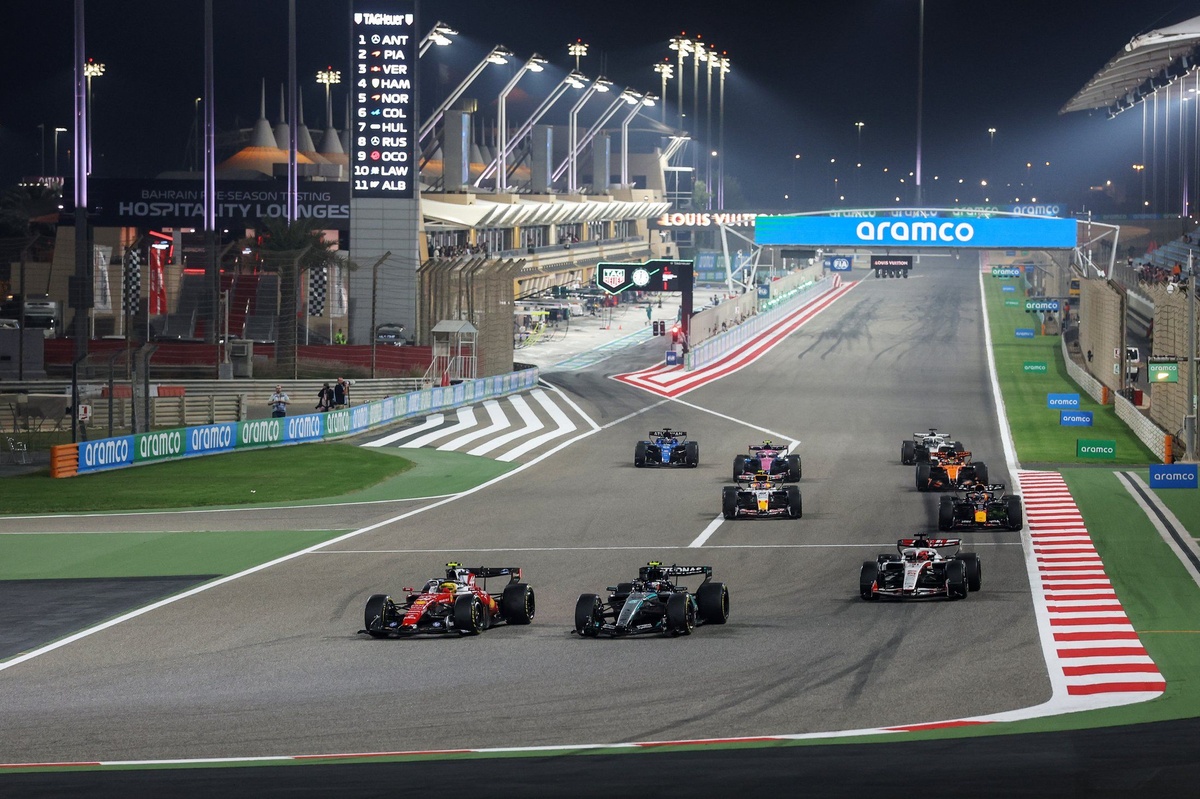
The FIA's solution to the perceived safety risk has been to add an extra five seconds between the final car taking its grid position and the ignition of the start lights. This allows all cars more time to spool up their turbos. This procedure was successfully trialed during Bahrain testing.
While other team principals highlighted genuine safety concerns, the potential for collisions if drivers couldn't react to slower-starting cars, Vasseur hinted at a deeper, performance-related angle. "I can say that it’s easy to ask a driver to raise a safety concern or similar, but in reality, it had been known for a long time," he mused, underscoring the tension between safety measures and the strategic planning teams had already invested in. With the FIA’s last-minute adjustment, Ferrari and other teams are now having to reassess their starting strategies, highlighting how even small procedural changes can ripple through technical and performance planning in F1 2026.