![Antonsen opposes proposed 15-point scoring, says it favours physically weaker players [WATCH]](https://assets.nst.com.my/images/socialmedia/395D1616FE69562EC14C0F7F039C22F5_data_1.jpg)

KUALA LUMPUR: Men's singles world No. 3 Anders Antonsen of Denmark is sceptical about the introduction of the 15-point scoring system by the Badminton World Federation (BWF).
The shorter best-of-three 15-point scoring system would replace the current 21-point scoring if voted in by BWF affiliates at its annual general meeting (AGM) on April 25 in Horsens, Denmark, during the Thomas and Uber Cup Finals (Apr 24-May 3).
The shorter version is said to be faster, designed to reduce match duration, safeguard the shuttlers' physical wellbeing, and reduce injury risks.
The 25-second ruling between rallies is being experimented with to reduce time-wasting by shuttlers and will be tested at the Indonesia Masters from Jan 20-25.
"I don't really like the 15-point scoring system because it favours the physically less superior players, as it is shorter," said Antonsen.
"I'm one of the best in the world, and if you are at that level, maybe you just want things to remain the same.
"It definitely favours the underdogs. There will be more equal matches and more surprises."
Indonesian shuttler Jonatan Christie said that he had tried out another experimental best-of-five 11-point scoring system, which was trialled for four months (Aug 1-Nov 1) in 2014.
World No. 4 Jonatan said that it was too early to say if it would be beneficial for him as he wished to try out the new scoring system first.
"It's a new system and it is very hard to say for now if it is an advantage but it will be interesting on how it pans out," said Jonatan.
"I have another shorter system of 11-points scoring but it was over five games. Both are entirely different. Have to start playing in tournaments first to see if it is beneficial to us."
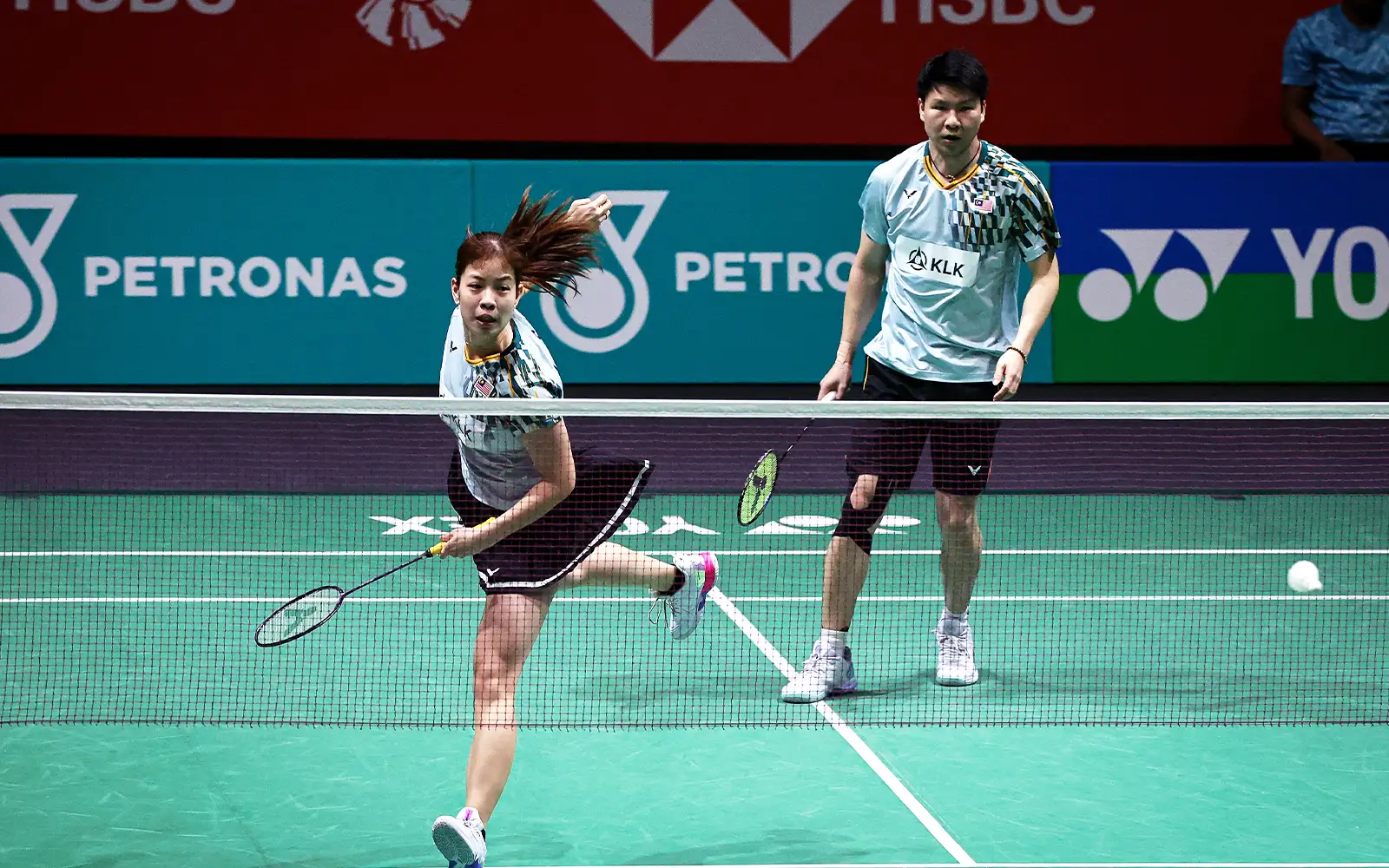
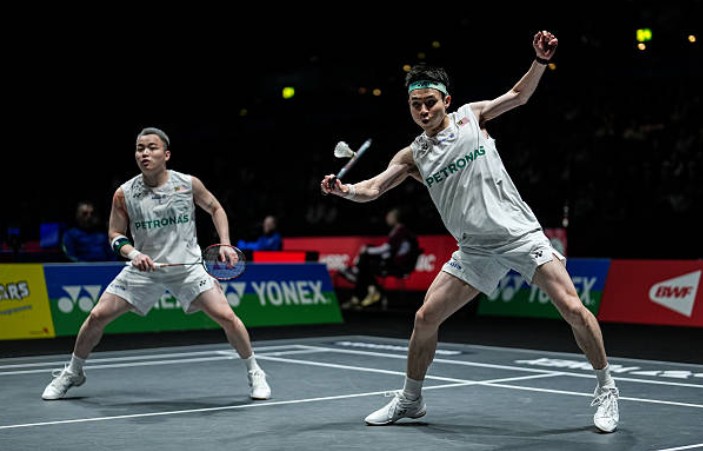
However, Malaysia's men's doubles player Tan Wee Kiong feels that the 15-point scoring system might provide some hope for veterans like him and his current partner Nur Mohd Azriyn Ayub.
The 37-year-old Wee Kiong, who won the 2016 Olympics silver medal with Goh V Shem, said the shorter version would be physically less taxing for him and the 34-year-old Azriyn.
"I believe the 15-point could give us some advantage and could also possibly help us to prolong our career," said Wee Kiong.
"Physically, I believe it will be less taxing and we can also compete with the much younger pairs.
"However, there is also a catch where the game will become faster and more intense and this is something we would like to find out when the new scoring is approved."
Azriyn-Wee Kiong may have a point about their chances as they led 11-5 in the first game — a lead that could easily put a player or pair in a winning position — but eventually ended up losing 21-15, 21-16 in the second-round clash against South Korean world No. 1 Kim Won Ho-Seo Seung Jae.
BWF is also expected to decide during the AGM whether the scoring system will start later this year or be introduced with a fresh start in 2027.
Meanwhile, Antonsen also raised a red flag over the experiment of the 25-second interval between rallies, saying the shortened break may not be enough for recovery in close physical battles.
Antonsen cited his 21-15, 21-16 win in a 59-minute second-round match against Canadian world No. 22 Victor Lai on Thursday, saying it could have made matters worse for him if the 25-second ruling had been implemented at the ongoing Malaysia Open.
"When you look at a match like Victor's and mine today, you can see how physical it is. Sometimes, 25 second is simply not enough," explained Antonsen.
"But I feel that playing such a physical game like we just did is not possible with such a short break between rallies.
"I think you will see players dropping to their knees just to get breaks, trying all sorts of things. It will make it even more difficult for the umpires to control the whole situation.
"That said, we'll have to wait and see and give it a chance. There are many things where I feel it could go wrong, but there are also times when I personally wish we had the 25-shot clock."
The main reason for BWF trying out the ruling is to stop players from time-wasting to recover between rallies and also to break the rhythm of a player or pair who are in the lead.