
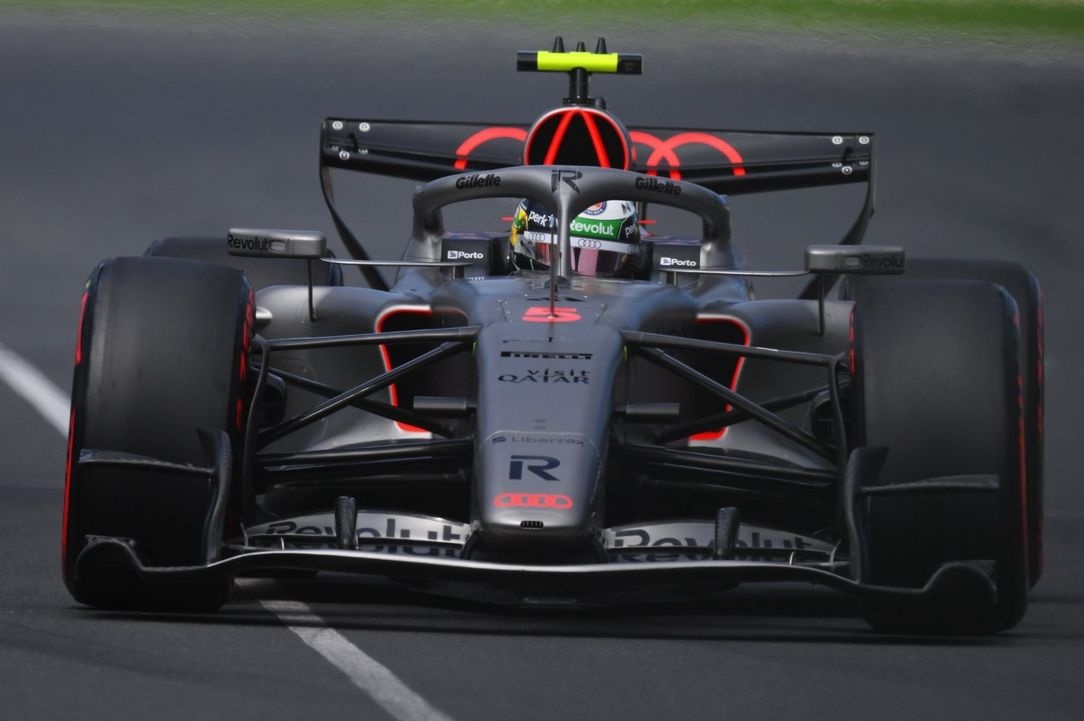

In a move that caught the entire motorsport world off guard, Audi didn't just arrive in Formula 1; they absolutely exploded onto the scene in Australia, shattering every skeptical expectation with a debut that was nothing short of sensational.
Key Takeaways from Audi's F1 Launch
- Gabriel Bortoleto secured a remarkable 9th place finish in Australia, marking a strong points-scoring debut for Audi.
- The team overcame significant internal turbulence, including C-suite changes and a complex Sauber buyout.
- New leadership under Mattia Binotto and Jonathan Wheatley proved instrumental in overhauling operations and driving technical development.
- Despite a slight power deficit in its AFR 26 unit, the R26 chassis demonstrated exceptional cornering speed and consistency.
A Debut for the Ages: Audi's Unforeseen Triumph in Melbourne
The motorsport world watched in disbelief as Audi, a brand synonymous with engineering excellence but a newcomer to F1, immediately challenged the midfield elite at the Australian Grand Prix. Many anticipated a slow burn for the German manufacturer, perhaps a year or two of finding their footing before truly competing in 2026. Instead, Gabriel Bortoleto delivered an emphatic statement, driving the Audi R26 to a stunning 9th place and securing crucial points on debut.
This success was even more impressive given the pre-race whispers of a power deficit in their proprietary AFR 26 power unit. While teammate Nico Hulkenberg was unfortunately sidelined by a telemetry issue, preventing a potential double points finish, Bortoleto's performance signaled that Audi is far more than just a name on the grid.
Navigating the Tempest: Audi's Rocky Road to the Grid
The journey to this electrifying debut was anything but smooth. Audi's path to F1 was riddled with boardroom drama, including a protracted Sauber buyout that saw a delayed ownership transfer and significant executive shake-ups. The departures of Andreas Seidl and Oliver Hoffmann from key positions underscored a period of internal conflict and uncertainty.
The tide began to turn with the strategic appointments of Mattia Binotto as the new management head and Jonathan Wheatley as Team Principal. Binotto, leveraging his extensive experience from Ferrari, championed early investment into the Sauber infrastructure, ensuring the team had modern tools and development capabilities. Wheatley, fresh from his successful tenure at Red Bull, swiftly addressed long-standing operational issues, notably transforming notoriously slow pit stops into competitive, efficient services. These leadership changes provided the stability and vision needed to accelerate their Formula 1 project.
Building Blocks: From Hinwil to Neuburg
The integration of the Hinwil chassis team and the Neuburg powertrain facility was a monumental task. Binotto fostered unity, creating dedicated communication channels to bridge the geographical divide. Under technical director James Key, the chassis development gained momentum, culminating in the R26 logging its first laps in Barcelona by January 9th, a testament to the accelerated development timeline.
Meanwhile, Audi's AFR 26 power unit, designed by a blend of long-serving Audi Sport engineers and new F1 hires, continued its rigorous development. While early indications suggest a slight power gap to established giants like Mercedes and Ferrari, the FIA's "Additional Development and Upgrade Opportunities" (ADUO) system offers a crucial pathway for Audi to achieve performance parity.
Chassis Prowess and Future Outlook
The R26 chassis proved its mettle on the twists and turns of Albert Park. Data analysis reveals Audi's exceptional cornering speeds, with Bortoleto's car even matching the Red Bull RB22 through apexes. This superior chassis performance allowed the team to maintain a consistent, marginally faster pace than other midfield contenders like Haas and Racing Bulls, making up for any straight-line speed deficit.
Gabriel Bortoleto himself expressed his astonishment: "If someone told me we were going to score points in our first ever race and be in Q3, man, I wouldn't know if they were drunk or what!" His words perfectly capture the collective surprise and pride within the team.
The Road Ahead: Challenges and Potential
While Audi's debut was spectacular, the road ahead is long. Historically, manufacturers like Jaguar and Toyota entered F1 with great fanfare only to falter due to internal meddling and inconsistent management. Audi's current leadership, spearheaded by Binotto and Wheatley, must be empowered to continue their strategic direction without undue interference.
The potential is undeniable. With further powertrain development and the inherent strength of their chassis, Audi is poised to become a formidable force. Their electrifying start in Australia is not just a triumph, but a powerful declaration of intent. The future of F1 just got a lot more exciting.


