
The future of Formula 1 has officially hit the asphalt, and early reports from the Barcelona shakedown suggest a thrilling, if complex, new era is dawning for the F1 2026 cars. Day one offered the first real glimpse into the radical new machinery, and while lap times remain under wraps, driver feedback is already painting a vivid picture of what's to come.
First Impressions: The New Breed of F1 Machines
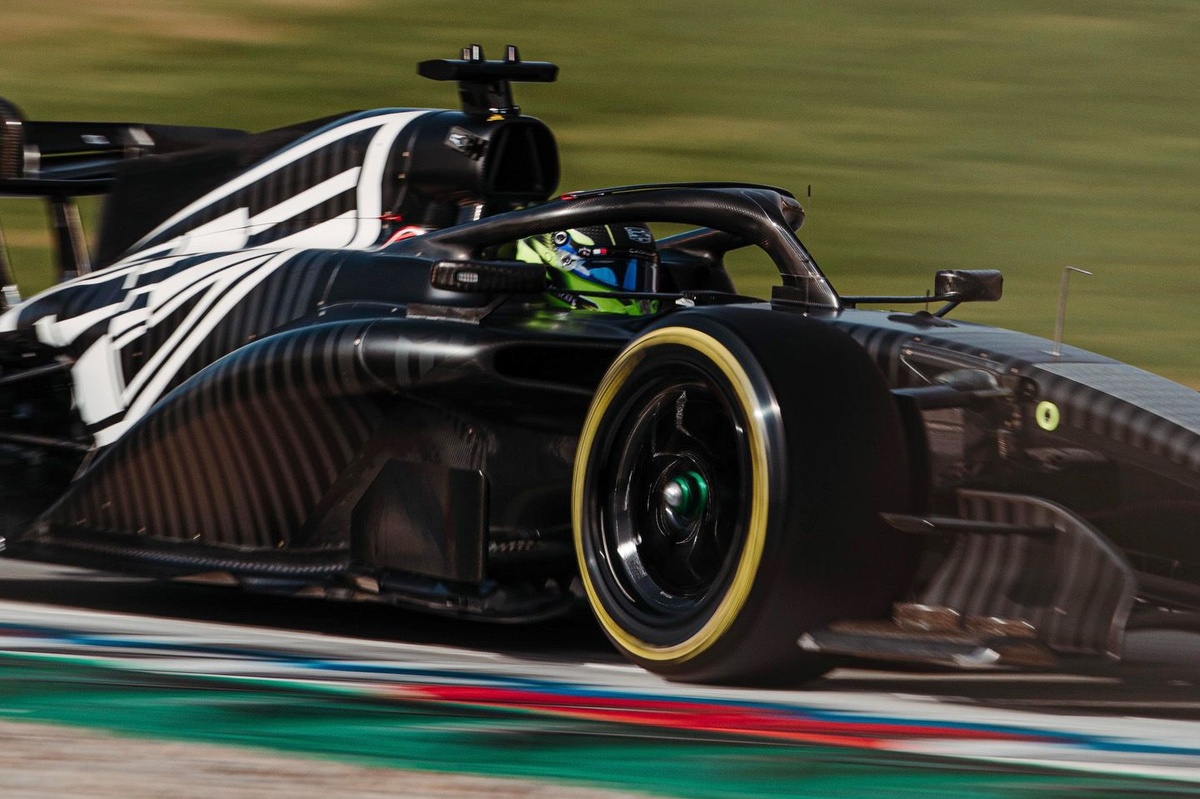
Seven of the eleven teams unleashed their 2026 F1 cars at Circuit de Barcelona-Catalunya for a crucial five-day shakedown. This behind-closed-doors session marked the true beginning for these revolutionary machines, which feature a radical aerodynamic overhaul and a much greater reliance on electric power. While official times weren't released, Red Bull junior Isack Hadjar unofficially topped the charts, followed closely by Mercedes' George Russell.
Mercedes' Early Dominance: A Glimmer of Hope?
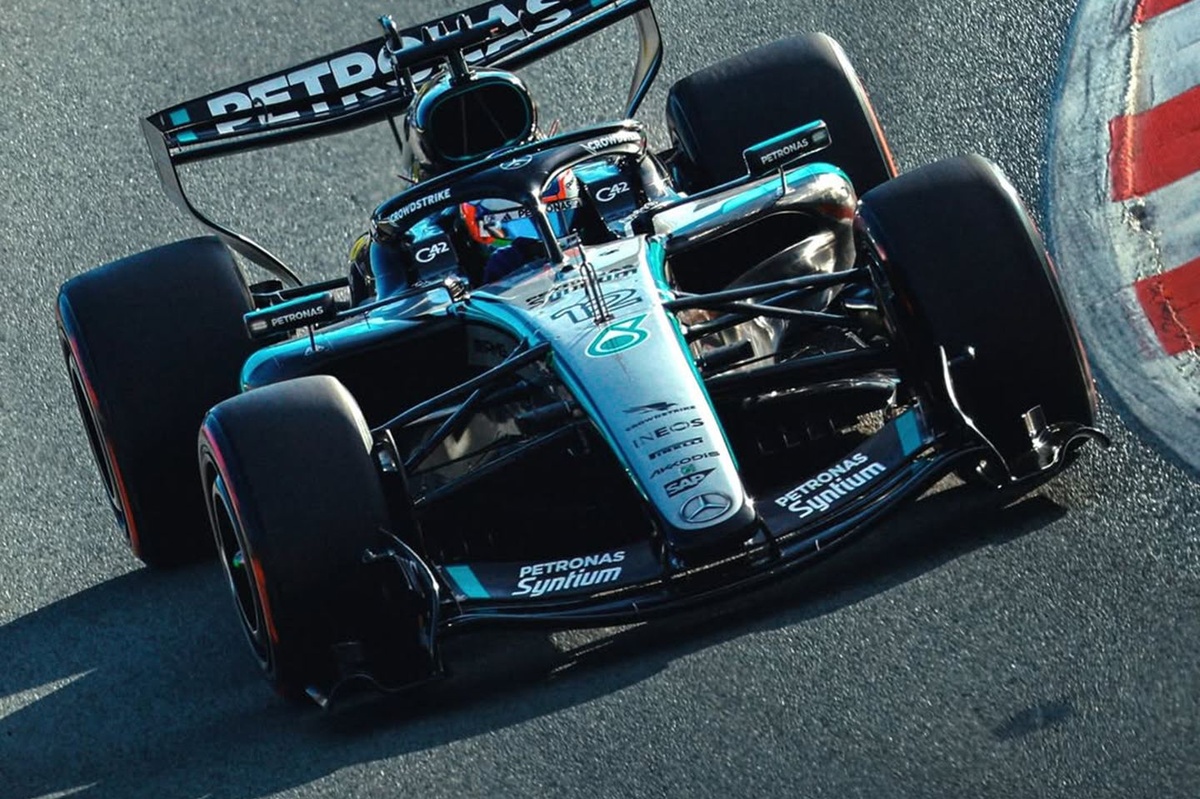
Perhaps the most talked-about performance came from Mercedes. Rookie sensation Andrea Kimi Antonelli spent a full day in the W17, declaring the car "very nice to drive." He highlighted the new power unit as a "big question mark" before the test, but now feels it's "good so far" and "all doable" despite requiring more management. This early positive feedback for the Mercedes W17 could signal a strong start for the German giant in the new era.
Teammate George Russell, who took over the W17 in the afternoon, echoed Antonelli's sentiments. He found the cars "quite intuitive" once drivers adapted, describing them as "enjoyable" and promising for fans. This bodes well for a team eager to reclaim its championship-winning form.
Navigating the Hybrid Future: Driver Perspectives
The shift to a 50% electric power unit has fundamentally changed the driving experience. Esteban Ocon of Haas, despite running into early technical glitches, completed the most laps – over two Grand Prix distances – a testament to the team's perseverance. He found the cockpit workload "very complicated," particularly with the new Ferrari power unit, but hopes it's a shared challenge across the grid.
Gabriel Bortoleto, making his debut in Audi's first-ever F1 car, described it as "very different but not another world." The young Brazilian emphasized the potent electric deployment out of corners, noting the need to "adapt your way of driving the car." Similarly, Alpine's Franco Colapinto acknowledged the "very different" feel but ultimately stressed that it's "still a race car." Drivers will need to master new energy management and adapt to smaller, thinner tires.
Liam Lawson, behind the wheel of the Racing Bulls machine featuring Red Bull's new in-house power unit developed with Ford, admitted he hasn't "got my head around it fully yet." He views the new regulations as potentially offering more scope for drivers to make a difference, while praising the new power unit's "very, very good" reliability so far.
Early Hurdles: Who's Behind the Curve?
Not every team enjoyed a smooth start. Williams was notably absent from the entire Barcelona shakedown week, a significant blow to their development timeline. Aston Martin also faced a scramble, planning to run for only two of the three allowed days due to logistical challenges. These early stumbles highlight the immense pressure and complexity involved in developing these revolutionary F1 2026 cars. Teams that missed out on crucial track time will be playing catch-up, a disadvantage that could echo throughout the early season.
What's Next for the F1 2026 Era?
The Barcelona shakedown continues, with McLaren and Ferrari expected to unveil their new machinery. The initial feedback indicates a steep learning curve but also a sense of excitement for the innovative F1 2026 cars. This radical shift promises to redefine racing, demanding new strategies from both engineers and drivers. Fans can look forward to a season where adaptability and mastery of hybrid power could be the ultimate determinants of success.