
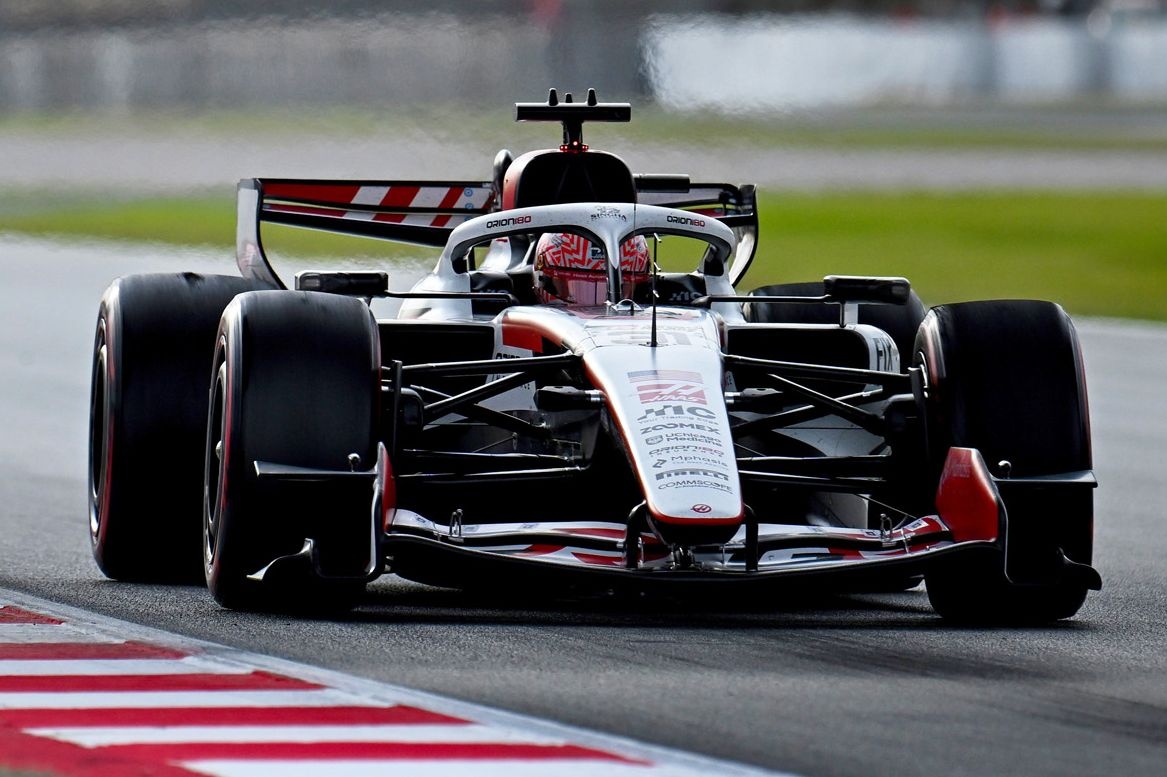

The future of Formula 1 driving is set to undergo a dramatic transformation, and not every driver is thrilled about it.
Key Points:
- Oliver Bearman of Haas finds 2026 energy management "annoying" and "sad."
- Esteban Ocon has quickly adapted to "lift-and-coast," even in qualifying.
- New power units emphasize a near-50:50 electric/combustion split, requiring early throttle lift.
- Despite energy concerns, cars boast incredible acceleration and top speeds, with Ocon hitting 355 km/h in simulations.
The New Era of F1 Power
Formula 1's 2026 engine regulations are poised to redefine how drivers attack a race track. The upcoming power units will feature a near-even split between traditional combustion and electric energy, fundamentally altering the strategic landscape. Gone are some familiar elements, replaced by new deployment modes like Overtake and Boost, demanding a completely new approach to driving.
Driver Reactions: Frustration vs. Adaptation
Bearman's "Sad" Reality
For aspiring talents like Haas driver Oliver Bearman, the initial taste of the new F1 2026 energy management has been a bitter one. He explicitly described the new demands as "annoying" and "sad." The young Brit points to the increased emphasis on "clipping" – the phenomenon where electric deployment runs out on longer straights – as a significant shift. This reliance on electrical power, he notes, is a stark contrast to what drivers are currently used to, forcing a less aggressive, more calculated driving style.
Ocon's Quick Acclimatization
While Bearman expresses reservations, Alpine's Esteban Ocon offers a more pragmatic perspective. The Frenchman has already adapted to the necessary "lift-and-coast" technique in simulator runs, even for qualifying laps. He surprisingly found the new method to feel "natural" after just one session. Ocon explains that staying flat out would actually be slower, akin to "putting the handbrake at the end of the straight." Lifting early allows for more efficient energy harvesting, paradoxically making the car faster overall.
Unpacking "Lift-and-Coast" in Qualifying
The concept of "lift-and-coast" isn't entirely new in Formula 1; it's often employed in races to save fuel or manage tyre degradation. However, its mandatory application in qualifying is a game-changer. This means drivers won't simply be pushing flat-out from apex to braking zone. Instead, they'll have to strategically lift off the throttle or even downshift before the traditional braking point to harvest crucial electrical energy. This adds a complex layer of strategy and skill, potentially changing the dynamic of hot laps.
The Thrill of Untamed Speed
Despite the energy management challenges, the new 2026 power units are far from slow. Esteban Ocon was genuinely stunned by the sheer acceleration and top-end speed in his simulator tests. He vividly recalled hitting an astonishing 355 km/h into Turn 1 at Barcelona during a run with full electric deployment. The combination of instant electric power on exit and reduced aerodynamic drag allows for an "insane" climb in speed, a sensation Ocon describes as unlike anything he's ever experienced in a Formula 1 car.
The 2026 season promises a fascinating blend of high-speed thrills and meticulous strategic management. Drivers will need to master a new set of skills, balancing raw pace with intelligent energy deployment. It's a future that will challenge perceptions and undoubtedly ignite new debates among the F1 faithful.


