
The smell of burning rubber and high-octane drama is almost here, and NASCAR isn't waiting for the green flag to make headlines! A flurry of preseason rule changes has dropped, setting the stage for an intense Daytona 500 and proving that innovation, for better or worse, always pushes boundaries.
Key Points:
The End of Aero Shenanigans: NASCAR's New Stance
NASCAR has officially declared war on creative aerodynamics, specifically targeting drivers who've been subtly manipulating airflow during qualifying. An update to Section 8.3.2, now addendum K, explicitly forbids using hands against the window net or blocking air from the cockpit. This aggressive move ensures that pure machine speed, not driver trickery, defines the qualifying pace. Any non-compliance will instantly result in a loss of qualifying time.
The Logano Legacy: A Rule Born from Controversy
This new directive feels particularly poignant ahead of "The Great American Race," as the practice of deflecting air was most prevalent on high-speed superspeedways like Daytona, Talladega, and Atlanta. The rule addition directly addresses the infamous 2024 Atlanta incident where Team Penske driver Joey Logano was caught using a webbed glove to gain an unfair advantage. Logano faced a hefty $100,000 fine for illegal safety equipment modification, and now, NASCAR has sealed this loophole completely. This ensures a level playing field where mechanical prowess and driving skill are paramount.
Daytona 500 Grid Takes Shape: Simplified Qualification
Beyond the aero crackdown, NASCAR has also refined the Daytona 500 qualifying procedures, specifically for non-chartered entries. Under the new system, the two fastest non-chartered drivers in time trials will immediately lock into the race. Crucially, these two drivers will no longer be eligible to race their way in through the qualifying races, a change that significantly simplifies the viewing and competitive landscape. This streamlined approach makes it clearer for fans and competitors alike who has earned their spot based on speed alone.
Jimmie Johnson's Golden Ticket: Why the Exemption Matters
One significant update concerns the "open exemption provisional," awarded this year to seven-time champion Jimmie Johnson. This special provision guarantees Johnson a spot in the Daytona 500, regardless of his qualifying or race performance. While it ensures a legendary name graces the grid, Johnson has forfeited prize money and points by accepting this waiver. This rule primarily serves promotional purposes, guaranteeing that highly marketable and beloved drivers are not at risk of missing NASCAR's biggest event.
Who's In, Who's Fighting: The Full Daytona 500 Roster
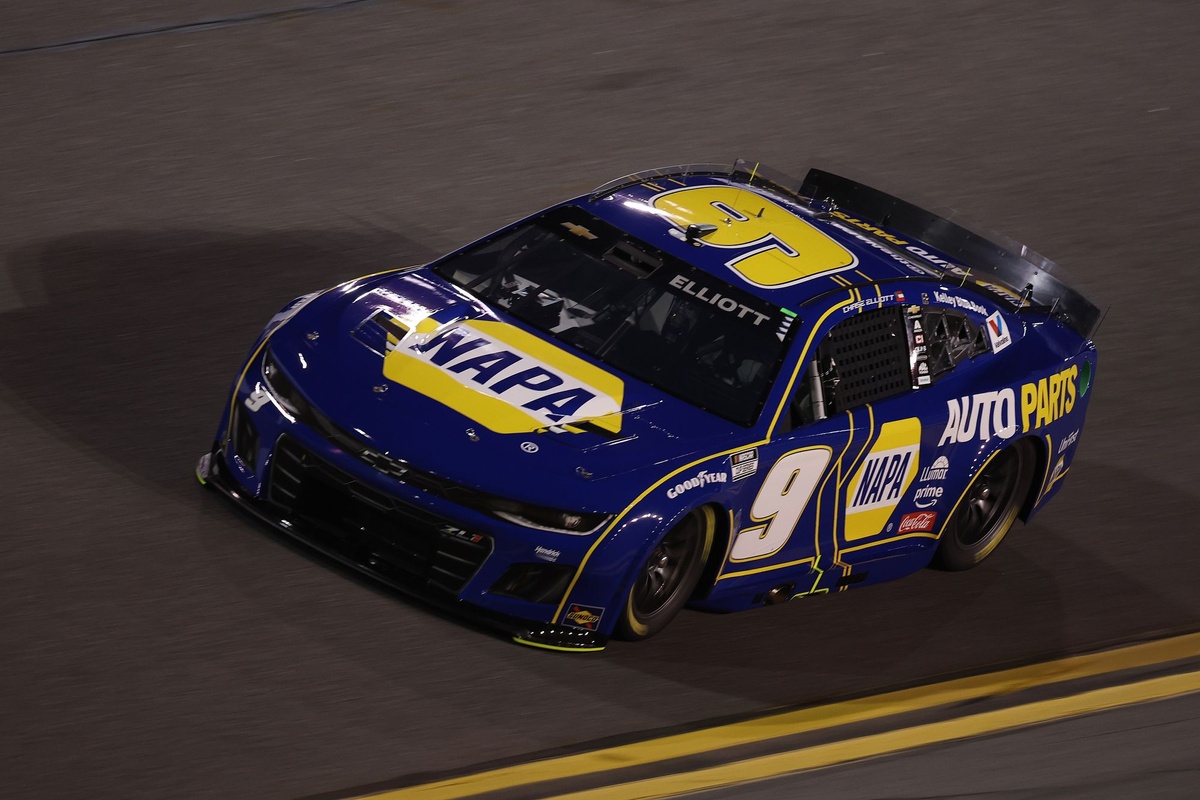
The final starting grid for the Daytona 500 will feature 41 cars, promising an action-packed race. The core of the field comprises 36 chartered entries, whose spots are secure. Additionally, the open exemption has secured Jimmie Johnson's return to the iconic race, adding star power.
Here's a look at the confirmed chartered drivers ready for action:AJ Allmendinger, Christopher Bell, Josh Berry, Ryan Blaney, Alex Bowman, Chase Briscoe, Chris Buescher, Kyle Busch, William Byron, Ross Chastain, Austin Cindric, Cole Custer, Austin Dillon, Ty Dillon, Chase Elliott, Ty Gibbs, Todd Gilliland, Noah Gragson, Denny Hamlin, Riley Herbst, Carson Hocevar, Erik Jones, Brad Keselowski, Kyle Larson, Joey Logano, Michael McDowell, John Hunter Nemechek, Ryan Preece, Tyler Reddick, Zane Smith, Ricky Stenhouse Jr., Daniel Suarez, Shane van Gisbergen, Bubba Wallace, Cody Ware, and Connor Zilisch.
The eight open drivers who will battle it out for the remaining spots through qualifying and the Duels are:
The race to the Daytona 500 is officially on, with new rules and sharpened competition guaranteeing a thrilling start to the NASCAR season!