
The Whispers Turn to Roars: F1's 2026 Engine Loophole Drama
The whispers have turned into roars: Formula 1's future is already under intense scrutiny, with a fierce battle brewing over the 2026 power unit regulations and a suspected engine loophole that could give one team a significant edge.
Key Points in the F1 Engine Loophole Saga
2026 Power Unit Rules: A Battleground Before Launch
Formula 1's upcoming **2026 power unit regulations** were designed to level the playing field, notably reducing the compression ratio from **18:1 to 16:1** to foster accessibility for new manufacturers. However, even before the first engine fires up, a storm is brewing over how teams might exploit these new parameters.
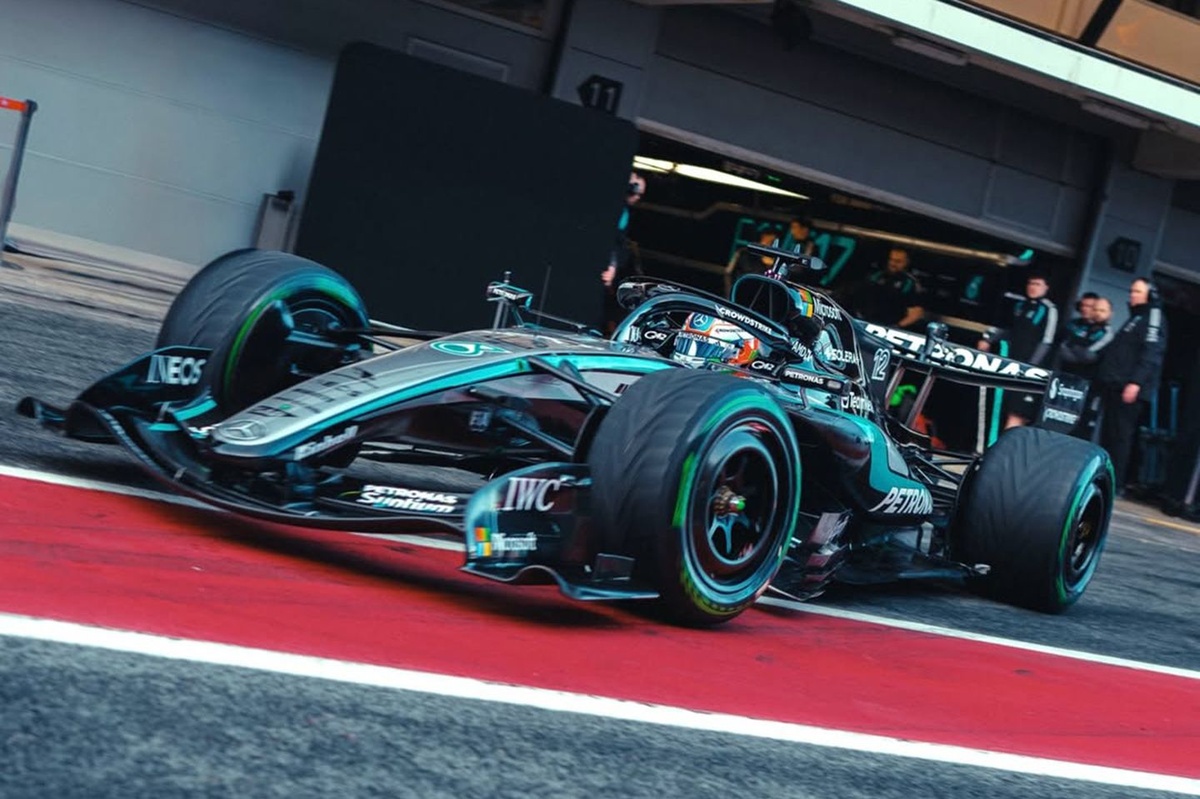
Rival constructors have raised serious concerns that **Mercedes** could be leveraging a technicality. The suspicion is that while the **Mercedes** power unit complies with the **16:1 compression ratio** during static, ambient temperature tests, it might achieve a higher, more performance-boosting ratio once the engine heats up during intense racing conditions.
Rivals Unite: Pressure Mounts on the FIA
This potential advantage hasn't gone unnoticed. **Audi**, **Ferrari**, and **Honda** jointly penned a letter to the **FIA**, demanding clarification and, crucially, a re-evaluation of the testing protocols. While an initial meeting of technical experts in January didn't yield immediate action from the federation, the issue remains red-hot.
Subsequent discussions, including a key Power Unit Advisory Committee (PUAC) meeting, have kept the compression ratio debate firmly on the agenda. Teams are now exploring innovative ways to compel a regulatory intervention, ideally before the new season.
Closing the Loophole: New Testing Methods Proposed
The core of the dispute lies in the current measurement methods. Standard static tests at ambient temperatures might not fully capture the engine's real-world performance. Competitors are advocating for more representative procedures:
These adjustments aim to provide a more accurate picture of compliance and expose any discrepancies that could offer an unfair advantage.