

F1 2026: Early Jitters Dispelled in Spain
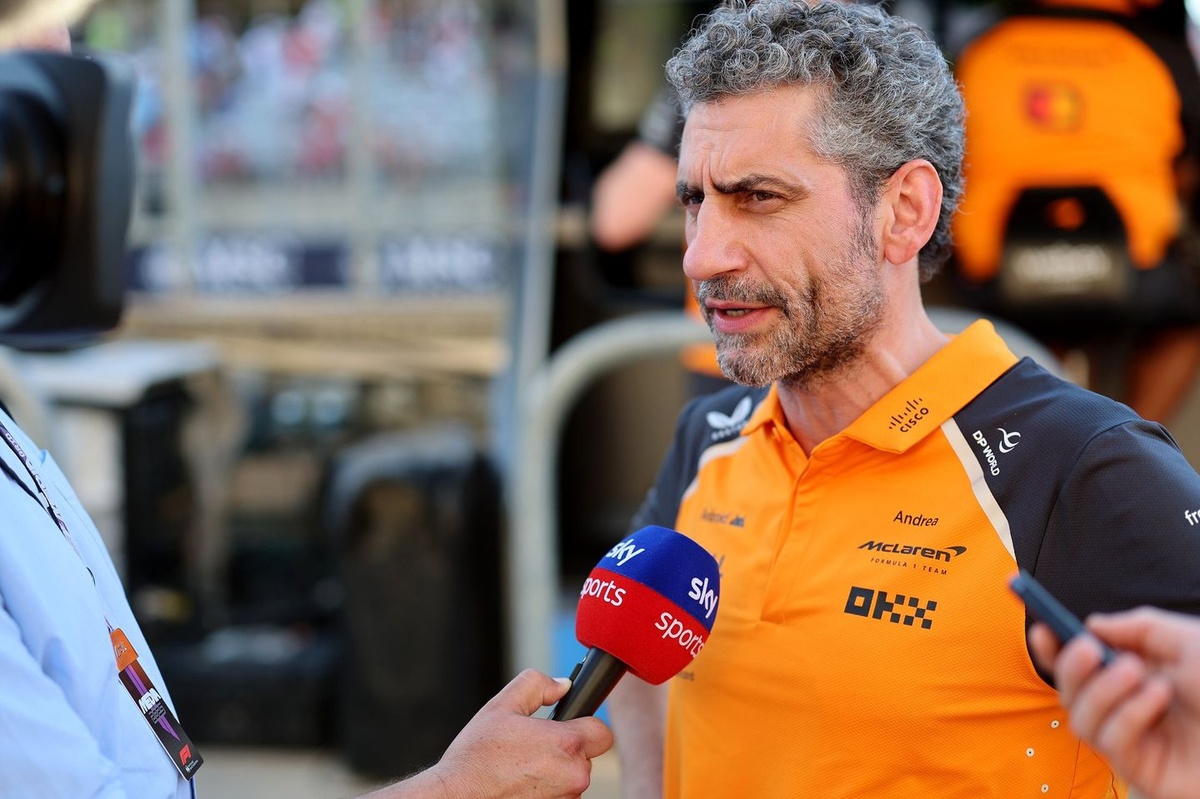
Andrea Stella revealed that many initial fears about the new 2026 F1 regulations quickly "vanished" during the crucial Barcelona shakedown week. Nearly all teams, with the exception of Williams, participated in the private testing sessions held from January 26–30. This early running aimed to put the next-generation machinery through its paces.
"In general, I think the teams have shown a high level of preparation for the debut of the new generation of cars," Stella commented in a McLaren interview. He explicitly referenced the rocky start of the hybrid power units 12 years ago, a scenario many feared might repeat itself. However, those concerns proved unfounded.
Power Units Show Promise
A significant relief came from the power unit front. According to Stella, even manufacturers introducing their engines to the track for the very first time managed to accumulate substantial mileage, suggesting a smoother and more stable development phase for the new engines than had been expected. This early reliability means teams can shift focus from fundamental component integrity to optimising other complex systems around the powertrain.
The Complexities of Next-Gen Machinery
While the power units performed admirably, the sheer intricacy of the overall 2026 car system did present its own challenges. Stella acknowledged that reliability issues that slowed track work for McLaren were primarily linked to this complex system architecture, rather than to underlying engine faults. He praised the team’s commitment in overcoming these early hurdles and nearly making up for lost time on track.
Competitive Picture Taking Shape
Beyond reliability, the Barcelona shakedown offered insight into how quickly teams are adapting — with several outfits, including Mercedes, Ferrari, and Red Bull, logging significant mileage and showing promising early performance signs. One early takeaway from the running is that mastering the new power units and active aerodynamics will be vital to extracting maximum performance, something McLaren itself highlighted in post‑test debriefs.
With private shakedown running complete, attention now turns to official pre‑season testing in Bahrain, where further data will reveal how these early gains translate across different circuits and conditions — and where the next evolution of the 2026 regulation era truly begins.


