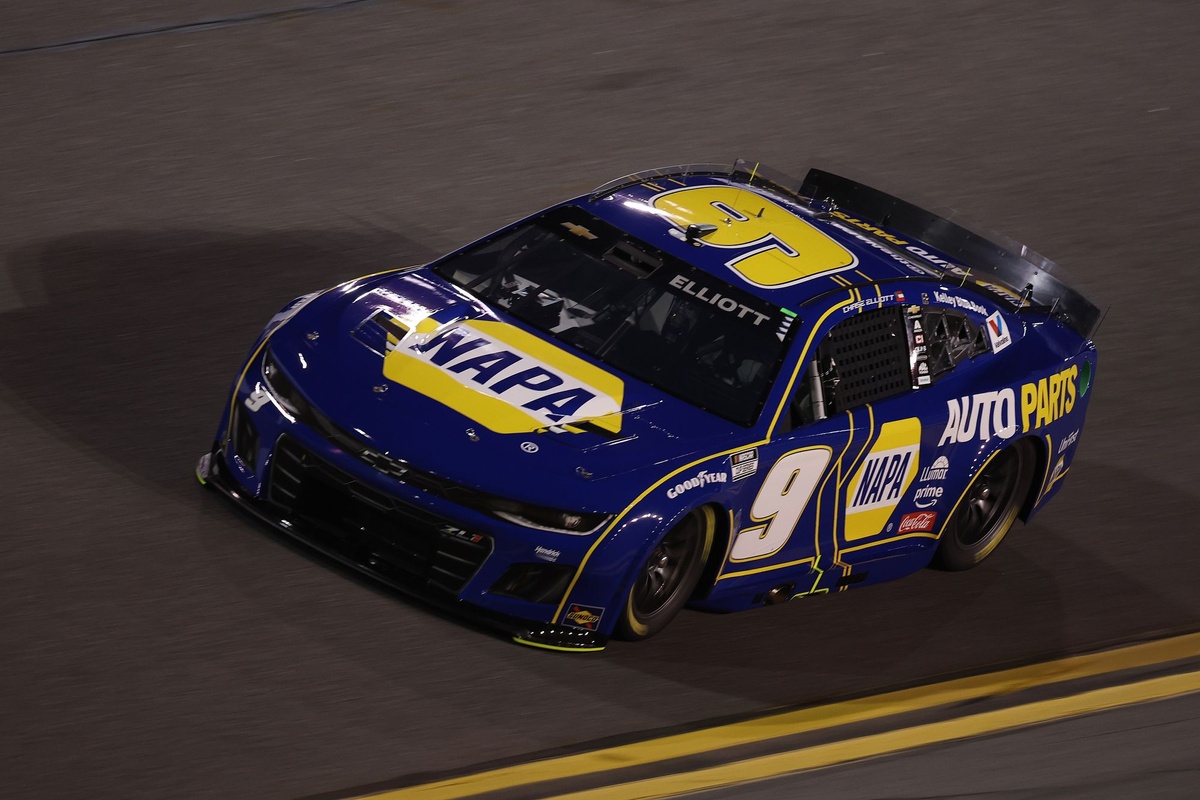
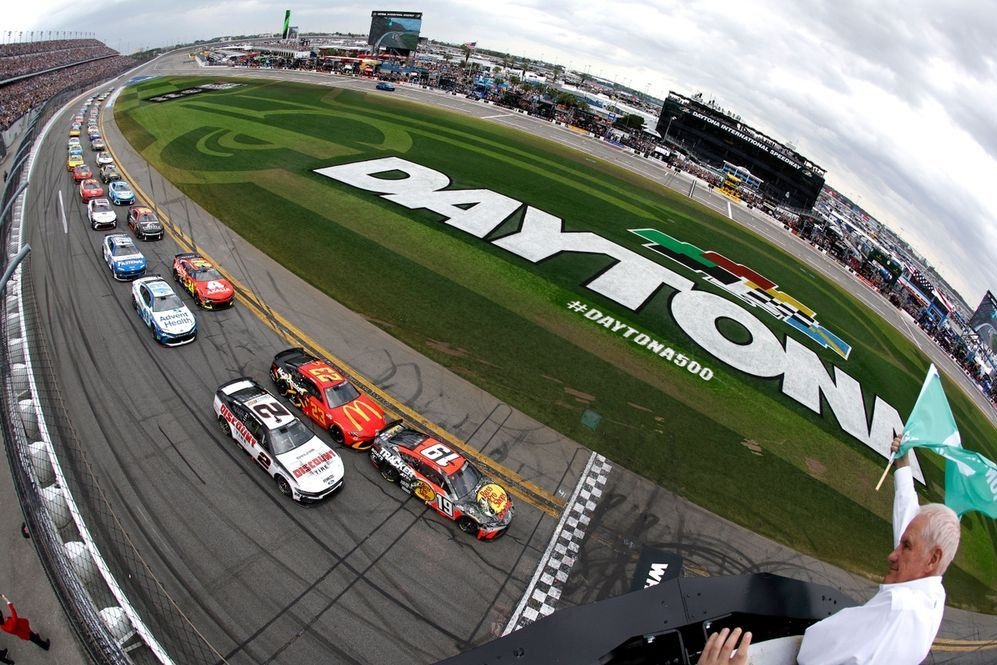

The green flag drops at the Daytona 500, but a significant portion of the race isn't about outright speed – it's about a frustrating dance with the fuel gauge. Every year, the spectacle of drivers backing off, coasting, and meticulously managing their fuel load draws the ire of a dedicated segment of the NASCAR fanbase. For many, the "Great American Race" should be a relentless sprint, not a strategic economy run.
The Daytona 500's Stealth Strategy: Why Speed Takes a Backseat
Imagine the biggest race of the year, and your favorite driver isn't always flat-out. That's the reality of superspeedway racing at venues like Daytona International Speedway. From the moment the Daytona 500 kicks off, teams shift into a calculated fuel conservation mode. This isn't about being slow; it's about being smart, albeit controversially.
The core reason is simple: using less fuel means needing less fuel. Less fuel to take on translates to shorter times spent on pit road. In the razor-thin margins of modern NASCAR, where the competition package on the Next Gen car is incredibly tight, every fraction of a second gained or lost on pit road can determine who leads the pack or who falls behind. Securing optimal track position exiting the pits, especially before stage breaks and at the finish, is paramount.
Unpacking the Fuel Frenzy: Why Fans Are Fuming
This fuel-saving ballet, while strategically sound for teams, often leaves fans feeling shortchanged. They crave the raw, high-octane spectacle they associate with NASCAR superspeedways. The sight of cars running at half-throttle for extended periods goes against the very ethos of high-speed racing for some. Calls for changes—from larger fuel cells to tweaks in stage break procedures—are a perennial fixture in the offseason discussions.
Despite the ongoing dialogue, NASCAR has not implemented any significant rule adjustments to address the fuel conservation phenomenon. The governing body has acknowledged the fan narrative but remains cautious about altering a fundamental aspect of the sport's strategy.
NASCAR's Competition Chief Weighs In: "What Are We Trying to Fix?"
Elton Sawyer, NASCAR's Senior Vice President of Competition, recently spoke about the issue. During a media briefing, he highlighted the internal debate within NASCAR leadership. While acknowledging fan sentiment, Sawyer and his team grapple with the core question: what exactly are they trying to "fix"?
Sawyer points out that from their perspective in the tower, the racing often looks thrilling, with cars running five and six wide, and fans cheering. The speed isn't always apparent, but the competition is. He argues that any change they might implement risks disrupting other aspects of the racing without necessarily solving the perceived "problem" of fuel saving.
The Endless Pursuit of Pit Road Edge
NASCAR's leadership contends that the incentive for fuel conservation is deeply embedded in the sport's strategic fabric. No matter how the rules are tweaked, teams will always seek to minimize their time on pit road. If a larger fuel cell is introduced, teams will simply conserve less fuel but still conserve some to ensure the quickest possible stop. The fundamental dynamic of needing to pit and the advantage gained by minimizing that time will persist.
Sawyer emphasized that this isn't a dismissal of fan feedback. He referenced the past willingness of NASCAR to make significant changes, such as the introduction of the "Chase for the Championship" format, as proof of their responsiveness. However, he draws a parallel to other major racing events, like the Indy 500, where immediate fuel conservation is also a standard practice. For NASCAR, the current approach at Daytona might simply be an inherent part of the strategic chess match, one they don't see as fundamentally broken.